Grand Canyon Rafting Vacations
 

Common Rafting Questions


Choosing Your Adventure

What is a typical day on the river like?
When is the best time to go?
What kind of physical condition do I need to be in?
What about water levels?
What can we expect in weather?
What about camping?
What about toilet facilities on the river?
What do I do about feminine hygiene?
Are there bugs and snakes?
Does Western provide beverages?
Should I bring my camera?
What should I bring?

Individual Trip Questions
Westwater | Green River | Cataract | Grand 6-Day | Grand 4-Day | Grand 3-Day
Green River Saddles & Paddles| Westwater MultiSport | Cataract & Sorrel River Ranch


Printable PDF Acknowledgement of Risk Form

 Acknowledgement of Risk


General Information and Reservation Policies


Q. Choosing Your Adventure
A. We want to make sure that the vacation package you select is an adventure of a lifetime. Rest assured, we will make every possible effort to ensure your comfort and safety while traveling with us. We have over a forty year history satisfied guests, and we are excited to have you join their ranks.


During the pre-trip planning process, we often receive a number of questions related to choosing which trip is best for you, the nature of a river trip, what to expect during the trip, and what degree of physical conditioning is required for a river trip. While we have found that we can accommodate a wide range of abilities on all of our rafting trips, the better prepared you are, the more you will enjoy yourself.

back to top 

Q. What is a typical day on the river like?
A.After meeting your guides you will be given a trip orientation that will include how and where you can sit on the rafts, how to hold on, and safety precautions while on the river.

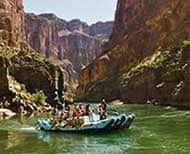
A typical day will include rafting for a few hours at a time, stopping for scenic side-canyon hikes, bathroom breaks, lunch and possible swimming opportunities. Visiting with new-found friends and learning river lore and geology from our well-trained guides adds to the enjoyment of each day.

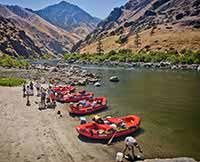
After a full day of learning and fun we arrive in camp. Guests will be allowed to find their favorite campsite and then return to the rafts for the famous “fireline” - the way we load and unload rafts. Your help in passing the gear off the boat is greatly appreciated, however if you have physical restrictions or limitations that would prohibit you from participating you are not required to help.

The first evening in camp, the guides will give a demonstration on how to easily assemble the cots and tents and will be available to help you if you need additional assistance. Western River provides cots, tents, sleeping bags, sheets, camp chair and water-proof gear bags for all guests. You’ll have no need to worry about bringing any of your own camping equipment.

While you relax at the river’s edge, your guides will prepare dinner. Every night is different, but the menu may include items such as grilled chicken breast, steak with sautéed onions, pasta or fresh fish.

At night, whether you choose to sleep in your tent or under the vast canopy of stars, the fresh night air and the rhythm of the river will lull you to sleep.

Each morning, your guides will prepare a delicious breakfast. You’ll have a chance to enjoy eating before returning to your campsite to take down your tent and cot and pack up your belongings in your dry bag. After bringing your bag down to the boats, guests participate in the fireline once again and you are off on another fun-filled day of adventure.

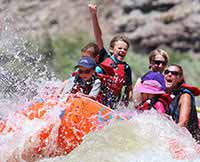
While a river trip is a participatory experience, the rewards are endless. The setting and pace of a rafting adventure gives you something you don’t find in other vacations. On a Western River Expedition, you will quickly discover why so many are calling this “the best vacation of their lives.” It’s the combination of drifting over tranquil pools of water under the shadows of towering rock formations, the exhilaration and thrill of rolling waves and crashing whitewater, the exploration of seldom-seen waterfalls and Native American history, the peaceful moments of reflection as you gaze up at the star-studded sky, and the fresh feeling of renewal as the morning sun slowly filters through winding canyons. All this provides an indescribable sense of belonging. A sense of oneness with yourself and those around you. A sense of adventure, reflection and renewal. Come discover the difference.

Q. When is the best time to go?

A. All times are exciting. In the spring and early summer the water is generally higher and faster and you'll see wonderful wildflowers. The weather can definitely be cooler. In summer, the days are warmer and weather is more predictable. In late summer/early fall, there is a good chance of seeing wildlife and autumn color.
back to top

Q. What kind of physical condition do I need to be in to take a river trip?
A. Our primary concern is participant safety. The nature of an outdoor adventure involves some physical exertion and also possible exposure to weather conditions that can fluctuate greatly due to heat, sun, wind, or rain. Although we do have experience accommodating persons with a wide range of physical challenges, disabilities, or medical and health conditions, we have found that in some people the fact of age, weight, lack of conditioning, heart or other disease, can create additional hardship that diminishes the suitability or enjoyment of this type of vacation. Please consider these conditions in making your choice of river adventures. Please check with your physician prior to your trip if you have any medical or health condition or if you are taking any medications, and then notify us of how we can better help you with these conditions. In general, participants will need to meet the following physical requirements:
  • Fit into a Class 5 Life Jacket (maximum chest size 52”) required by the National Park Service.
  • Securely grip ropes provided for handholds while running the rapids
  • Climb on and off the rafts. Depending on type of raft this could be as much as a 2-3-foot reach and often on wet and slippery surfaces.
  • Ability to navigate uneven terrain on hikes and in camp.
  • Carry your own dry bag which will include your 20-pound duffle bag along with the sleeping bag and ground cover we provide.

Our primary concern is for you and your fellow guests to have an enjoyable and fulfilling experience. If you are concerned about any of these requirements, please call our friendly staff to further discuss which trip is right for you. Our Acknowledgement of Risk Form will more fully describe some of the inherent risks involved in these activities. We look forward to having you join us on the adventure of a lifetime.

back to top   
Q. What about water levels?
A. Rivers run higher during the spring run-off and settle down toward the end of the summer (except for the Colorado through the Grand Canyon where its flow is regulated by Glen Canyon Dam). Western matches rafts to water levels to maximize excitement and safety.
back to top   
Q. What can we expect in weather?
A. Everything. For comfort on the river, you'll want to be prepared for all kinds of weather. In the river ecosystems, weather can fluctuate from lows in the 40s to highs around 105 degrees. Spring and fall day-time temperatures usually range between 70 and 85 degrees, with June through August hitting peak hot weather. Wind and rain are common, but generally storms pass quickly. Storms can appear and disappear in no time, so even in summer, a rain suit is essential on the river. We highly recommend the two-piece rainsuit found in our online store.
back to top 
Q. What about camping?
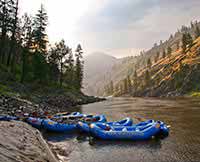
A. In keeping with Western's reputation for providing the most deluxe trips on the river, top-flight camping gear is provided on all trips. High quality equipment includes a sleeping bag, comfortable folding cot, ground cloth, tent, eating utensils, dry bag and personal storage box. Our camps are set on sandy beaches along the rivers where guests roll out their sleeping bags on cots, pitch tents if they wish, or sleep under the stars. Since getting back to nature is part of the attraction of river trips, we are guided by the motto "Take only pictures, leave only footprints," so we make every effort to keep the land pristine. See diagram of camping gear »
back to top
Q. What about toilet facilities on the river?

A. You're not alone in wondering about toilet facilities. Many of our guests are reluctant because of modesty or uncertainty. Often it helps to remember that everyone on the trip shares this issue, so you're in good company. But perhaps a few facts will "relieve" your concerns. Western uses a "porta-potty" system that is set up each day in a secluded location that assures privacy. This is essentially a toilet without the fancy plumbing and is available from the time you pull into camp each afternoon until you leave camp the next day. Along with the toilet, a system to wash your hands with fresh water will be available.

During the day, liquid waste goes in the river by simply wading into the water. For solid waste, our guides will make a day-use toilet available. If you have any other questions or concerns, please call our friendly reservation staff - you're not alone.
back to top

Q. What do I do about feminine hygiene?
A. If you're concerned about your menstrual period, come prepared for it. We recommend that you bring some sandwich size zip-lock bags. They are very useful for disposal during the day while you are hiking or on the river and can be disposed of in trash containers at camp. (Hint for tampon users: "o.b." brand are 1/3 the size of regular tampons, tuck discreetly into pockets and have less paper wrapping.) Together with our toilet facility, Western will have additional tampons and pads available.
back to top
Q. Are there bugs and snakes?
A. In most years, insects are of little concern on the river, but a little bug repellant is a good idea. We seldom see snakes on our trips because they generally stay away from campsites... they don't like us any better than we like them.
back to top 
Q. Does Western provide beverages?
A. Water and lemonade are available in unlimited supply at all times, and juice, coffee and tea are served with breakfast. If you enjoy soda pop, liquor or beer, bring them with you. On trips under 4 days, each guest can bring a half case of pop or beer. On longer trips, up to a case per person is the guideline. Liquor or wine should be carried in plastic bottles.
back to top  
Q. What should I bring?

Sample Clothing Check List (Please see the "Packing List" page for your selected trip)

  • Two-piece rain suit - a must for protection against the cold river water
  • 2 pair quick-drying shorts
  • 2 swimsuits (women may find a 2-piece suit or sports bra & jogging shorts convenient)
  • 1 pair long pants (nylon or cotton/polyester for quick drying)
  • Shirts (at least one long-sleeved shirt for sun protection)
  • Lightweight cotton pants or shorts & shirt for camp
  • Socks, some underwear (you'll probably be wearing swimsuit under shorts primarily)
  • Tennis shoes that can get wet for hiking. Water sandals may be worn, but may not give   enough support for the hikes. Be sure your shoes are broken in and that you bring socks.
  • Fleece jacket for camp or to wear under rain suit in cooler weather
  • Sun hat with string tied on to attach to shirt
  • Neoprene gloves to grip the ropes

** SPRING AND FALL TRIPS - cold water neoprene gloves & footwear, stocking cap,
fleece &/or polypropylene for warmth to wear under rain suit or in camp

Personal Check List

  • Plenty of sunscreen lotion (a must)
  • Sunscreen lip balm
  • Body lotion such as Vaseline Intensive Care
  • Biodegradable soap and shampoo in small bottles
  • Sport water bottle for hikes (also handy in camp) on a small fanny-pack.
  • Small towel and washcloth or a nylon net scrubbie works great for washing
  • Disposable moist towelettes
  • Toothbrush & toothpaste
  • Small pack of Kleenex
  • Flashlight & extra batteries (headlamps work best)
  • Insect repellant (small container)
  • Sunglasses with safety strap
  • Camera in a padded case and plenty of film
  • (disposable and waterproof cameras work very well)
  • Small pillow
  • Feminine hygiene products (optional)
  • Shaving kit (optional)
  • Money (You'll want to keep some cash with you for gratuities for your guides - generally 8 - 10% of trip cost)
  • Pen and paper or small notebook/ marker to mark drinks
  • A few clothespins and small piece of rope for drying clothes
  • 1 small carabiner for hooking on cup or fanny pack (optional)
  • back to top

Q: Where can I purchase books and maps to learn more about the area where I will travel?
A: Our online store contains several excellent recommendations for guidebooks, maps and travel information throughout the Southwest.
Q. Should I bring my camera or video camera?
A. Absolutely. Everywhere you look, you'll find something unusual and worth photographing. But remember, river trips are wet, so there is a distinct possibility you'll get splashed just as you're ready to focus. Ziplock bags for cameras keep sand and water from being a problem, and you can store your camera away in an personal storage box when you want. Don't forget film and batteries, because there aren't any photo stores on the river. You also might want to tuck in a polarizing filter for your 35mm camera.
Video cameras are harder to protect and transport, but compact models are showing up on more and more trips. Just figure out some way of protecting your equipment from the inevitable water surprise.
back to top