River Camping Made Easy
★★★★★ 4.9 OUT OF 2841 REVIEWS
River camping means spending your nights beside the water on a multi-day rafting trip, sleeping on a sandy beach or quiet riverbank deep in a canyon no road can reach. The gear is provided, and the guides do the cooking, so a night in camp is a relaxing bed under the stars, not a test of endurance. Western River Expeditions trips run April through September and range from one to six nights on the water.
What Camping on the River Is Really Like
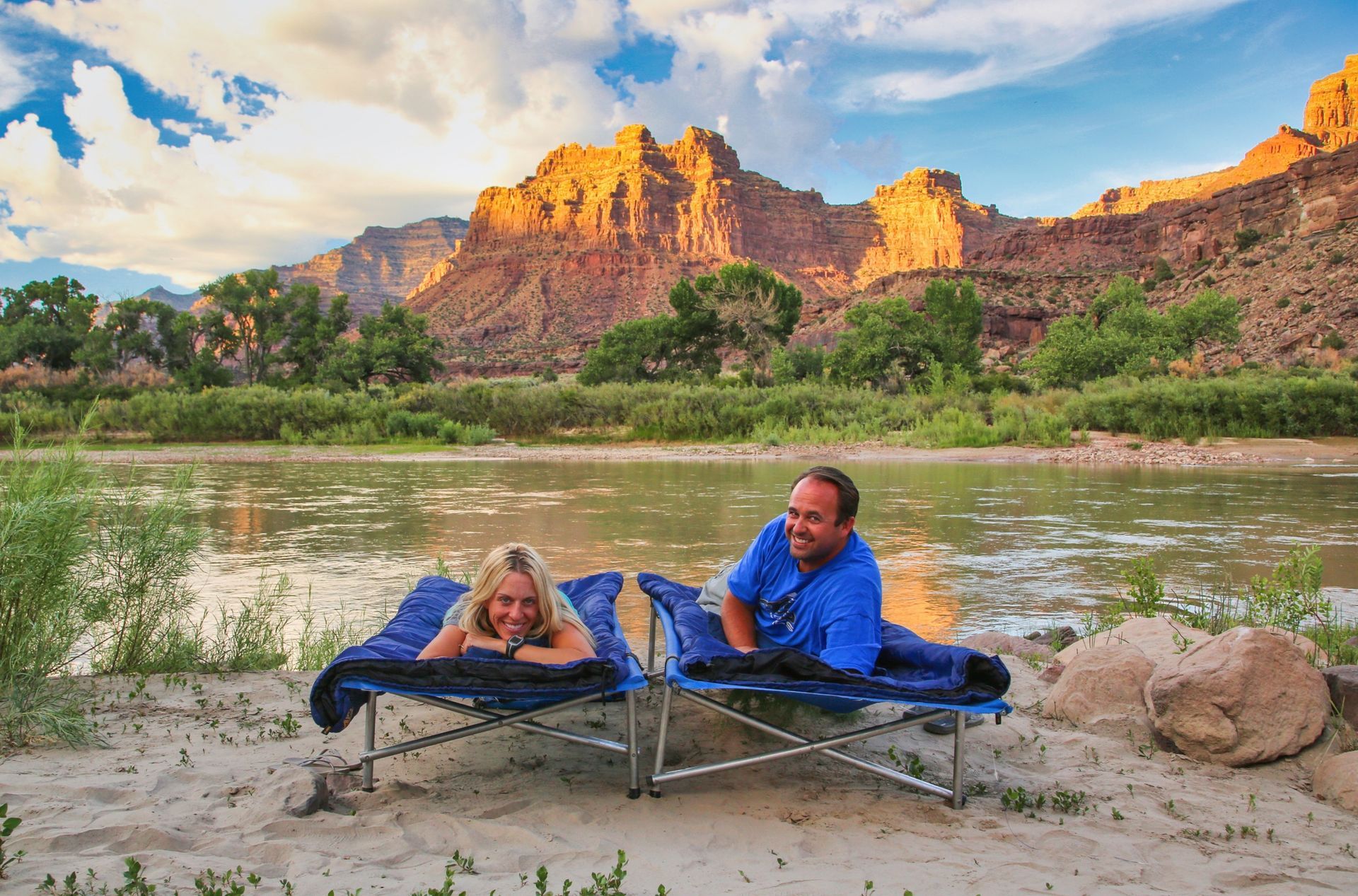
Most afternoons, the boats pull into camp while the canyon walls are still catching the light. Your guides select the campsite and organize an efficient unloading process. Everyone helps pass gear from the boats, then carries their personal bags and sleeping equipment to the spot they choose for the night.
Setting up a cot or tent is simple, and your guides explain the process. Meanwhile, the kitchen and bathroom areas take shape and dinner preparation begins. Before long, there is nothing left to do but relax. You can change into dry clothes, settle into a camp chair, talk with the people you have spent the day with, or simply watch the evening light move across the canyon.
When darkness arrives, you can sleep inside your tent or place your cot beneath a sky largely untouched by artificial light. For many guests, the part of the trip they were most uncertain about becomes one of the hardest parts to leave behind.
To picture the full rhythm, see what a
typical day on the river looks like.
What's Provided, and What You Bring
All major camping equipment is included. There is no need to purchase or rent a tent, sleeping bag, cot, chair, or specialty luggage before your trip. You'll simply show up with a duffle bag, and Western will take care of the rest.
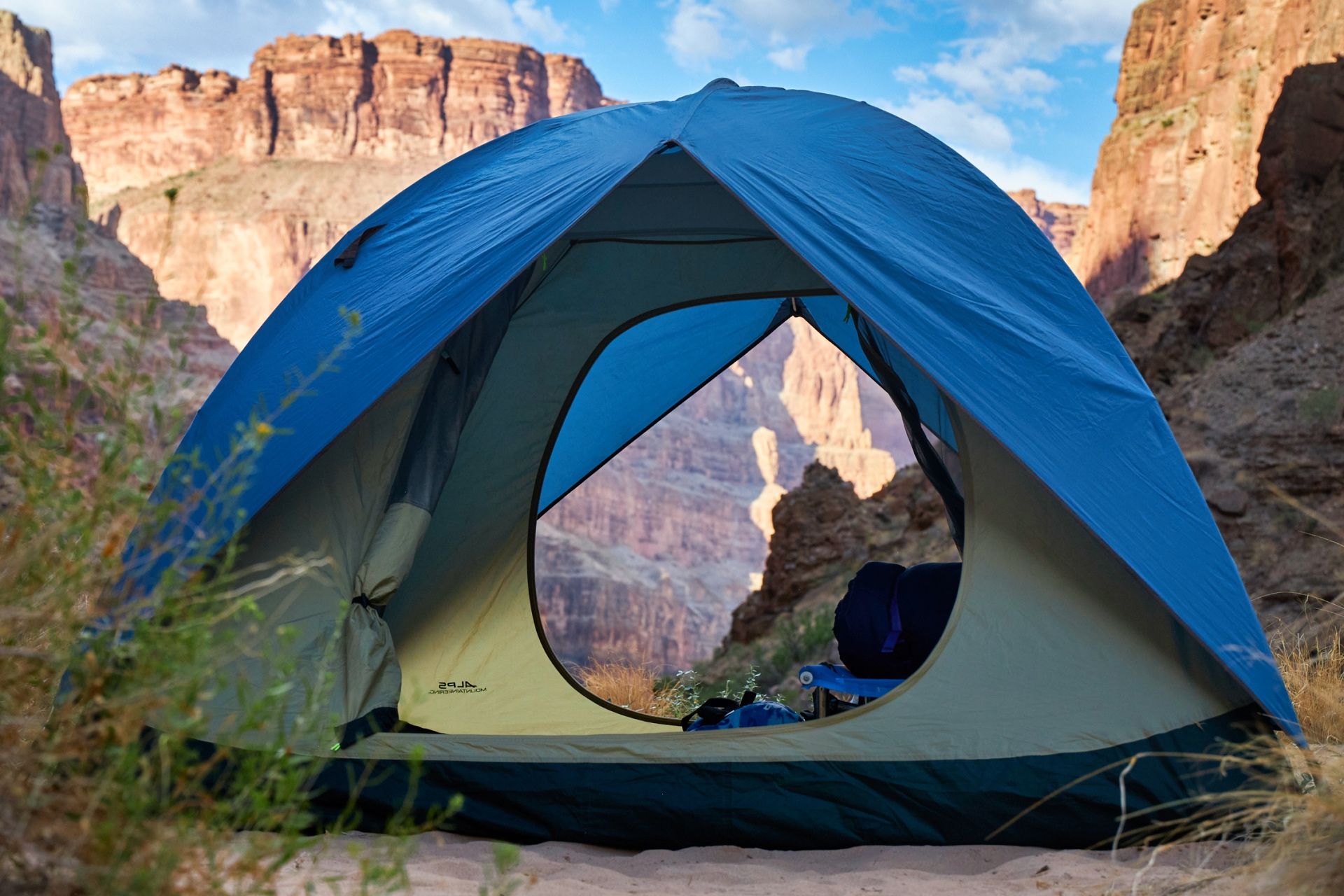
Tent
Roomy, easy to set up, and available when you prefer privacy or protection from changing weather.

Sleeping Bag & Sheet
Freshly laundered sheets and a warm sleeping bag for cooler canyon evenings.

Cot or sleeping pad
A raised cot on most trips, or a comfortable sleeping pad on select itineraries.

Camp Chair
A comfortable seat for relaxing, eating, and watching the canyon change color.
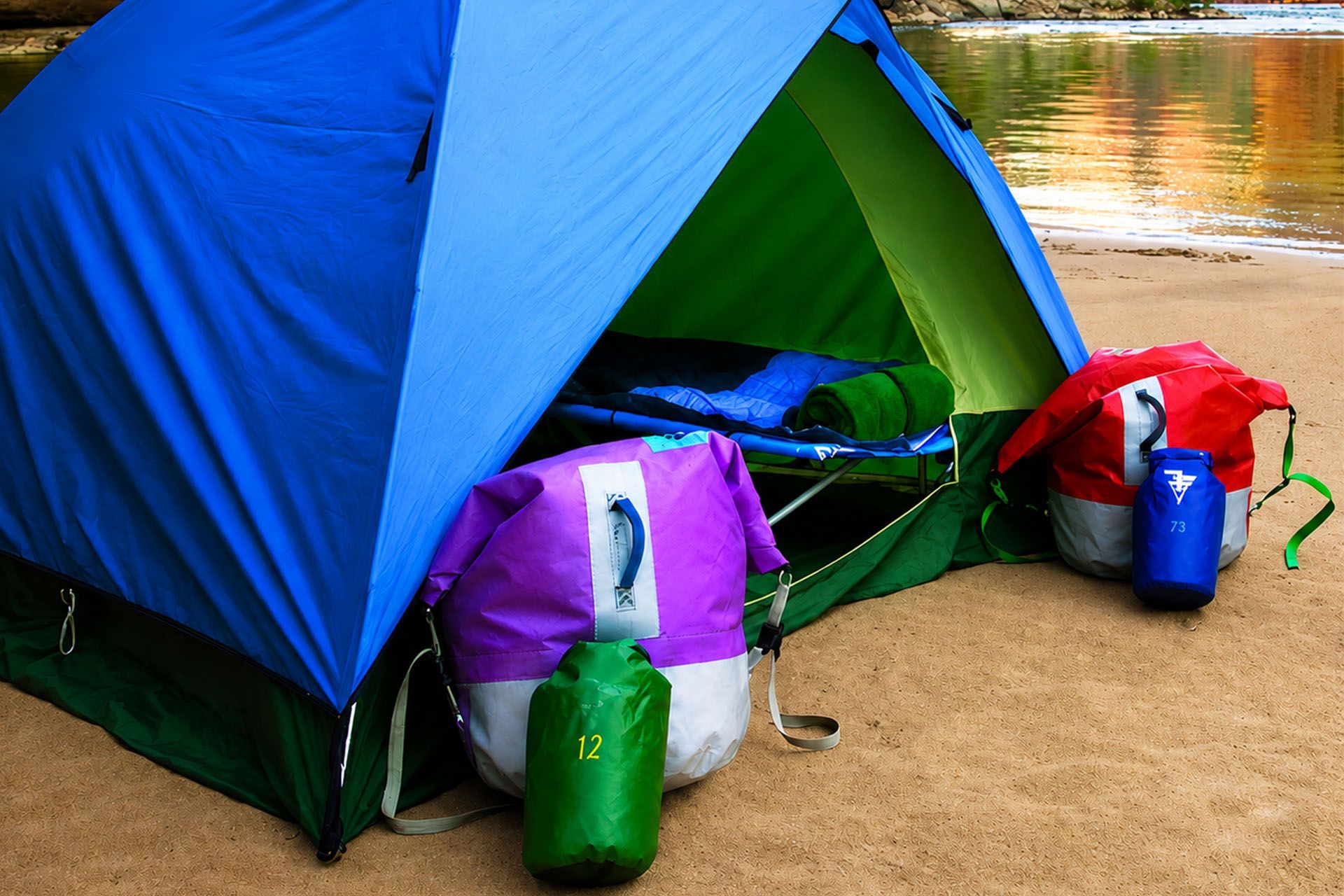
Water-resistant bag
Protects your clothing and overnight belongings while they travel on the river.
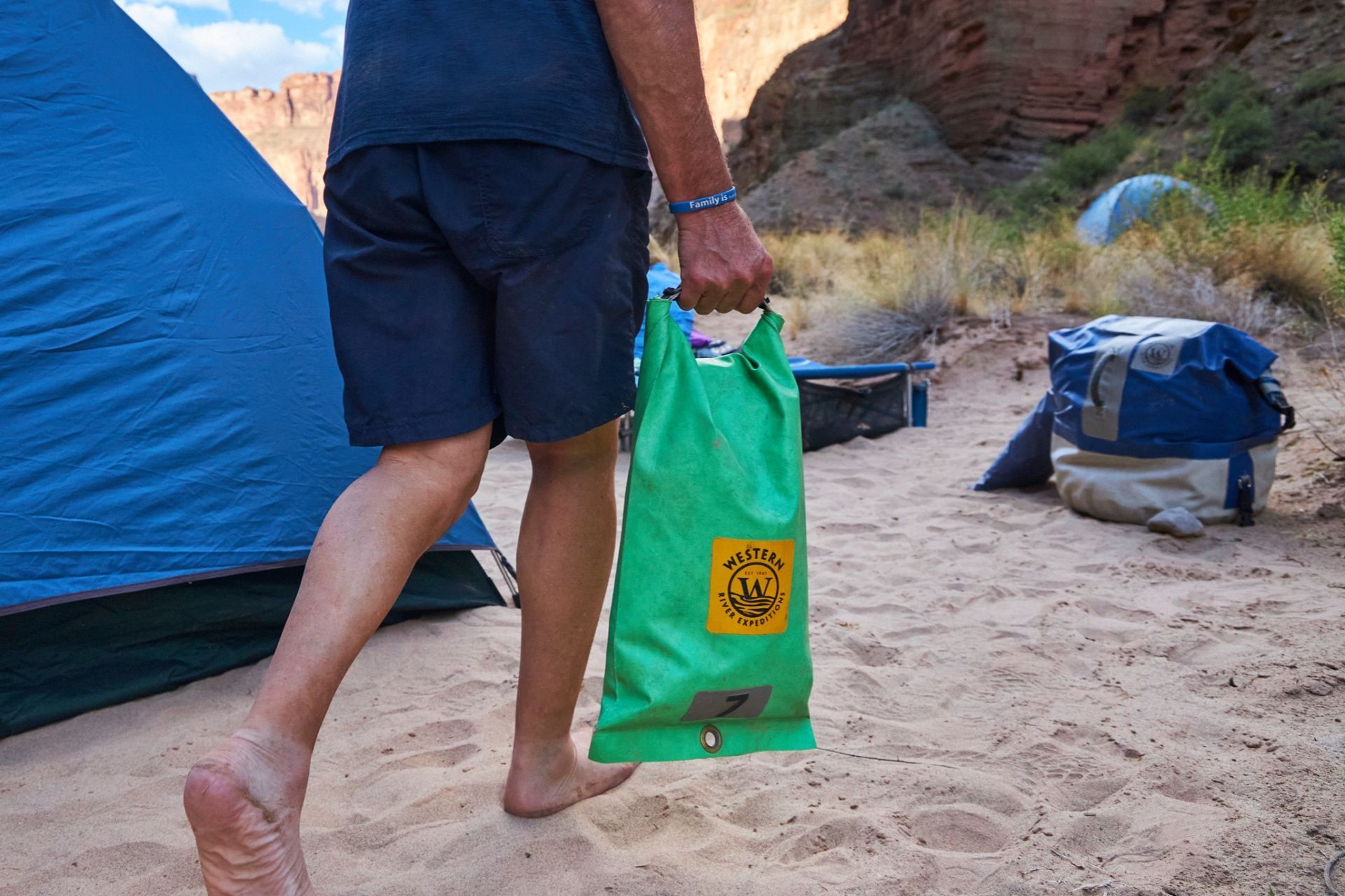
Personal day-use bag
Keeps sunscreen, medication, an extra layer, and other small essentials within reach.

All meals
Breakfast, lunch, and dinner are prepared by your guides every day. Snacks are also provided.

Water & Lemonade
Fresh drinking water and lemonade are provided throughout the trip. Guests may also bring their own drinks.
What You Bring
You'll pack your personal items in a soft duffle bag: clothing, footwear, toiletries, medications, and personal items included on your trip-specific packing list. Western’s preparation materials explain what works on the river and what is better left at home.
How the Bathroom Works
Each afternoon when you reach camp, your guides set up a portable toilet in a secluded location away from the main camp area. It provides a stable seat and appropriate privacy, without traditional plumbing. A fresh-water handwashing station is placed nearby. It's the first thing set up in camp, and it's the last thing to be taken down.
Your guides explain the procedures at the beginning of the trip, including how bathroom use works during the day and in camp. These routines may feel unfamiliar at first, but most guests are surprised by how quickly they become ordinary.
There are no traditional showers at river camps. Guests generally freshen up in or beside the river according to the procedures and environmental guidelines explained by their guides. Your packing information will also recommend appropriate personal hygiene items.
Eating Well in Camp
One of the most consistent surprises for first-time guests is the food.
Guides transport fresh ingredients into the canyon and prepare complete meals at the river’s edge. Menus vary by trip, but this is not a steady diet of hot dogs, packaged meals, and granola bars. Think blueberry pancakes with sausage and eggs, deli sandwiches, and steak with sautéed mushrooms and onions.

Breakfast
Steaming coffee against the cool morning sand, then plates of flapjacks, fresh fruit, and scrambled eggs to start the day. Hot and unhurried.

Lunch
A riverside spread of fresh meats and cheeses, breads, crisp vegetables, and spreads, with chicken or veggie wraps and salads to answer a canyon-sized appetite.
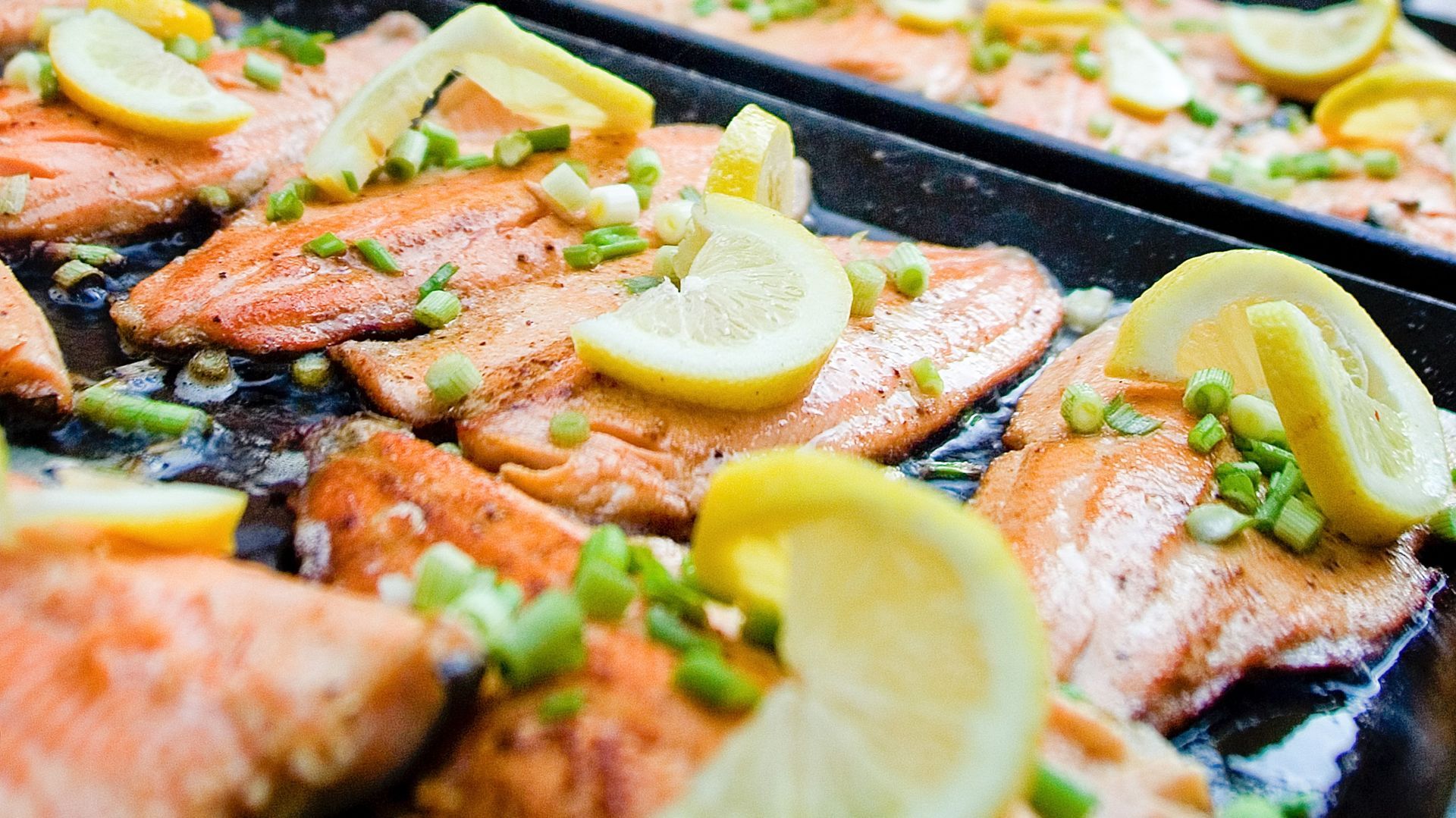
Dinner
Appetizers at the water's edge while the guides cook: grilled chicken, tender steaks, pasta, or fresh fish with salad and sides, finished with a Dutch-oven cake.
Dietary needs should be discussed with Western before departure so the team can explain what can be accommodated on your particular trip. Most allergies and food sensitivities can be easily accommodated due to the wide range of options available at every meal.
Meals are part of the rhythm of each day on the river. See how they fit into a
typical day on the water.
Where You'll Camp
There are no established campgrounds waiting along the river as you would expect to see in other locations. Just quiet areas with no one else in sight for miles. Each afternoon, your guides select an appropriate campsite for that night. It may be a broad sandy beach, a smaller riverbank, or another natural clearing shaped by the canyon and current river conditions. Some sites are wide and open. Others may have more uneven ground, vegetation, rocks, or sand. That variety is part of traveling through a landscape rather than visiting a developed campground. Wherever you stop, you will be spending the night somewhere most people never reach, a place without roads, parking lots, generators, or neighboring campsites just beyond the trees.
Ready to see the canyons for yourself?
Explore all our whitewater rafting trips.
New to Camping? You're in Good Company
Many Western guests arrive with little or no camping experience. Some are enthusiastic about the river but privately wondering whether nights outdoors will be the part they merely tolerate. These are usually their biggest questions.
“I'm not really outdoorsy.”
You do not need years of outdoor experience. The gear is provided, the routine is explained, and your guides know which details first-time campers are likely to wonder about.
“I've never camped before.”
You do not need any camping experience, and there is very little to figure out in advance. As one guest put it, “you never realized you were roughing it.”
“Will I actually sleep?”
Your cot or sleeping pad, sheets, sleeping bag, and tent are provided. Many guests find the sound of the river remarkably restful, although sleeping outdoors can require a little adjustment the first night.
“Is it too rugged for my kids or my parents?”
River camping suits a wide range of ages, and several trips welcome children as young as five. Grandparents, parents, and kids share the same camp comfortably.
From Someone Who Wasn’t a Camper
“I am not a ‘camper’ and do not enjoy camping by any stretch of the imagination. Yet this was the best outdoor experience of my life.”
—Dean M. | Western River guest
Trips That Include River Camping
Camping is part of nearly every multi-day Western River expedition. Choose the experience based on how many nights you would like to spend outdoors, the ages and abilities of your group, and the kind of river journey you want.

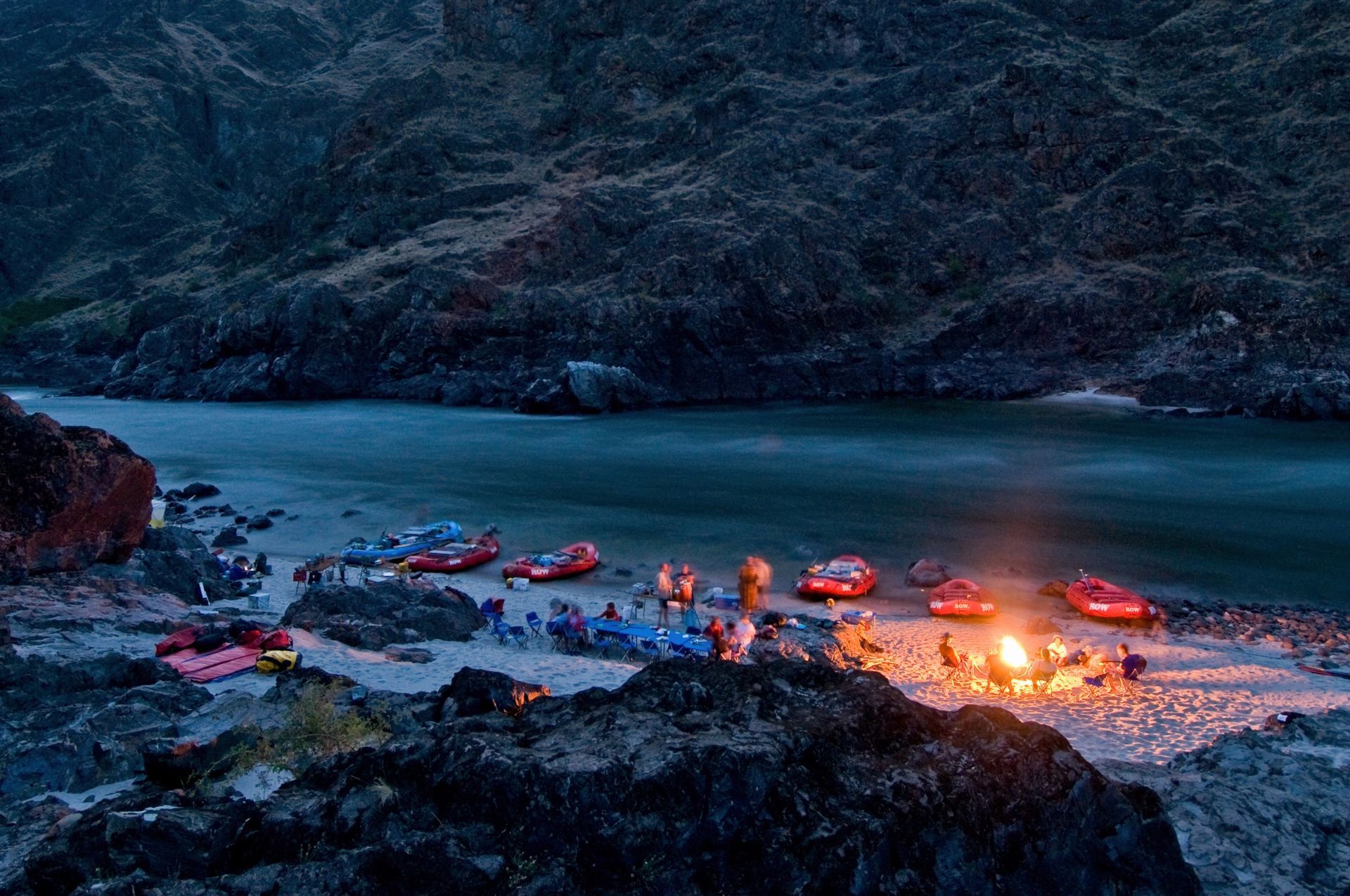
Two to six nights on the canyon floor. Sleep beside the Colorado River beneath some of the most dramatic canyon walls and darkest night skies in the West..
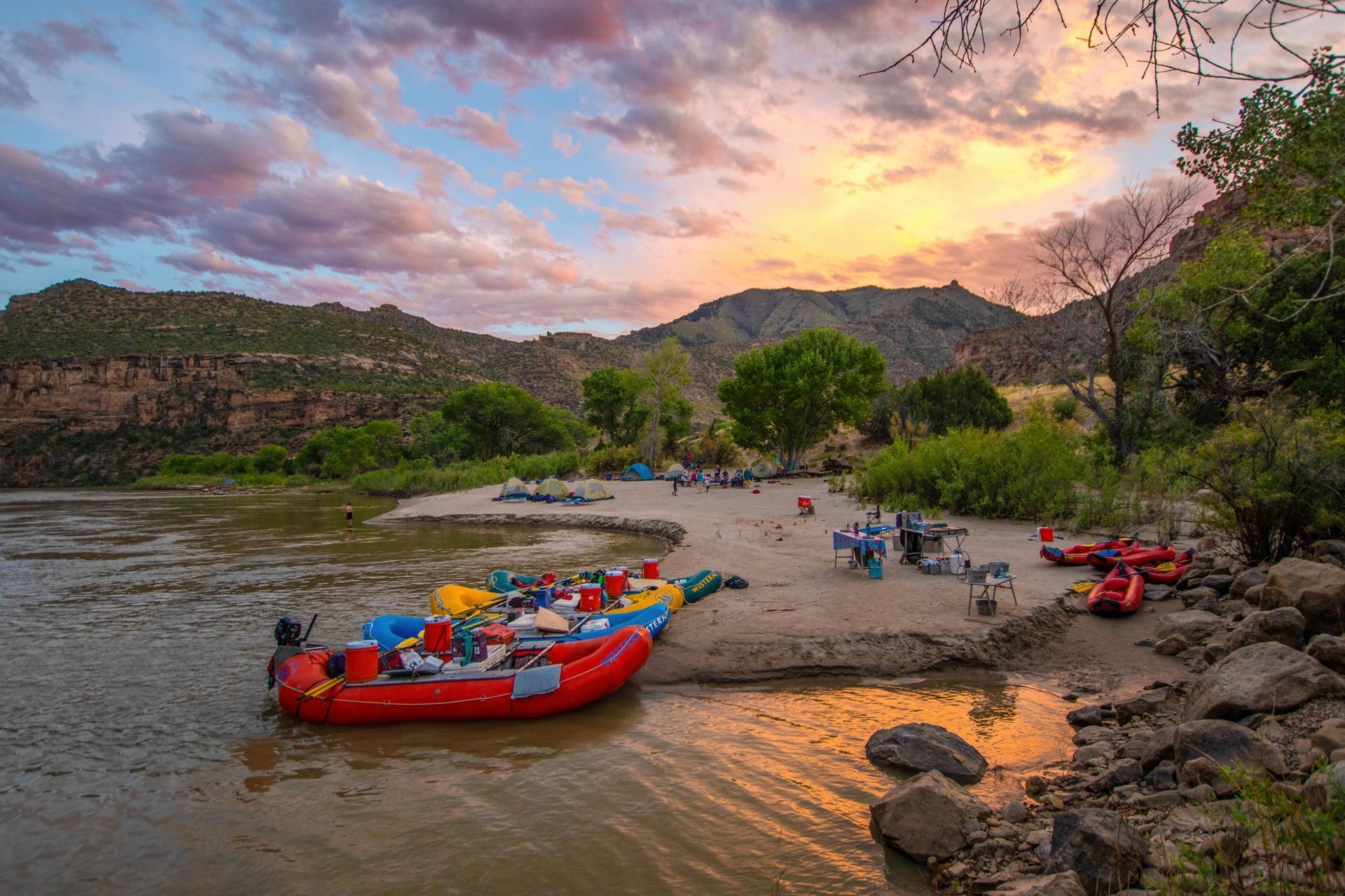
Four nights on wide sandy beaches. Wide sandy camps, approachable whitewater, and a pace particularly well suited to families and first-time river travelers.
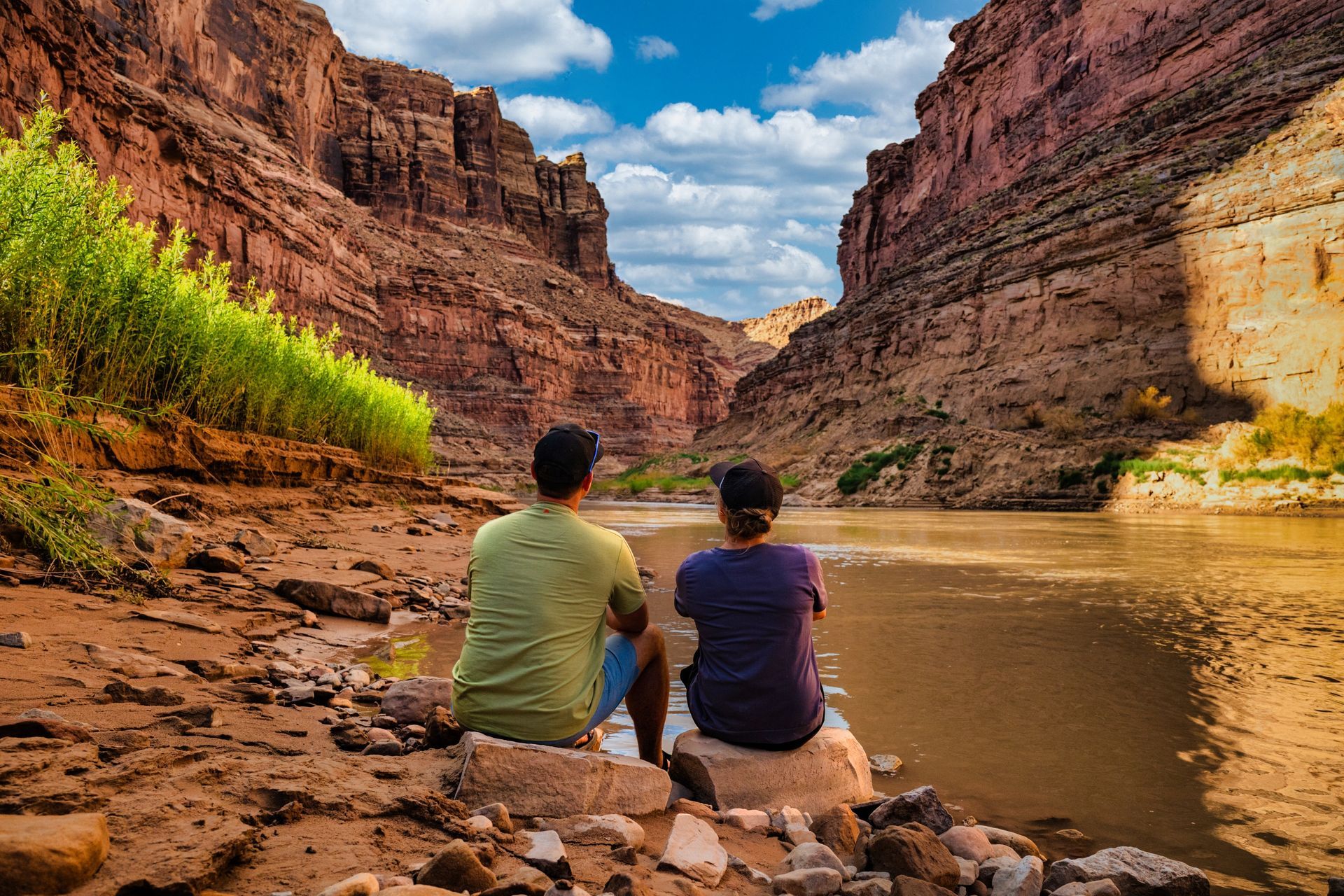
One to three riverside nights. Camp deep within the canyons surrounding Canyonlands National Park before reaching the whitewater of Cataract Canyon.
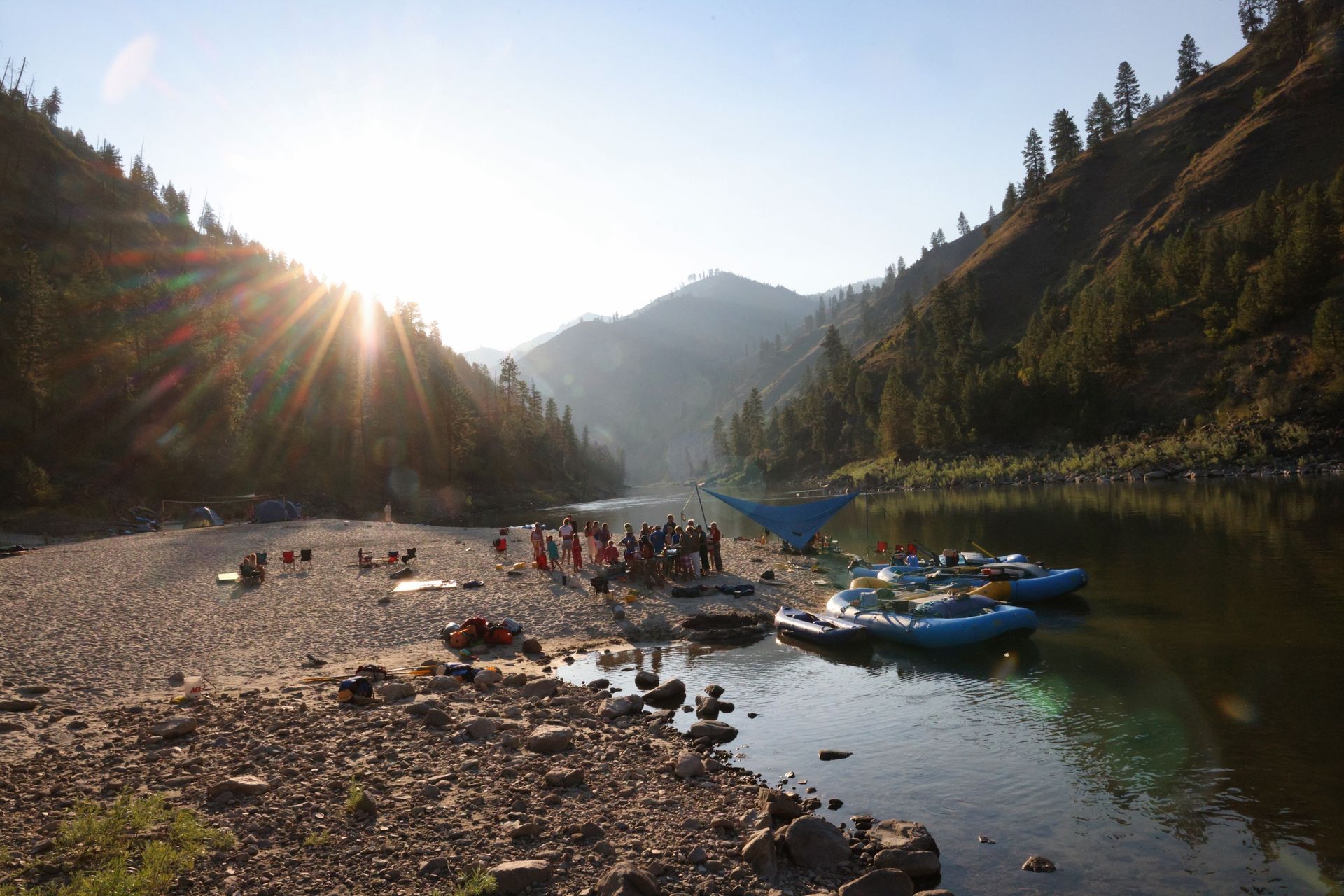
Classic river camping, warm-water swimming, varied scenery, and inviting riverside camps across several Idaho itineraries.
Not Ready for Several Nights of Camping?
You do not have to start with a week in the wilderness. Western offers a couple of ways to experience a multi-day river trip while keeping the overnight commitment well within your comfort zone.

Try It for One Night: Southwest Sampler
The 4-Day Southwest Sampler in Moab is one of the easiest ways to find out how you feel about river camping. Spend your first two nights at the SpringHill Suites by Marriott, explore Arches National Park, take a sunset Hummer adventure, and then head onto the Colorado River for a 2-day rafting trip with just one night of camping beside the river.
It is enough time to sleep under the stars, experience a riverside dinner and morning in camp, and discover whether you might be ready for a longer river expedition next time.

Prefer a Bed at Night? Try the Rogue River
If camping simply is not part of the vacation you have in mind, the Rogue River Lodge-to-Lodge Adventure in Oregon offers another option.
You still spend your days rafting through a remote Wild & Scenic river corridor, but instead of setting up camp each evening, you arrive at a riverside lodge with a private bedroom, bathroom, shower, and dinner prepared by the lodge staff.
It is a true multi-day river journey, with a bed waiting at the end of each day.
Riverside Camps. Unforgettable Evenings.
By the time the sun slips behind the canyon rim, camp begins to take shape in one of the most remarkable settings on earth. There are no crowded campgrounds, no RV generators, and no rush to be anywhere else. Just a quiet stretch of sandy beach, towering canyon walls glowing in the evening light, and a river that seems to slow down long enough for you to catch your breath.
While guides prepare dinner, guests settle into the rhythm of canyon life. Some wander the shoreline, camera in hand. Others sink into a camp chair with a cold drink and watch the colors change on the cliffs above. Conversations come easily here. Without cell service, notifications, or daily schedules competing for attention, people reconnect with family, friends, and often with parts of themselves they haven't heard from in a while.
Then comes dinner.
One of the biggest surprises for first-time guests is how well they eat on the river. Dutch oven specialties, grilled meats, fresh salads, vegetables, desserts, and hearty breakfasts have become a hallmark of Western River Expeditions.
Meals are served buffet-style, often beneath open skies painted with sunset colors. The setting somehow makes everything taste better. Stories from the day mix with anticipation for tomorrow's rapids, hikes, and discoveries.
As darkness settles over the canyon, a different kind of show begins. Far from city lights, the night sky reveals itself in astonishing detail. Thousands of stars emerge overhead. Satellites drift silently across the darkness. On moonless nights, the Milky Way stretches from horizon to horizon like a river of its own.
When it's time to turn in, your campsite is simple, comfortable, and unforgettable. Many guests choose to sleep beneath the stars on a cot, watching constellations slowly wheel overhead before drifting off to sleep. Others prefer the privacy of a tent. Either way, you'll fall asleep to the gentle sound of the river nearby.
By morning, the smell of fresh coffee and breakfast fills the air. Another day of adventure awaits, but for many guests, these quiet moments in camp become some of the most cherished memories of the entire journey.
Your Camp Is Waiting
The hardest night of river camping is the one you imagine before you go. Once you're settled in beside the river and the stars come out, most people wonder why they waited. When you're ready, explore Western River's rafting trips and find the nights on the river that fit you.
Questions first? Call (801) 459-3525 and talk to someone who has been there.
Adventure with confidence
Frequently Asked Questions
Do I need to bring my own camping gear?
No. Your tent, sleeping bag and sheets, a cot or sleeping pad, a camp chair, and water-resistant bags are all provided and included in the trip price. You bring a duffel of personal clothing and toiletries, and our What to Wear on the River guide covers exactly what that means for your season.
Where do you sleep on a river camping trip?
You sleep at a riverside camp that changes each night, often on a sandy beach and always somewhere your guides choose along that stretch of canyon. Your sleeping setup is provided, so you simply pick a spot when you arrive and settle in for the night under the stars.
How does the bathroom work on the river?
Western sets up a private portable toilet each afternoon in a secluded spot, available from the time you reach camp until you leave camp the next day. A fresh-water handwashing station is set up right alongside it. Most guests find it far more comfortable than they expected.
What if I've never camped before?
If you've never camped before, you are in the majority. Many guests arrive having never camped, and because the gear is provided and the guides handle camp and cooking, there is very little you need to know in advance. First-timers are some of the happiest people in camp by the last night.
What is the food like in camp?
Better than most people expect from a river trip. Guides serve hot buffet breakfasts, a fresh riverside lunch spread, and full campfire dinners built from fresh ingredients, with a Dutch-oven dessert to close the night. Cold drinks and fresh water are always available.
Will I be cold at night?
Desert and canyon nights can cool down after the sun drops, which is exactly what the freshly laundered sleeping bags are for. Bringing a warm layer for evenings keeps camp comfortable during spring and fall trips. Idaho trips will generally be a little cooler at night than trips in Utah and Grand Canyon. There are times on Grand Canyon trips when it may feel quite warm throughout the night. Your guides will provide some tips on how to stay cool.
Can kids and older adults handle camping on the river?
Yes. River camping works for a wide span of ages, several trips welcome kids as young as five, and multi-generational groups are common. Because the gear is provided and the guides handle the meals, there is very little for anyone to manage, which is a large part of why it works across ages.
Won't there be a lot of bugs if I sleep under the stars?
On Grand Canyon trips, there generally are no bugs, making sleeping under the stars a true delight. Other trips may have a few bugs, but they're generally not a bother and if they are, tents are always available.
Do I have to sleep in a tent?
No. A tent is provided, but many guests choose to sleep on their cot or sleeping pad beneath the open sky. You can decide what feels right each evening based on the weather, campsite, and your own preference.
What is it like to sleep under the stars?
In the dry canyon environments of the Grand Canyon, Utah, and many of our Idaho trips, nights are often remarkably dry, without the heavy dew you may associate with camping elsewhere. That is one reason many guests choose to skip the tent and sleep directly beneath the open sky.
Far from city lights, the night sky can be extraordinary. On clear nights, you can see the Milky Way with the naked eye, along with more stars than most people are accustomed to seeing at home.
One surprise is just how bright the moon can be when there is no artificial light around you. Some guests bring a sleep mask so they can enjoy the stars for as long as they like, and then actually go to sleep when they are ready.
What happens if it rains?
Tents and recommended rain gear provide protection when the weather changes. Guides monitor conditions and adjust the camp routine when necessary. Packing the layers and rain protection recommended for your departure is important, even when the general forecast looks warm.
Still curious to learn more?
Request Your Free Trip Catalog
Explore our complete collection of rafting adventures across the Grand Canyon, Utah, Idaho, and Oregon. This full-color catalog includes detailed trip overviews, sample itineraries, maps, and planning guidance to help you compare destinations and choose the experience that’s right for you.