What to Wear White Water Rafting
★★★★★ 4.9 OUT OF 2841 REVIEWS
If you’re wondering what to wear whitewater rafting, start with a few simple rules: choose quick-drying clothing, protect yourself from the sun, wear footwear that stays securely on your feet, and bring layers for cooler mornings and changing weather. The exact combination will depend on the river, season, and forecast.
The good news is that you don’t need to pack like you’re outfitting an expedition. Western River provides the major river and camping equipment, including your life jacket and waterproof gear bags.
Use this guide as your starting point, then follow the packing list for your specific trip for exactly what to bring and what you can leave at home.
Find the packing list for your trip
Not booked yet? Keep reading for the complete guide to what works on the river.
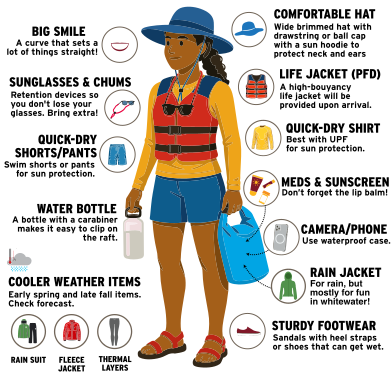
What to wear rafting in 4 simple steps
The best rafting clothes are made to get wet, protect you from the sun, stay securely on you, and adapt as conditions change. Quick-drying fabrics are the most versatile choice for most guests because they keep working when the weather doesn't.
01
Dress to Get Wet
Quick-drying layers are the easiest all-around choice. They handle repeated splashes, swimming, changing weather, and cooler stretches without staying wet for hours.
02
Cover up from the sun
Long sleeves, a hat, sunglasses, sunscreen, and lip balm matter more after hours on the water than they do on a short afternoon outside.
03
Wear shoes that stay on
Choose sturdy water sandals or multi-sport shoes with secure straps and good tread. Save flip-flops or slip-ons for camp.
04
Keep another layer handy
Cold spray, canyon shade, wind, or a passing storm can change how the same temperature feels. Rain gear and a light warm layer are easy insurance.
Your trip-specific packing list is the final word. The recommendations below work across Western River trips, but exact quantities, weight limits, and cold-weather items vary by river, season, and itinerary.
What to wear whitewater rafting
Think in layers rather than outfits. You are dressing for sun, water, wind, short hikes, and changing temperatures, sometimes all in the same day. Open any category below for the practical details.
Sun Protection: Start Here
Long days on the river mean long hours of sun exposure. Covering up is usually easier than trying to keep up with sunscreen alone.
- Quick-dry long-sleeve or UPF shirt: A lightweight sun shirt or sun hoodie is one of the most useful pieces you can bring.
- Hat with a strap or clip: Choose a brim that gives you the coverage you want, then make sure the hat can stay with you in wind and whitewater.
- Sunglasses with a retaining strap: The strap matters. A backup pair is also a good idea.
- Sunscreen and SPF lip balm: Keep both in your day bag where you can reapply them during the day.
On-the-Water Clothing
Wear clothing you are comfortable getting wet repeatedly. For most guests, quick-drying fabrics are the most versatile option because they work well through splashes, swims, shade, wind, and changing weather.
- Swimsuit or quick-dry base layer: A practical foundation for most river days.
- Quick-dry shorts: Comfortable on the raft and easy to move in during shore stops and hikes.
- Quick-dry shirts: The best all-around choice for most guests. Short sleeves work; long sleeves add valuable sun protection.
- Lightweight quick-dry pants: Optional on many trips, but useful for added sun coverage or cooler conditions.
Hot-weather exception: On very hot summer trips in Grand Canyon, Cataract Canyon, and Desolation Canyon, some experienced river guides intentionally wear a cotton shirt and keep it wet. Because cotton dries slowly, it can hold water against your skin longer and extend evaporative cooling when temperatures climb above 100°F. You do not need cotton to stay comfortable. Quick-dry clothing works well when rewetted as needed, and quick-dry layers are more forgiving if clouds, rain, wind, or cooler temperatures move in.
Follow your specific packing list for how many of each item to bring. On a multi-day river trip, most people need fewer outfits than they expect.
Footwear: river shoes first, camp shoes second
Your primary river shoe needs to stay on your foot and give you traction on wet, uneven ground.
- For the river: Sturdy water sandals or multi-sport water shoes with a secure heel strap and good tread.
- For camp: A lightweight second pair can feel great after you change out of wet river shoes.
- Break them in first: A river trip is a poor place to discover where a brand-new sandal rubs.
If your trip includes more demanding hikes, your exact packing list may call for additional support or a different shoe style.
Rain gear: useful even when the forecast is clear
On many Western River packing lists, rain gear does double duty. It protects you from rain, but it can also block wind and cold spray when you are running whitewater.
- Bring the rain gear listed for your trip: Many trips call for a two-piece jacket and pants rather than a poncho.
- Keep it accessible: Put it in your day bag instead of packing it with your overnight gear.
- Cooler trips may call for more: Some packing lists recommend paddle gear or additional cold-weather layers in early or late season.
Dry clothes for camp and cool mornings
A dry layer at the end of the day feels especially good after hours around water and sun.
- Dry camp clothes: A comfortable shirt with lightweight shorts or pants.
- Light fleece or insulating layer: Useful when the sun drops behind canyon walls or before it reaches camp in the morning.
- Socks: Helpful around camp and useful if your feet need a break from sandals.
Cooler weather and shoulder-season trips
Do not judge what you need by the afternoon air temperature alone. River temperature, morning shade, wind, and spray all matter. Trip weather pages such as Grand Canyon weather by month show what the air and water actually do in your travel window.
Your trip-specific list may add items such as neoprene socks, synthetic or wool base layers, a warm hat, gloves, a heavier fleece or lightweight down layer, or paddle gear. Pay particular attention to the cold-weather section of your list when traveling early or late in the season.
What not to wear on the river
You do not need specialized clothing from head to toe. A few choices are simply less useful once they get wet or easier to lose.
-
Jeans or denim on the waterItem Link List Item 1
They become heavy and restrictive when soaked and take a long time to dry. Lightweight river clothing is much easier to move in.
-
Flip-flops as your river shoeItem Link List Item 2
They are fine around camp, but not as your only footwear for moving water and rocky shorelines.
-
Brand-new footwearItem Link List Item 3
Break sandals or water shoes in before the trip so you know exactly where they rub.
-
Loose hats or glassesItem Link List Item 4
Use a chin strap, hat clip, or eyewear retainer. If it can blow or bounce away, eventually it may.
-
Irreplaceable valuablesItem Link
Leave sentimental jewelry and anything you would hate to lose somewhere other than the river.
Get your trip-specific packing list
Use the general guide above to understand what works. Then use the PDF for your actual trip to decide what goes in the duffel. These lists include suggested quantities, trip-specific gear, baggage limits, and seasonal additions.
Oregon
Rogue River Lodge-to-Lodge
Costa Rica
Costa Rica / Pacuare River
Planning a Grand Canyon trip? The
Grand Canyon packing hub goes deeper on bags, weight limits, trip-specific gear, baggage limits, and seasonal additions.
Make packing and preparation easy with our online store.
Start with what you already own. Then fill the real gaps: secure river footwear, sun protection, quality rain gear, and lightweight layers that work well around water. Red Rock Outfitters carries what you need if you are missing something specific.
What Western River Provides
One reason a multi-day rafting trip is easier to pack for than it first appears: you are not bringing the big expedition gear yourself. Western River and its trip partners handle the major equipment for your trip and you just show up with your duffle.
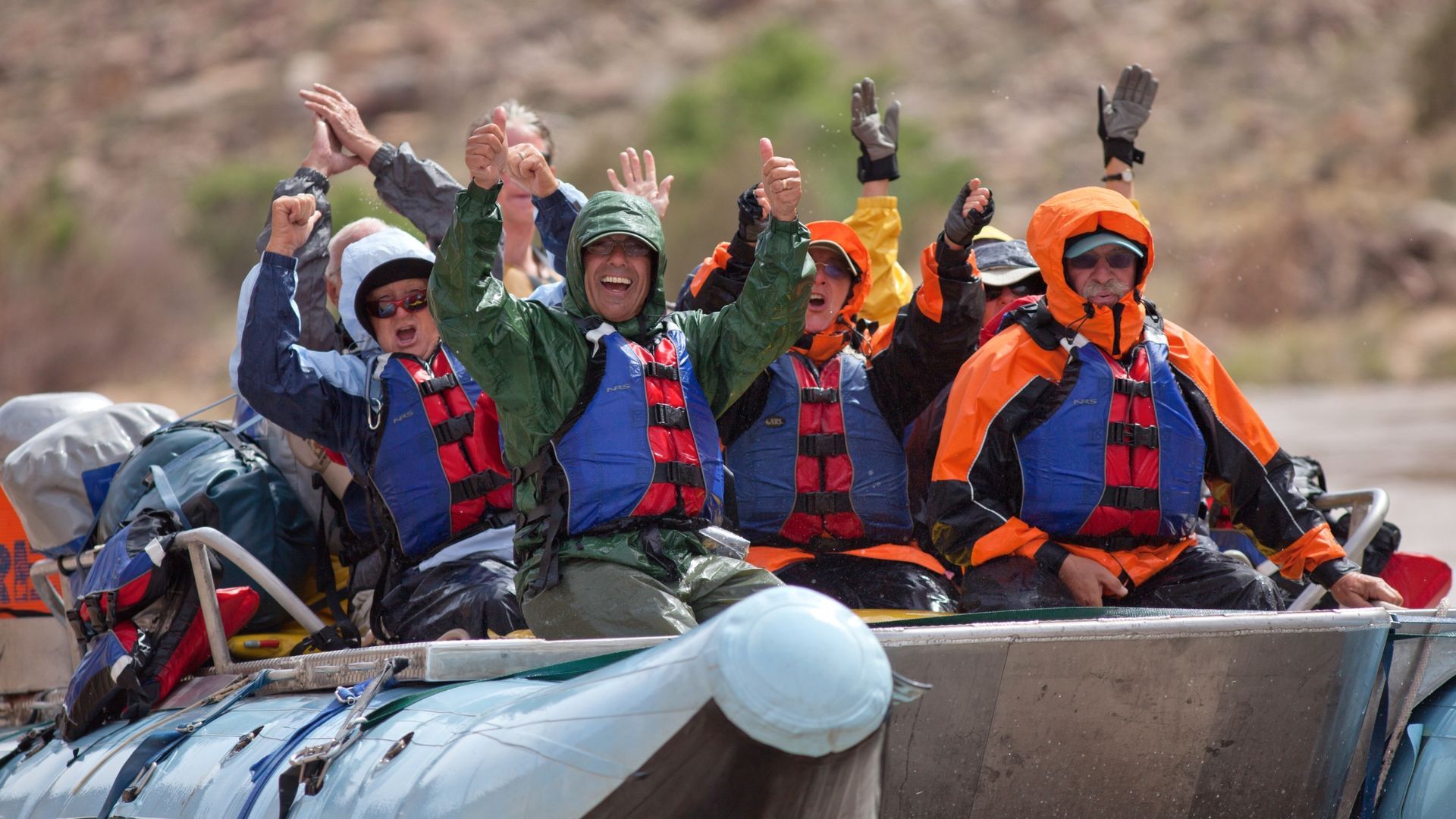
Life Jacket / PFD
Your rafting life jacket is provided and fitted when you meet the guides and boats.
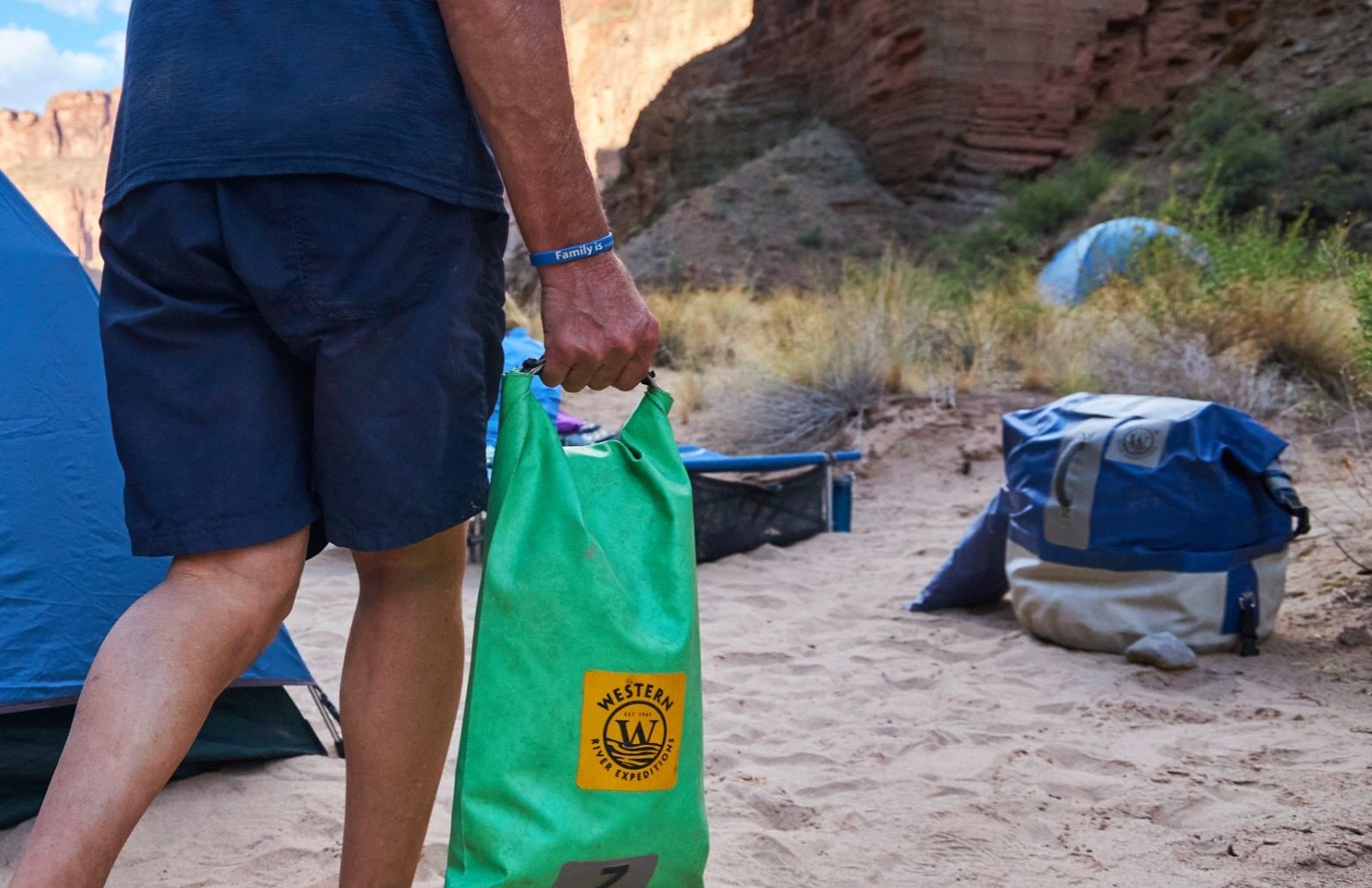
Dry Bags
Overnight gear bags and day-use bags keep your belongings dry while on the river.
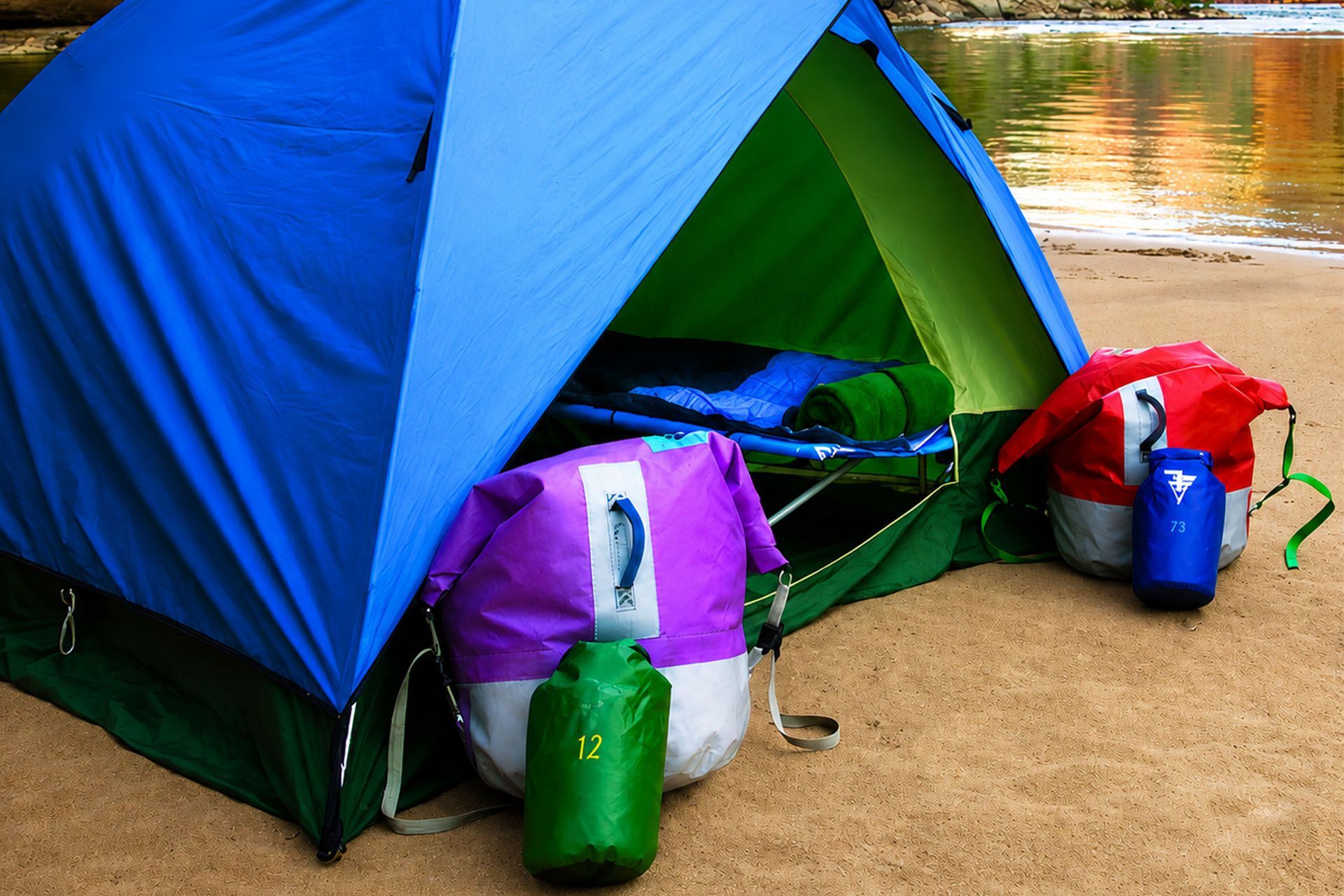
Sleeping Gear & Equipment
On camping trips, sleeping bags, sheets, tents, and cots or sleeping pads are provided. See
what river camping is actually like.

Meals, Water & Lemonade
Meals, snacks, water, and lemonade are handled for you during the expedition.
Do not use this section as a substitute for your packing list.
Provided equipment differs by itinerary. Your trip PDF is the easiest way to see exactly what Western River supplies and exactly what you still need to bring.
What Guests Say About Packing and Gear
"Don't skimp on high quality rain gear"
★★★★★
Follow their packing list suggestions, with these additional pro tips: don't skimp on high-quality rain gear, bring dry-wicking sun hoodies, and pack twice as much sunscreen and lotion as you think you'll need.
Thomas G. - Google Review
"I just show up with a small duffle"
★★★★★
I have done 11 whitewater rafting trips with Western and highly endorse them. They have the most comfortable boats in Grand Canyon, the food is excellent, and the logistics are left up to them. I just show up with a small duffle and they provide the rest.
Ashley - Google Review
"Still shaking sand out of my duffel bag"
★★★★★
Sure, I'm still shaking sand out of my duffel bag, and I won't soon forget just how chilly those early nights were, but more than anything, I'm walking away with lifelong friendships, incredible photos, and memories that will stay with me forever.
Paul A. - TripAdvisor

★★★★★
360+ REVIEWS

★★★★★
800+ REVIEWS

★★★★★
1K+ REVIEWS

★★★★★
80+ REVIEWS
Choose the river first. We will help you prepare for the rest.
Every Western River trip comes with detailed pre-trip information and a packing list built for that river, season, and itinerary. Once you know where you are going, getting ready becomes straightforward.
Questions? Call (801) 459-3525 and talk to someone who has been there.
Adventure with confidence
Frequently Asked Questions
What should I wear whitewater rafting?
Wear lightweight clothing that can get wet repeatedly: a swimsuit or quick-dry base, a sun-protective shirt and shorts or pants, secure water sandals or water shoes, and the rain gear and warm layers listed for your trip. Quick-dry fabrics are the most versatile default. On the hottest desert trips, some experienced river runners intentionally use a wet cotton shirt for longer-lasting evaporative cooling.
What shoes should I wear whitewater rafting?
Choose sturdy water sandals or multi-sport water shoes that secure to your feet and have good tread. Flip-flops or slip-ons are better as camp shoes than as your primary river footwear. Break new shoes in before departure, and check your trip list for any hike-specific footwear recommendations.
Can I wear cotton or jeans rafting?
Cotton and denim are not quite the same thing on a river trip. Jeans and heavy denim are poor river clothing because they become heavy and restrictive when wet. A lightweight cotton shirt can actually be useful during extreme summer heat in Grand Canyon, Cataract Canyon, or Desolation Canyon because it stays wet longer and can extend evaporative cooling. Some guides use cotton this way intentionally.
For most guests, quick-dry shirts remain the more versatile choice: you can rewet them whenever you want cooling, and they recover much faster if the day turns cloudy, windy, rainy, or cool. Follow your trip-specific packing list and forecast rather than treating “never wear cotton” as an absolute rule.
Do I need rain gear if it is not supposed to rain?
Often, yes. Many Western River packing lists include rain gear because it can block wind and cold spray as well as rain. Keep it where you can reach it during the day. In cooler conditions, your exact packing list may recommend additional paddle gear or insulation.
What should I wear for cold water or a spring or fall trip?
Follow the cold-weather section of your specific packing list closely. Depending on the trip and date, that may include synthetic or wool base layers, neoprene socks, a warm hat and gloves, a heavier fleece or lightweight down layer, and additional splash or paddle gear.
How much clothing should I pack for a multi-day rafting trip?
Usually less than you would pack for a normal vacation. Quick-dry clothing can be rotated, and many expeditions have baggage or aircraft weight limits. Use your trip-specific PDF for exact quantities and weight limits rather than packing extra “just in case” outfits.
Do I need to bring my own camping gear?
Not the major camping equipment on Western River camping trips. Sleeping bags, tents, and either cots or sleeping pads are provided according to the itinerary. The Rogue River lodge-to-lodge trip uses lodge accommodations instead. Check your packing list for the small personal sleeping items, if any, that your specific trip asks you to bring.
What should I do with my phone, glasses, and valuables?
Use a waterproof case or sleeve for your phone and keep it inside the day-use bag when you are not using it. Sunglasses and prescription glasses should have a retaining strap. Leave sentimental jewelry and irreplaceable valuables at home or with stored luggage rather than bringing them onto the river.
Have more questions?
Get ready for whitewater rafting!
Packing makes more sense once you can picture the actual day: cool mornings, hours on the water, short hikes and swims, then dry clothes and a different pace at camp.
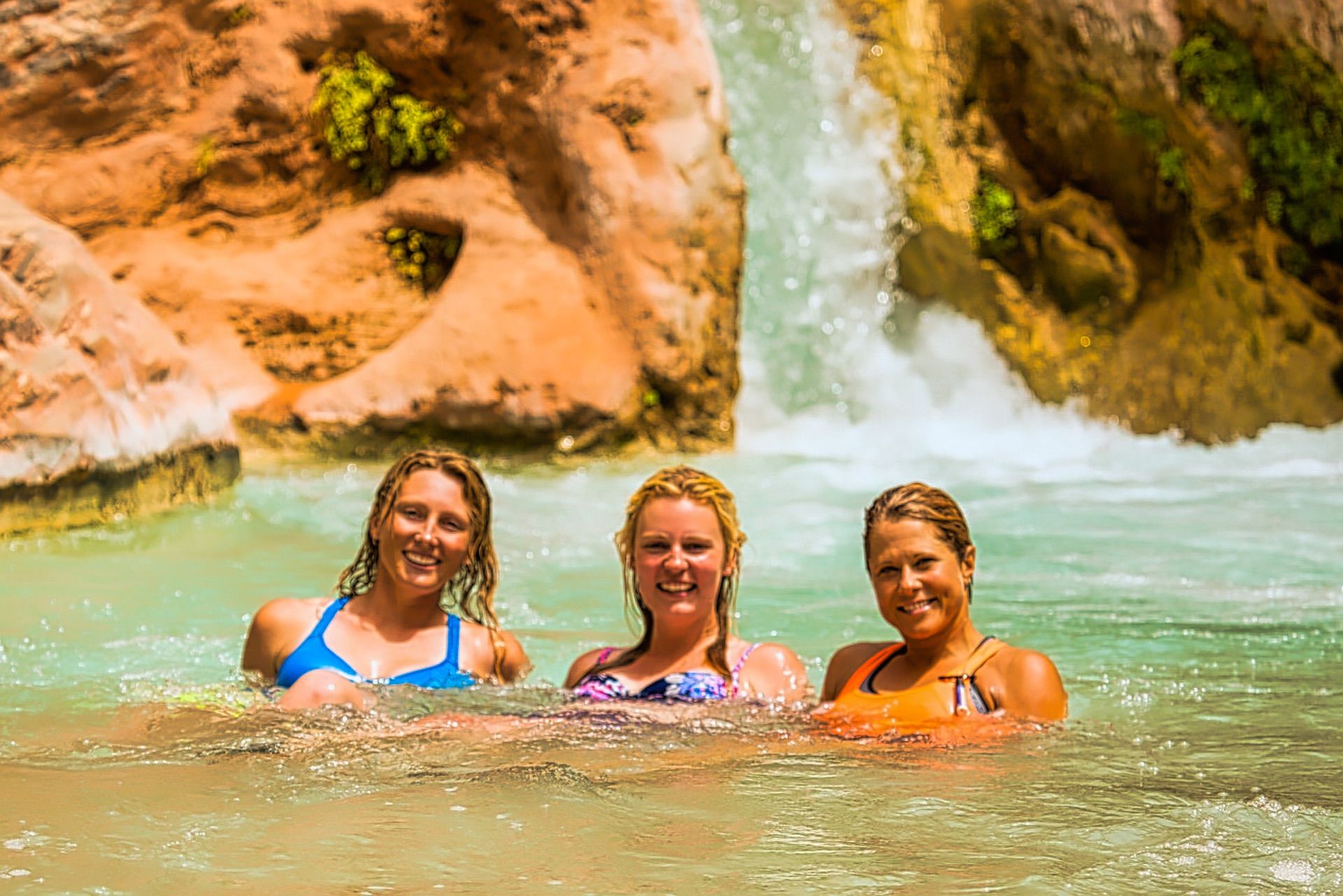
What a Day on the River Is Like
See how mornings, rafting, side-canyon stops, meals, and camp actually fit together.
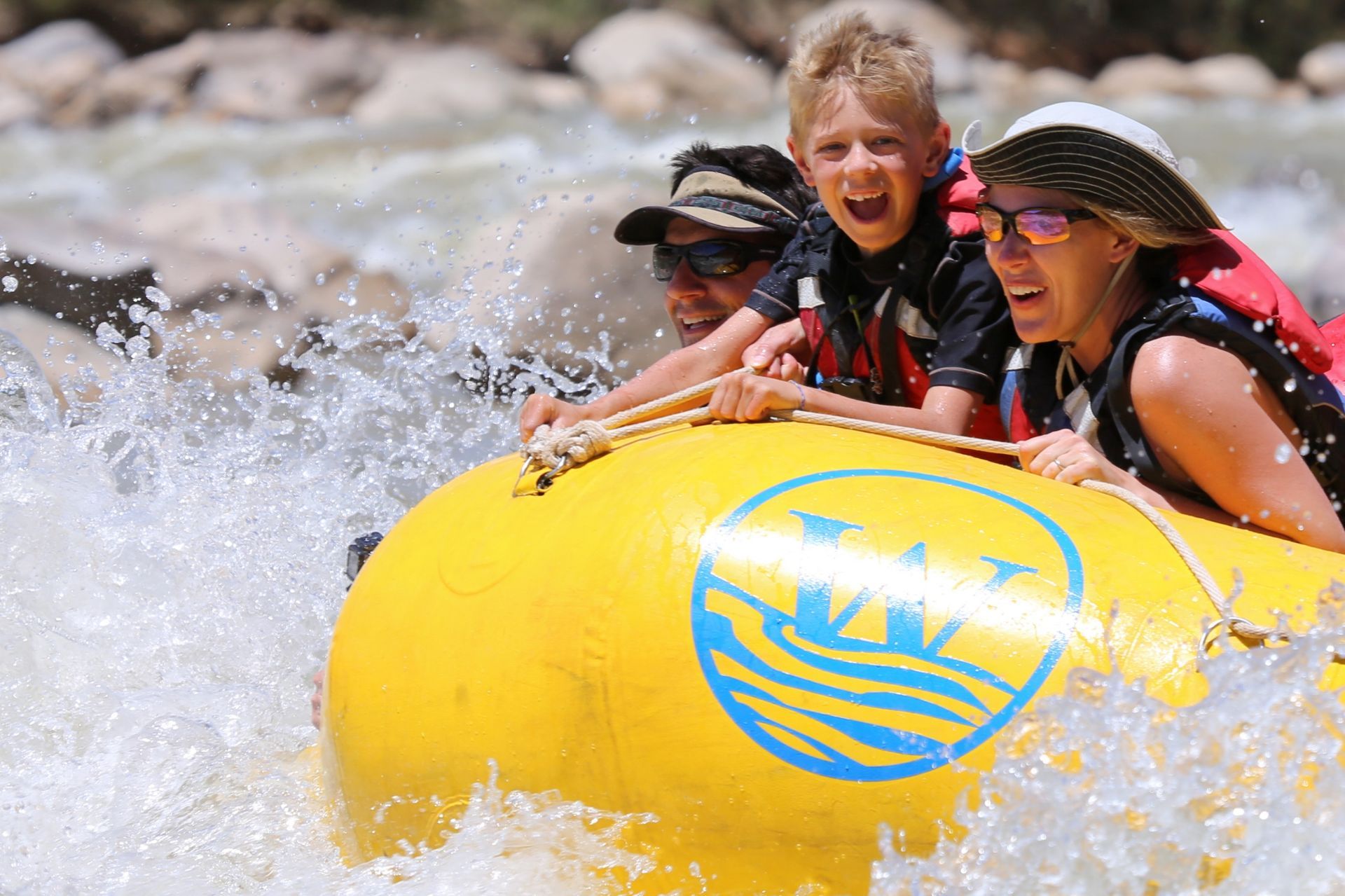
10 Tips for First-Time Rafters
Practical advice for the parts of a river trip that are hardest to picture before you have done one.
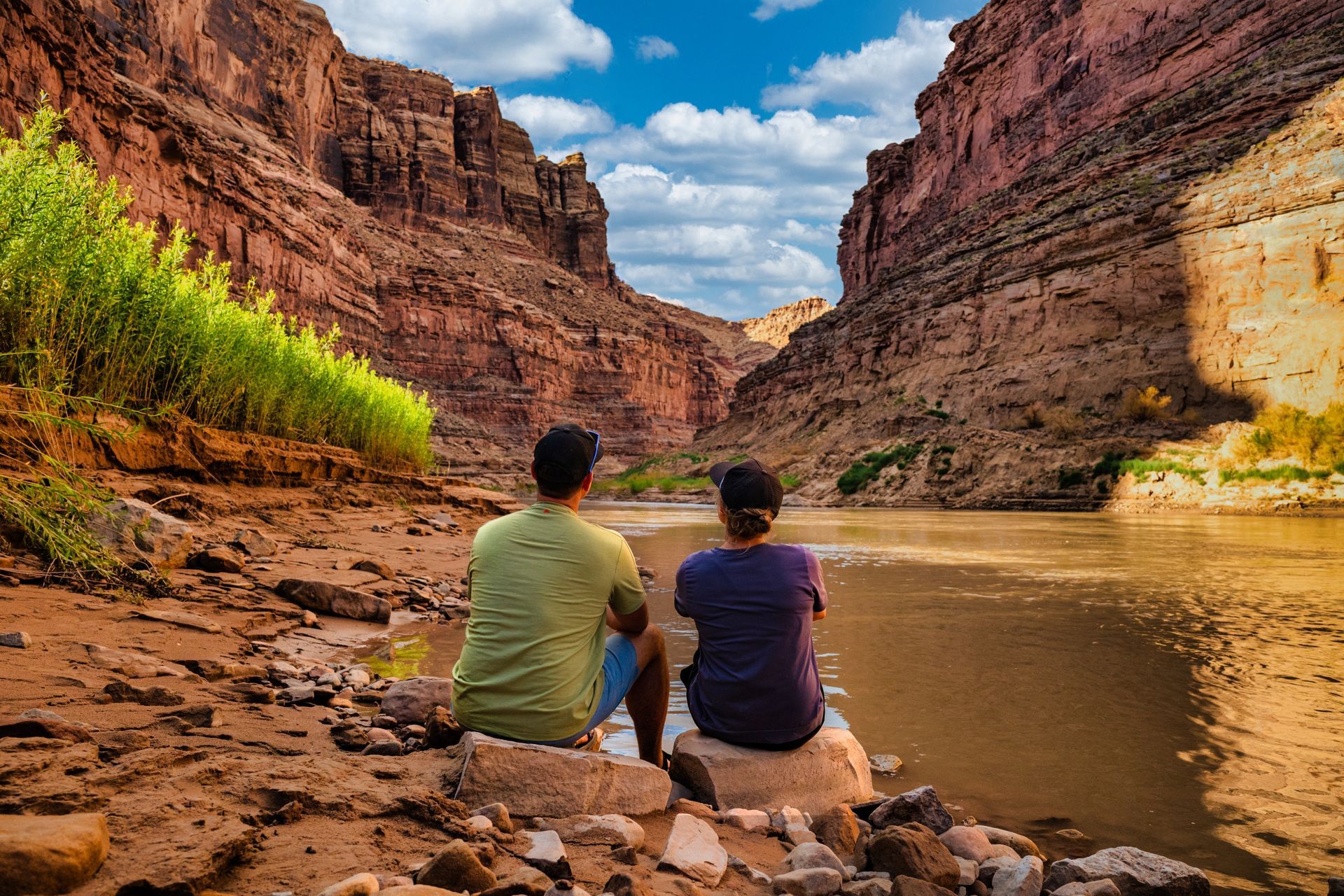
Compare Western River Trips
Still deciding where to go? Compare destinations, trip lengths, river styles, and camping experiences.
Request Your Free Trip Catalog
Explore our complete collection of rafting adventures across the Grand Canyon, Utah, Idaho, and Oregon. This full-color catalog includes detailed trip overviews, sample itineraries, maps, and planning guidance to help you compare destinations and choose the experience that’s right for you.