Caring for the Rivers and Canyons We Depend On
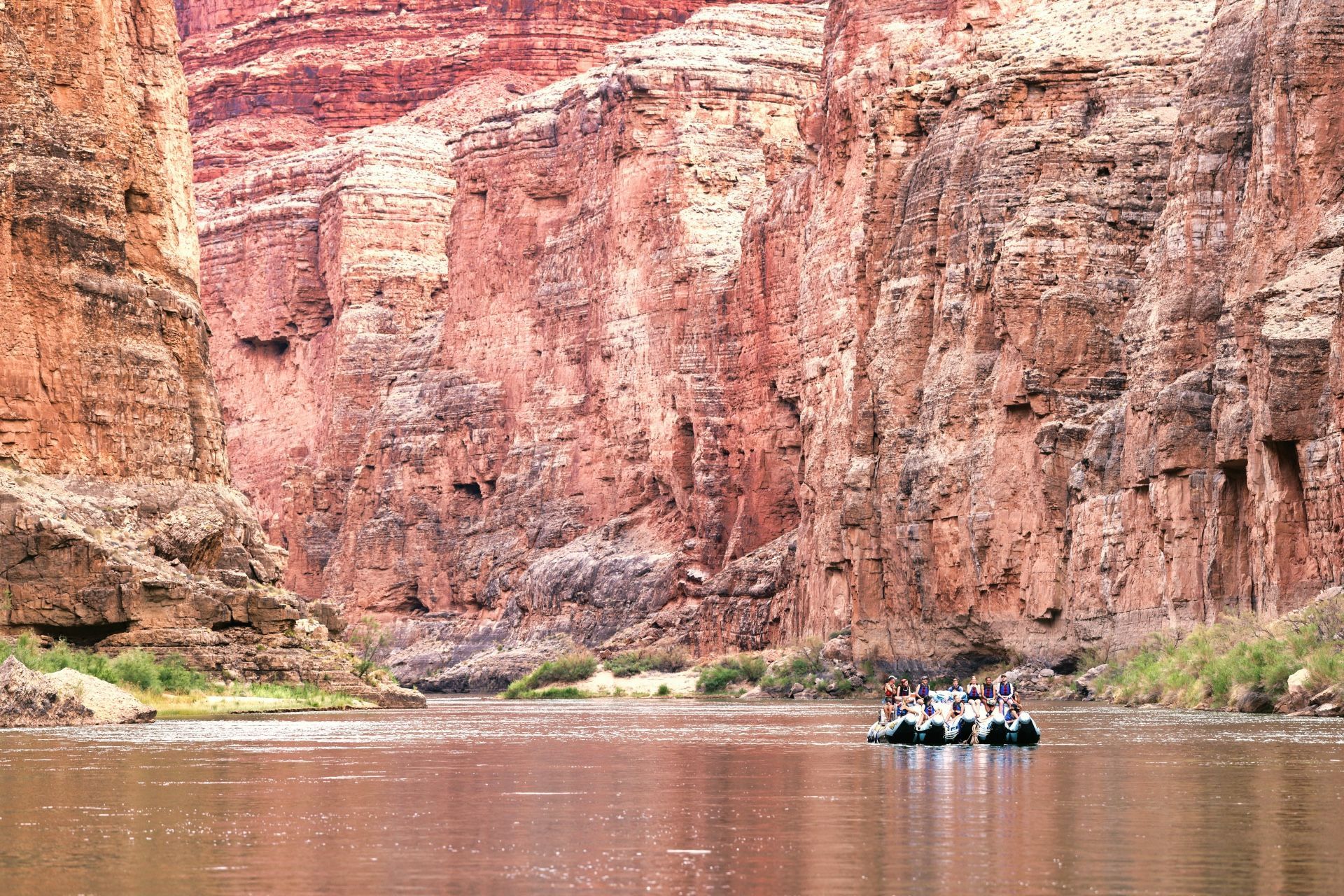
For more than 60 years, Western River Expeditions has guided guests through some of the West’s most remarkable river canyons. Spending that much time in these places creates a responsibility to travel carefully, respect the landscapes and cultural sites we visit, and leave each camp ready for whoever comes next.
Our responsibility is to reduce our impact where we can, meet or exceed the standards of the places where we operate, and keep looking for better ways to do the work.

The Western Way
Stewardship happens in the small decisions.
On a multi-day river trip, caring for the places we travel through isn’t something added after the itinerary is planned. It shapes how the trip is organized from the beginning, from permits and equipment to guide training, camp systems and waste management.
Much of that work is invisible to guests. That’s the point. Thoughtful preparation lets you experience these places naturally while helping us leave them ready for those who come next.
Plan Before Launch
Permits, food, gear, sanitation and camp systems are organized long before a trip begins.
Systems for Remote Places
Everything we bring is planned to be managed, contained and carried out responsibly.
Extensive Training
Guides learn river skills, camp systems, interpretation, waste practices and care for remote places.
Help Guests Travel Well
Guides explain the why behind each practice, making stewardship part of the river experience.
A good camp should leave almost no story behind.
By breakfast, a beach may hold a kitchen, sleeping areas, chairs, dry bags, and a group of new friends. A few hours later, it should look close to the way we found it, or even better. That takes good systems, practiced guides, and guests who understand their part.
01
Leave No Trace
Food, trash, kitchen gear and sanitation systems are carefully contained. Before the boats leave, equipment is packed and the beach and camp areas get one last sweep for anything that does not belong.
02
Tread Lightly
Side-canyon hikes lead to some of the most memorable places on a river trip. Guides choose established routes and durable gathering areas to avoid unnecessary damage to soils and vegetation.
03
Respect The Past
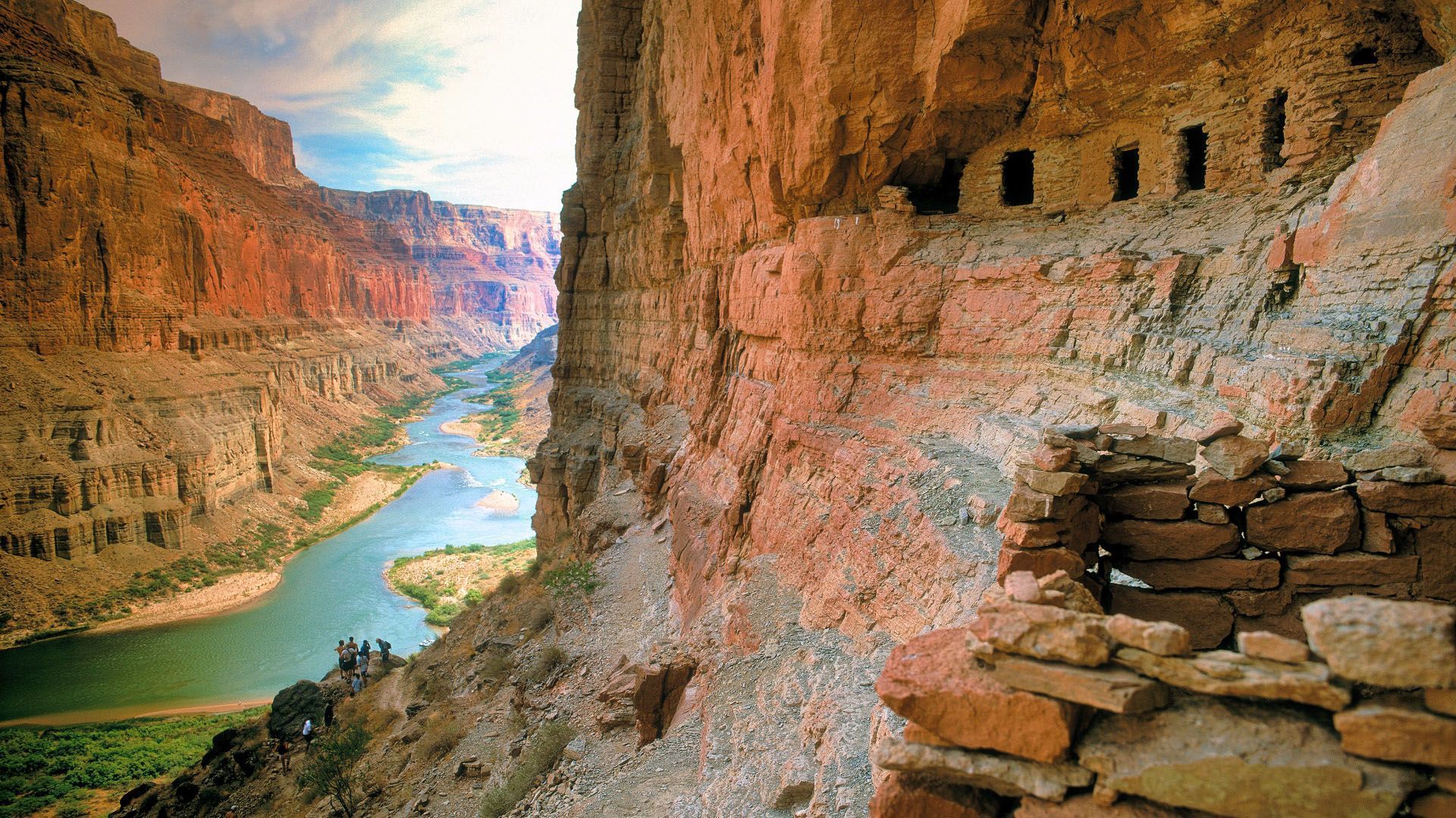
Petroglyphs, ancient granaries and dwellings, pottery fragments and other cultural resources tell a story precisely because they remain where they were left. We look, learn, and leave them in place.
04
Give Wildlife Space
Bighorn sheep, birds, reptiles and other wildlife are most rewarding to see when they remain wild. Guides help guests watch without approaching, feeding or turning camps into food sources.
★★★★★
“It was so nice to land on a camp spot on the beach and have it be pristine except for footprints. No easy accomplishment with thousands of people rafting down the river every summer.”
Laurie W.
Western River guest
Stewardship Is Part of Guiding
Our guides carry the standard downstream.
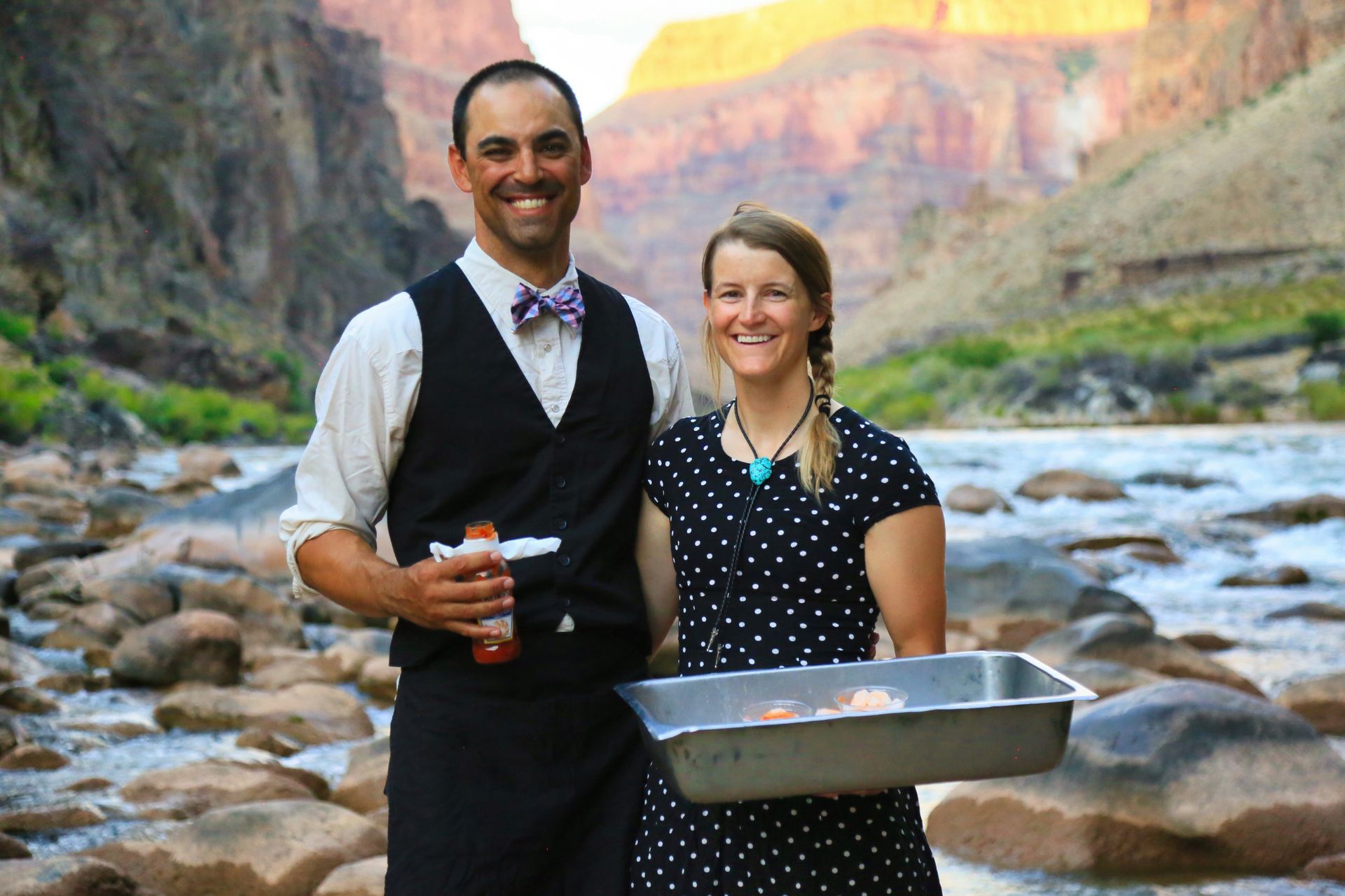
A Western guide does far more than navigate a raft. Guides establish camp systems, manage kitchens and sanitation, lead groups through sensitive places, interpret geology and history, watch how wildlife is approached and, over several days, quietly teach guests how to live in the canyon without taking it for granted.
Western guides complete more than 400 hours of specialized training before taking responsibility for guests, including river skills, first aid, outdoor cooking and interpretation. The expectation is not simply to tell guests what not to do. It is to help them understand why the place deserves that care.
- Camp and kitchen systems
- Waste-management procedures
- River and canyon interpretation
- Leave No Trace practices
- Wildlife awareness
- Respect for cultural resources
Supporting the Grand Canyon Fund
Western River is one of the licensed Grand Canyon river concessioners that supports the Grand Canyon Fund, established in 1988 to help protect the canyon and expand access to meaningful backcountry experiences. The fund provides grants to nonprofit organizations working on conservation and on access for people who might otherwise have difficulty experiencing the Grand Canyon backcountry.
Established in 1988
A long-running conservation effort connected to the Grand Canyon river community.
Focused on conservation
Grant support helps organizations working to protect the Grand Canyon and its resources.
Expanding access
The fund also supports opportunities for people who face barriers to backcountry experiences.
Once you’re on the river, you’re part of the system too.
You do not need to arrive knowing wilderness etiquette. Your guides will show you how camp works and where to walk, wash, gather and explore. Within a day, most of it becomes second nature.
01
Follow established routes
Use the paths and durable surfaces your guides identify rather than creating new shortcuts.
02
Keep food and trash contained
Small scraps matter in places where wildlife quickly learns to associate camps with food.
03
Leave objects where they are
Photograph interesting rocks, artifacts and plants rather than taking them with you.
04
Give wildlife room
Enjoy the encounter without approaching, feeding or changing the animal's behavior.
05
Leave beaches and camps even better than you found them
Before leaving, look around your sleeping area and help leave as little evidence as possible.
Why it Matters
A canyon feels different after you’ve lived inside it for a few days.
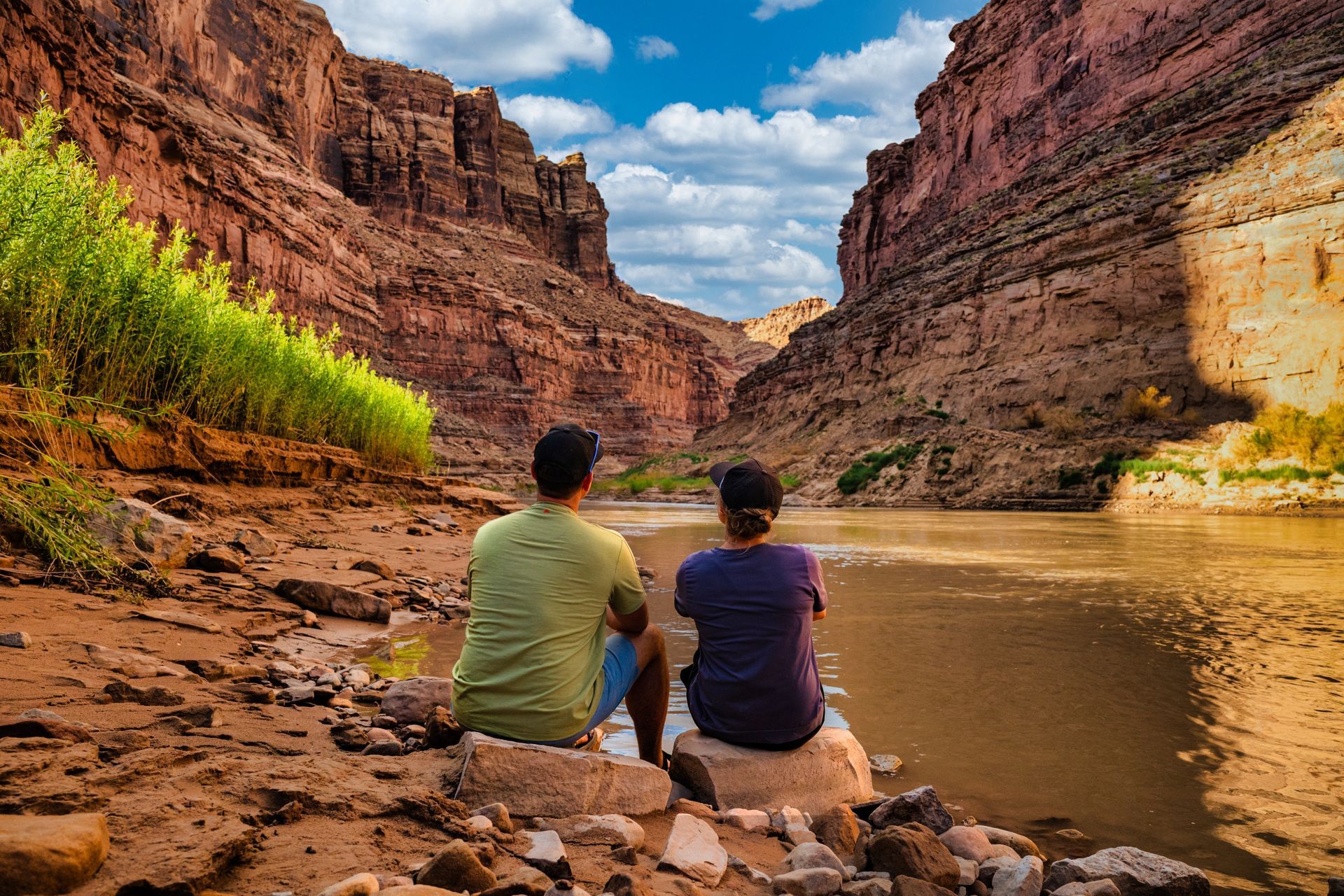
From the rim, a canyon is something you look at. On the river, it becomes where you wake up, eat breakfast, travel, swim, explore, and fall asleep beneath the stars. Guests often come home talking about awe, perspective, and a renewed appreciation for the natural world. That is not something we can manufacture, and it is one reason we care so much about how these trips are run.
People tend to care differently about a place once it has become part of their own story.
Continuing to Improve
There is still work to do.
River expeditions have an environmental footprint. Boats and vehicles use fuel. Food and equipment have to be transported into remote places. Guests travel long distances to reach our trips. We do not believe responsible stewardship requires pretending those impacts do not exist.
Our responsibility is to follow the best available practices, invest in improvements that make sense in demanding river environments, work with the agencies and organizations responsible for these places, and continue asking where we can do better. For our own team, that means stewardship is never a box we check; it is an operating responsibility we carry from one season to the next.
The best way to understand why these places matter is to spend time inside them.
Explore Western River expeditions through the Grand Canyon, Utah, Idaho and Oregon.
Environmental Stewardship FAQ
Frequently Asked Questions
How does Western River Expeditions practice Leave No Trace?
Western builds low-impact practices into the daily operation of the trip: containing food and trash, managing sanitation systems, using established routes and durable surfaces, protecting vegetation and cultural resources, giving wildlife space, and inspecting camps before departure. Guides explain the systems so first-time river travelers can participate confidently.
What happens to trash and human waste on multi-day rafting trips?
River trips operate under the requirements of the land-management agencies responsible for each destination. In places such as Grand Canyon National Park and in every other location where we operate, solid human waste and trash are carried out rather than left at camps. Guides set up and manage the necessary systems and explain exactly how they work when you arrive on the river.
How does Western protect archaeological and cultural sites?
Guides help guests visit these places respectfully. Cultural materials and artifacts are left exactly where they are found, and groups follow established access routes and site-specific guidance. The goal is to learn from the place without changing it.
How does Western help protect the Grand Canyon beyond individual trips?
Western supports the Grand Canyon Fund, a nonprofit initiative connected to the licensed Grand Canyon river outfitter community. The fund awards grants for conservation work and for programs that help more people access meaningful backcountry experiences.
Does Western use motorized rafts in the Grand Canyon?
Yes. Western's Grand Canyon trips use the J-Rig, powered by 4-stroke outboard motors. Motorized commercial trips are an authorized part of the National Park Service's Grand Canyon river-management system, and Western operates under applicable concession and operating requirements. Motors, helicopters, vehicles, and guest travel all have an environmental footprint, and responsible operation begins by acknowledging that and taking responsibility for creating and maintaining sustainable practices within these modes of operation.
What can I do as a guest to reduce my impact?
Follow your guides' instructions, stay on recommended routes, keep food and trash contained, leave natural and cultural objects where you find them, give wildlife room, and make a final sweep of your camp before leaving. Most of the work is simple once you know the system.
Didn’t find what you need? Call us! We’d be happy to chat.
Request Your Free Trip Catalog
Explore our complete collection of rafting adventures across the Grand Canyon, Utah, Idaho, and Oregon. This full-color catalog includes detailed trip overviews, sample itineraries, maps, and planning guidance to help you compare destinations and choose the experience that’s right for you.