Decorative sun and vertical divider

A Typical Day on The River

Life moves differently on the river

A Typical Day on a Multi-Day Rafting Trip


If you’ve never taken a multi-day rafting trip, it can be hard to picture what the days actually feel like. They’re more varied, and often more relaxed, than most people expect. Whitewater and quiet stretches, hidden places reached only from the river, fresh meals, time to explore, and long moments when there is nothing to do but take it all in.


Your Western River Expeditions guides handle the details and shape each day around the river, weather, and best places to stop and camp. Before long, reservations, drive times, notifications, and everything else you normally manage on a typical vacation begin to fall away. You settle into river time, and that’s when the true magic begins.

Minimal horizontal line with a small starburst icon in the center.

The rhythm of the day, from coffee to stars

No two days follow the same itinerary, but most multi-day rafting trips move through these five familiar parts.

A comfortable seat for relaxing, eating, and watching the canyon change color.

A camp chair sitting at the water's edge with a river winding behind it into the depths of the canyon

Camp Chair


Keeps sunscreen, medication, an extra layer, and other small essentials within reach.

Personal day-use bag
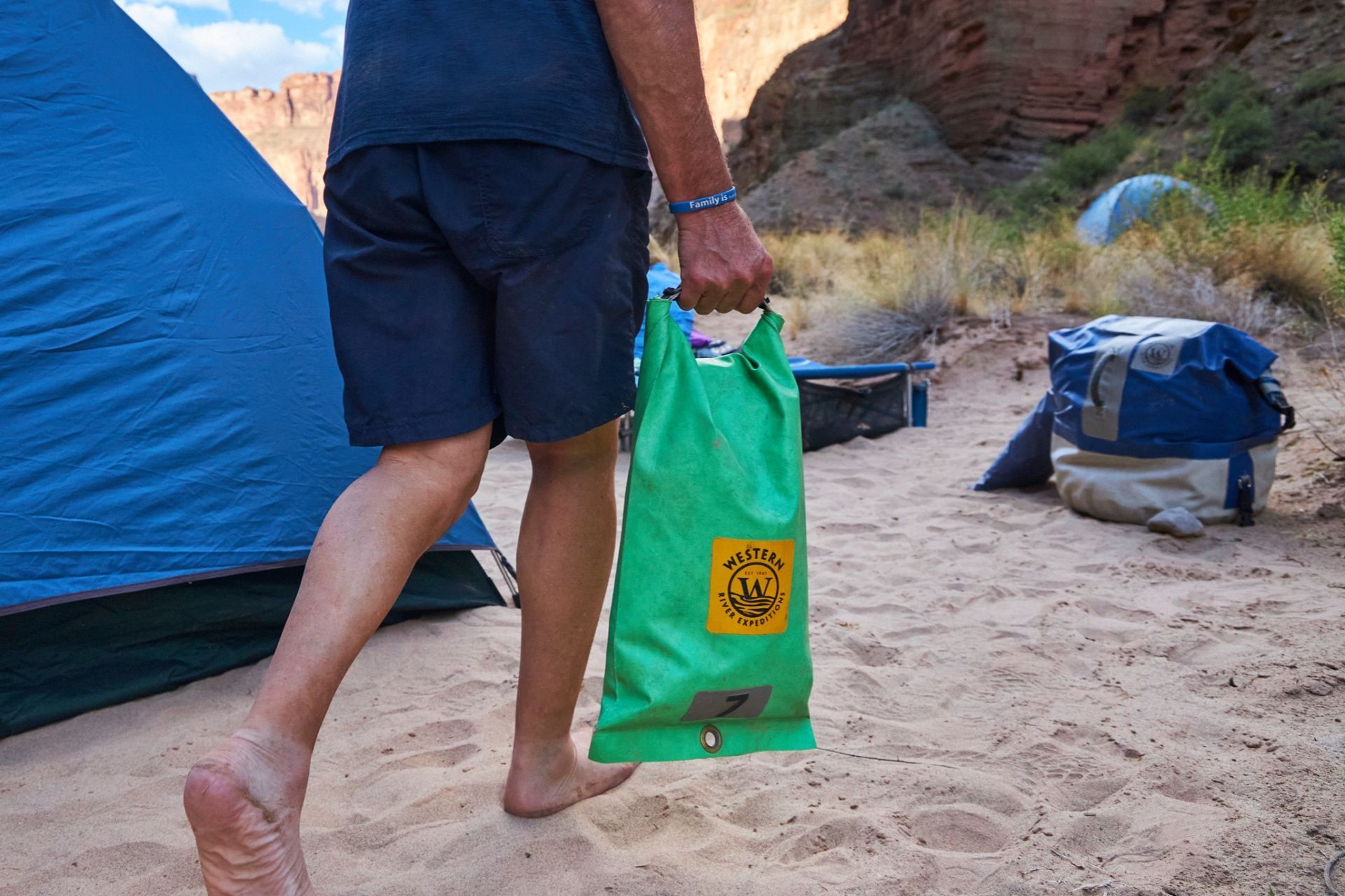
Camper carrying a green dry bag past tents at a riverside camp
Eggs Benedict served with asparagus and tomato on a camp breakfast plate

Morning

Wake, Eat, Pack


Coffee and a hot breakfast, then pack your personal gear as camp comes to life around you.

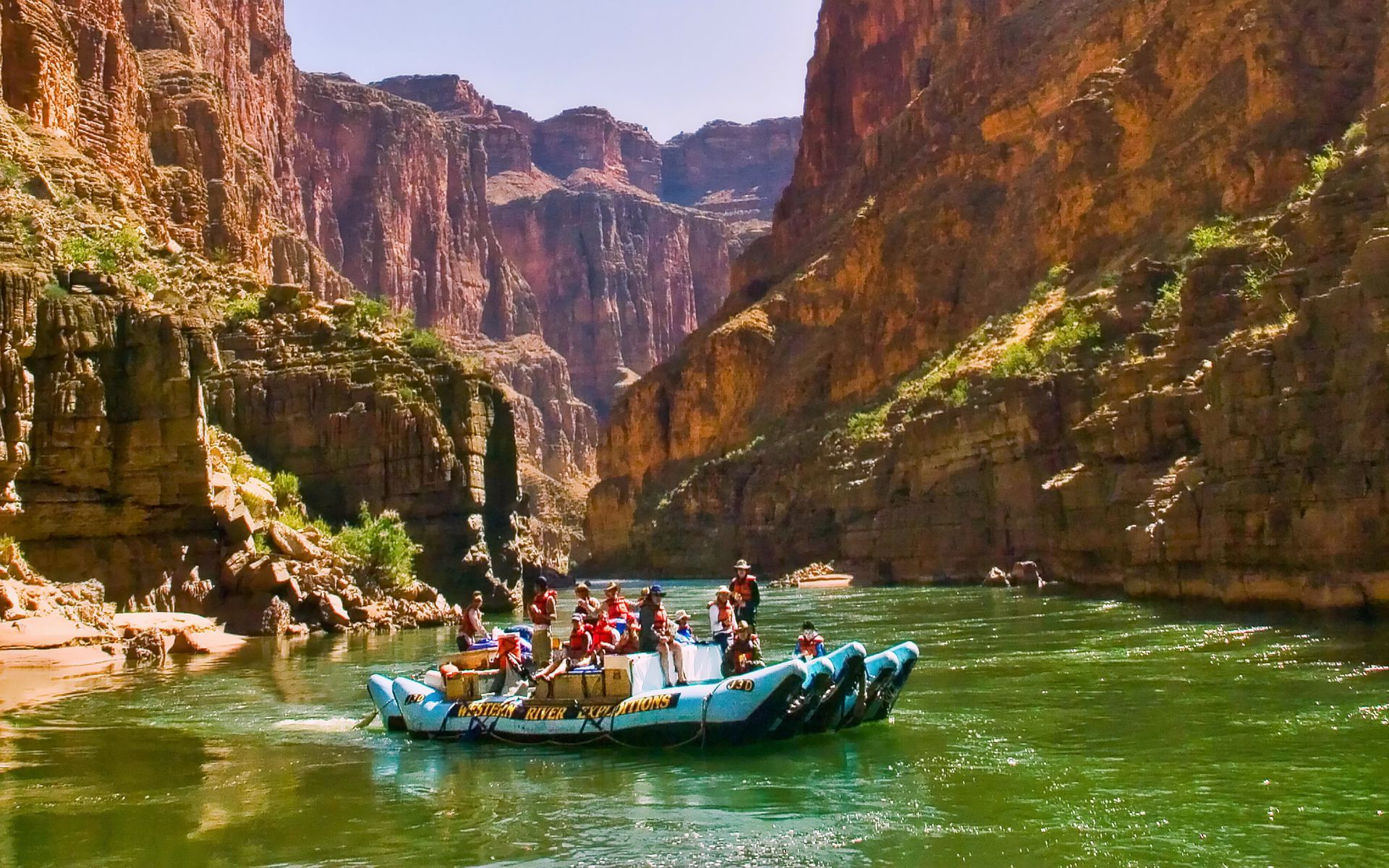
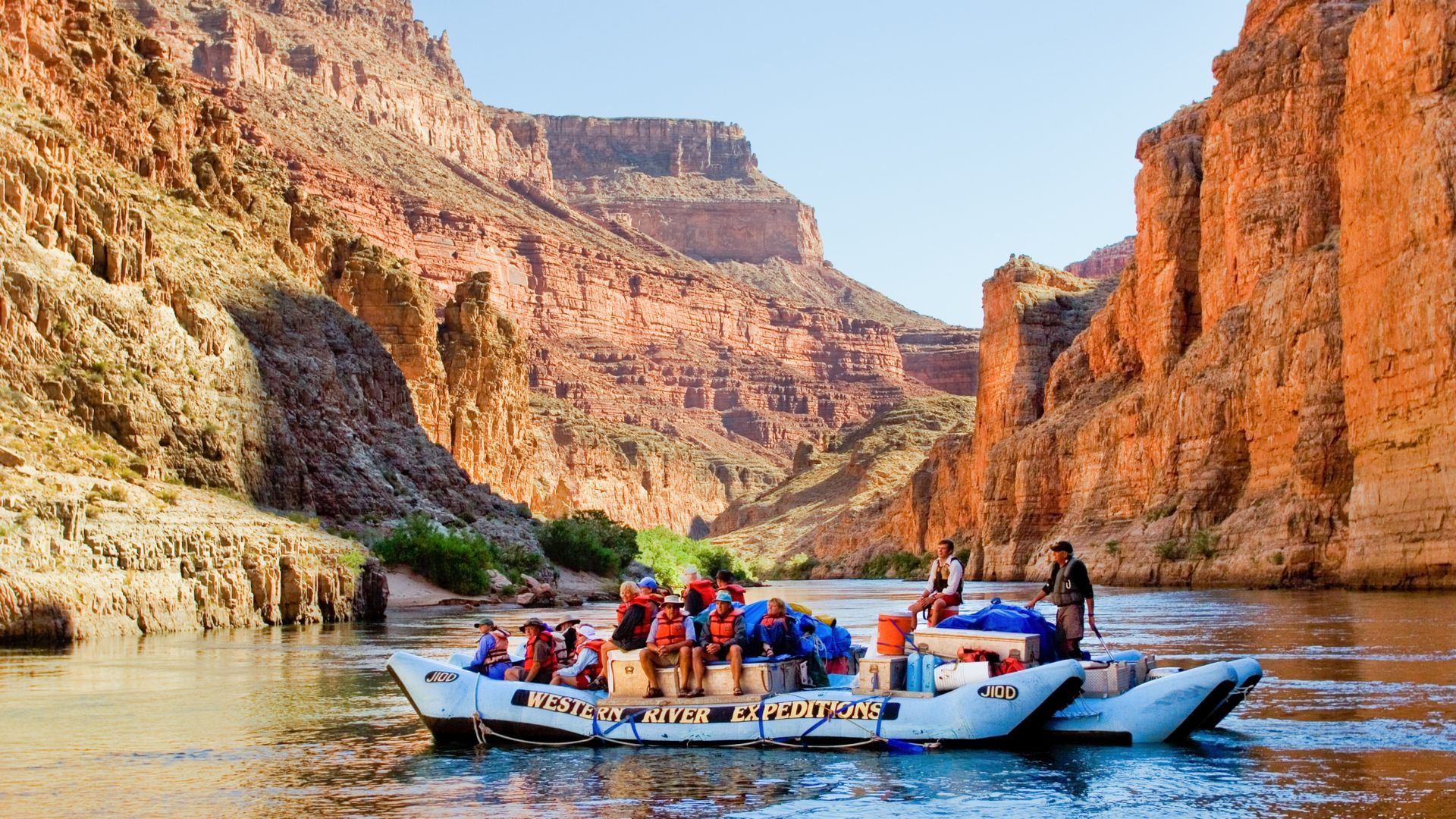
A J-Rig carries guests through a narrow section of Grand Canyon

On the River

Move with the canyon


Quiet water, conversation, scenery, guide stories, and whitewater you'll still be talking about at dinner.

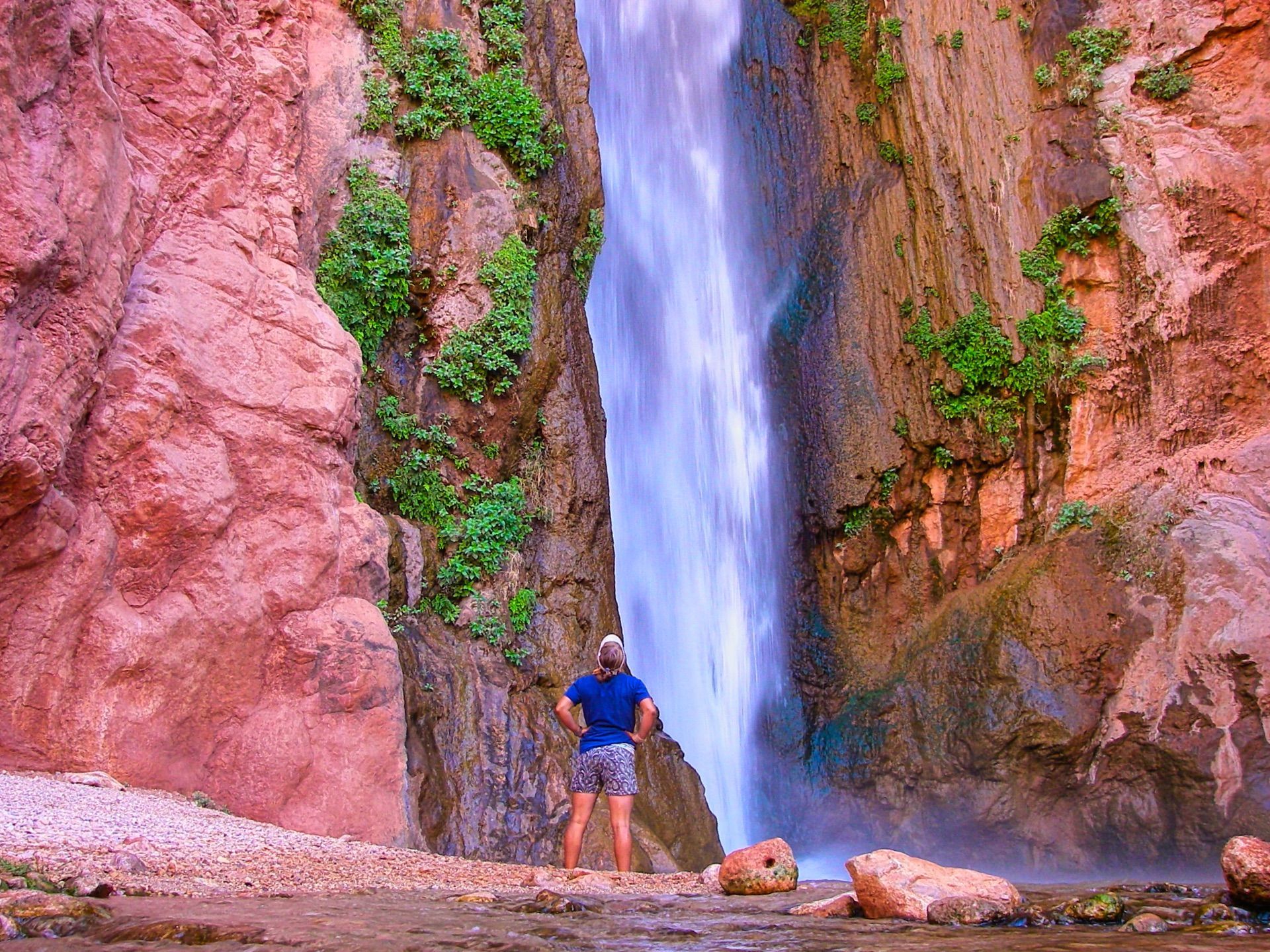
A visitor looks up at Deer Creek Falls

Midday

Pull ashore and explore


Lunch by the river, then perhaps a waterfall, hot spring, petroglyph site, swimming hole, historic site or canyon hike.

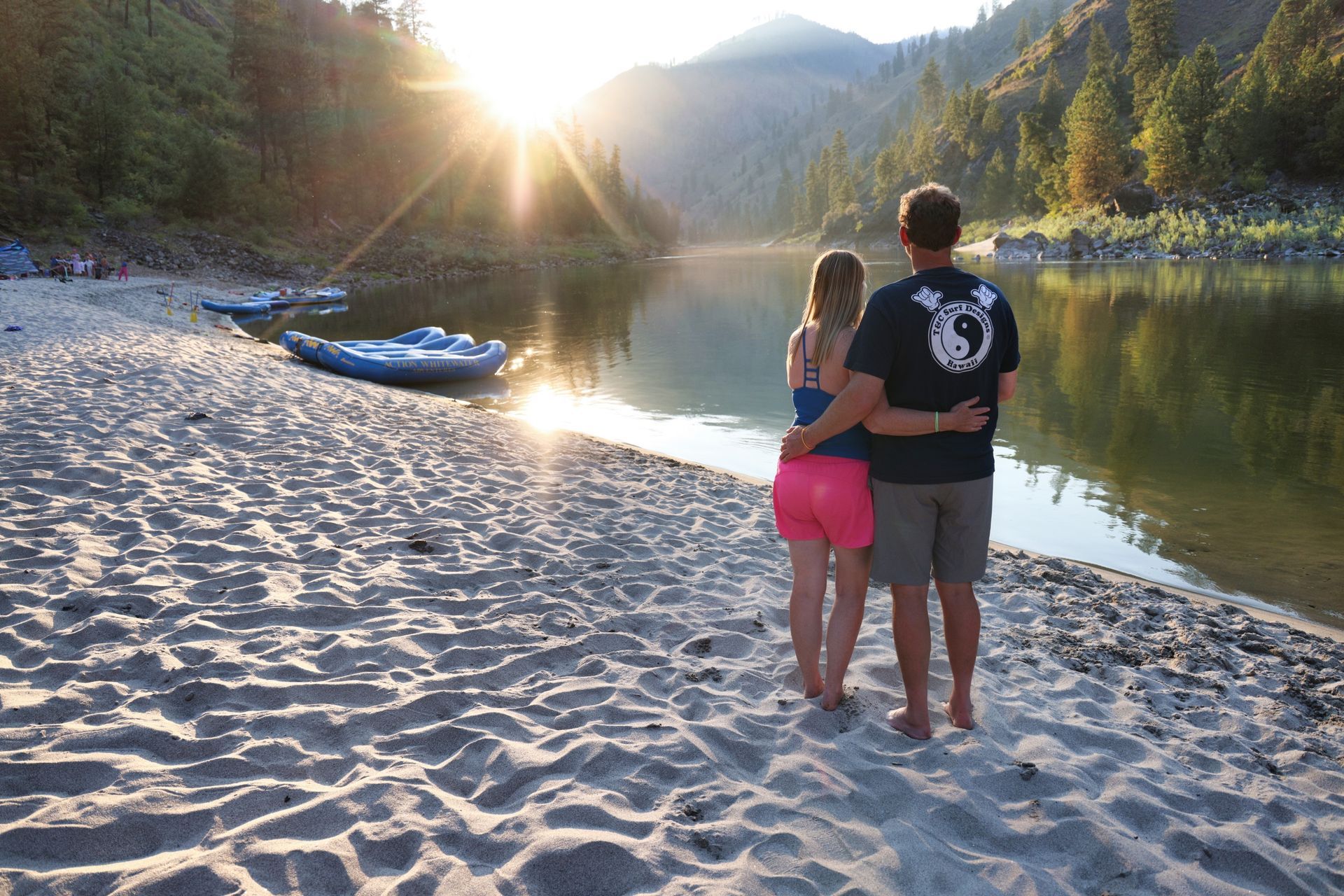
Two people stand together on a sandy Salmon River beach at sunset

Afternoon

A beach becomes home


Pull into camp, choose your spot, and discover the luxury of having nowhere else you need to be.

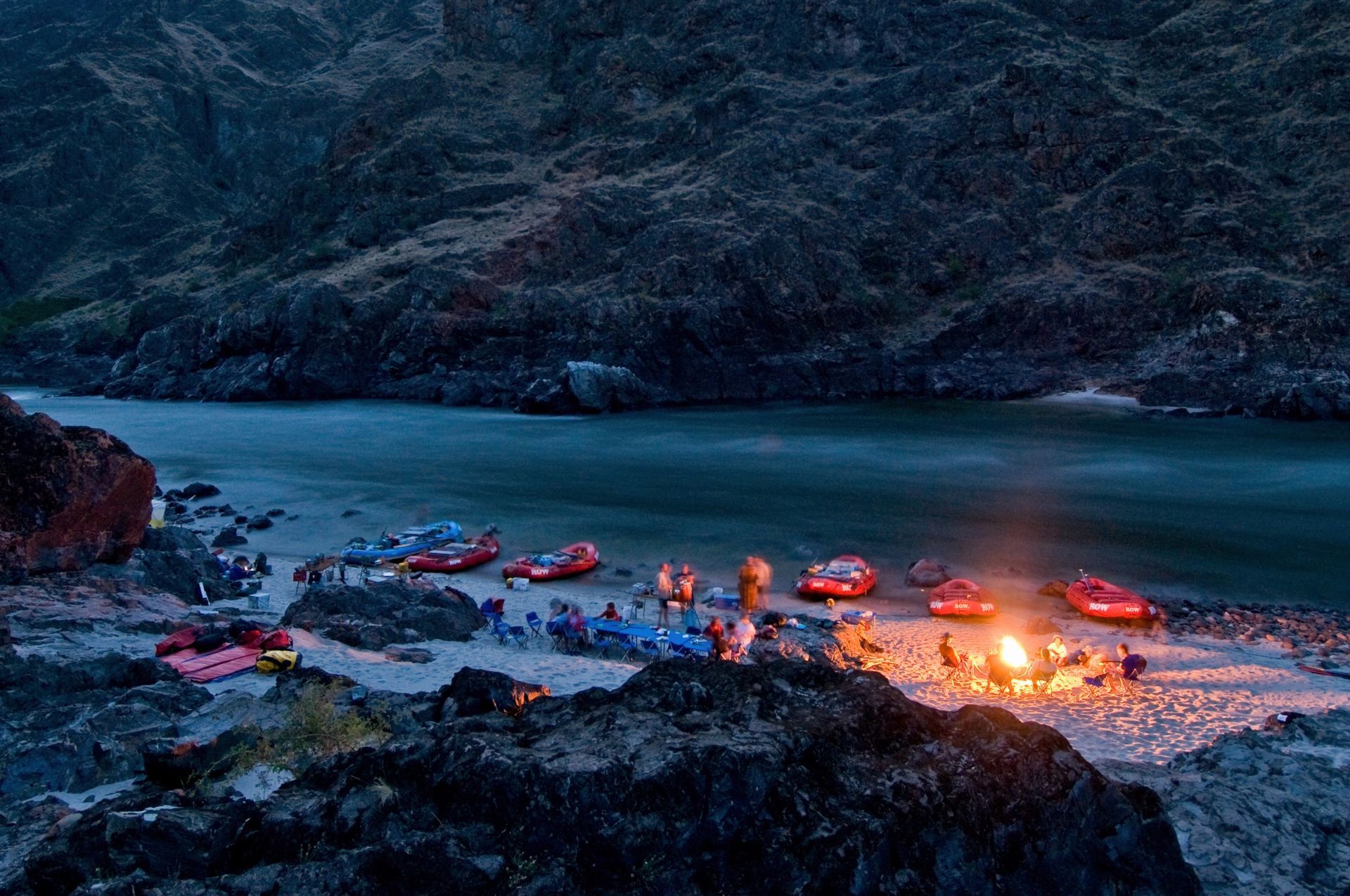
River campers gather around a glowing beach campfire at night

Evening

Dinner and dark skies


A fresh dinner, glowing canyons, and a cot beneath more stars than most people ever see at home.

Your Day at a Glance

Every trip follows this rhythm, but no two days are exactly alike. The river, the weather, and the canyon set the pace.

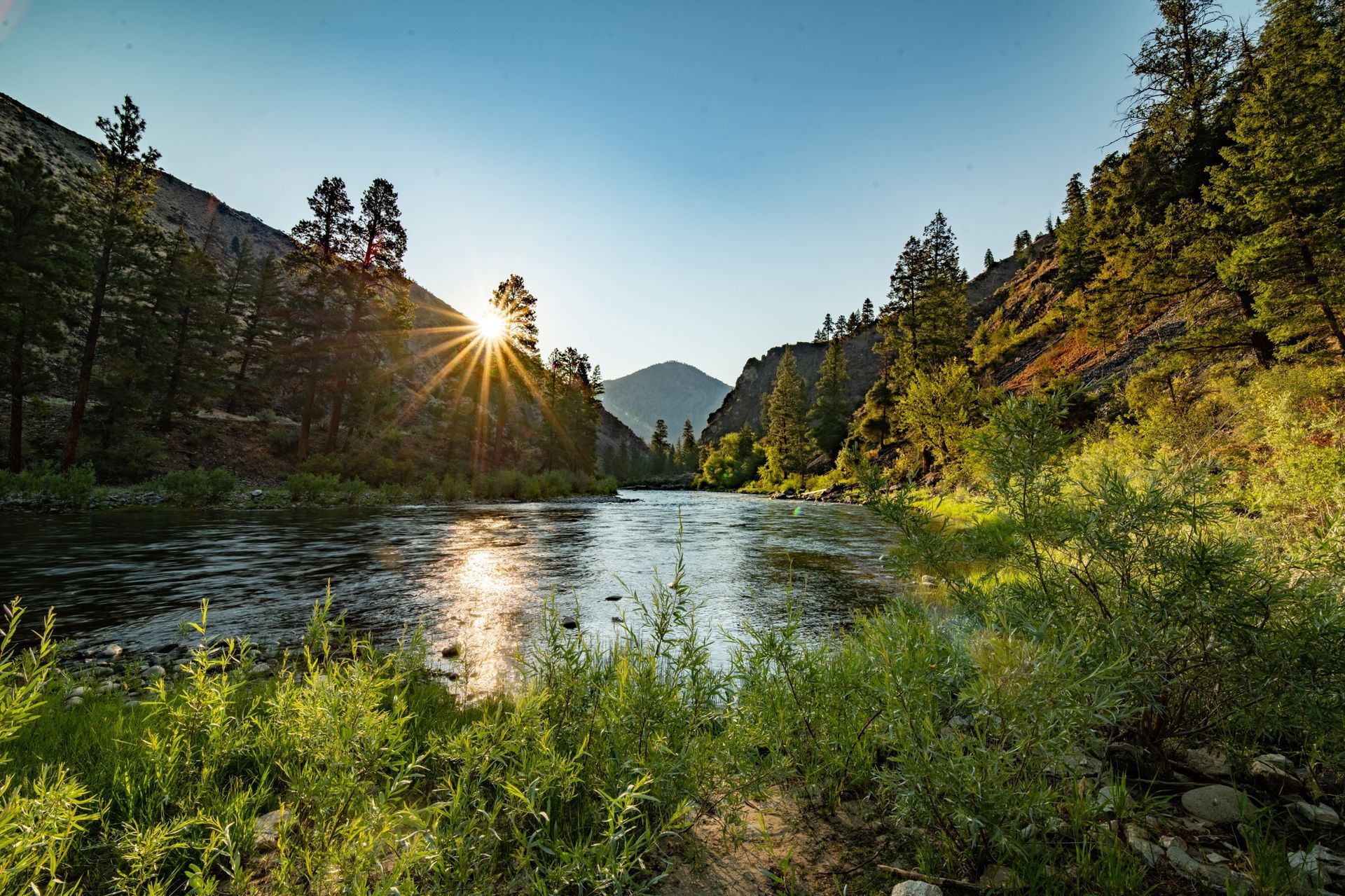
Morning sunlight reflected on the Middle Fork of the Salmon River

Morning

Morning begins with coffee and the sound of the river


The guides are usually moving before most guests are awake, heating water and getting breakfast started. Soon there is coffee, hot chocolate, and tea, a full breakfast, and the unmistakable feeling of another day beginning in a place very far from ordinary life.


You’ll pack the personal gear you used overnight, take down your cot or tent, and help move gear toward the boats when asked. You are not expected to arrive knowing how any of this works. Your guides explain the system, and what seemed unfamiliar on the first morning becomes surprisingly routine.


Before you launch, they’ll let you know what lies ahead: the general river miles, weather, notable whitewater, and some of the places you may have a chance to explore.


There is work happening all around you, but remarkably little that you have to manage yourself.

Your part is simple: Pack your personal bag, take down your cot or tent, and help with a short loading line when asked. The guides manage breakfast, the kitchen, the boats, the route, and the larger camp system.

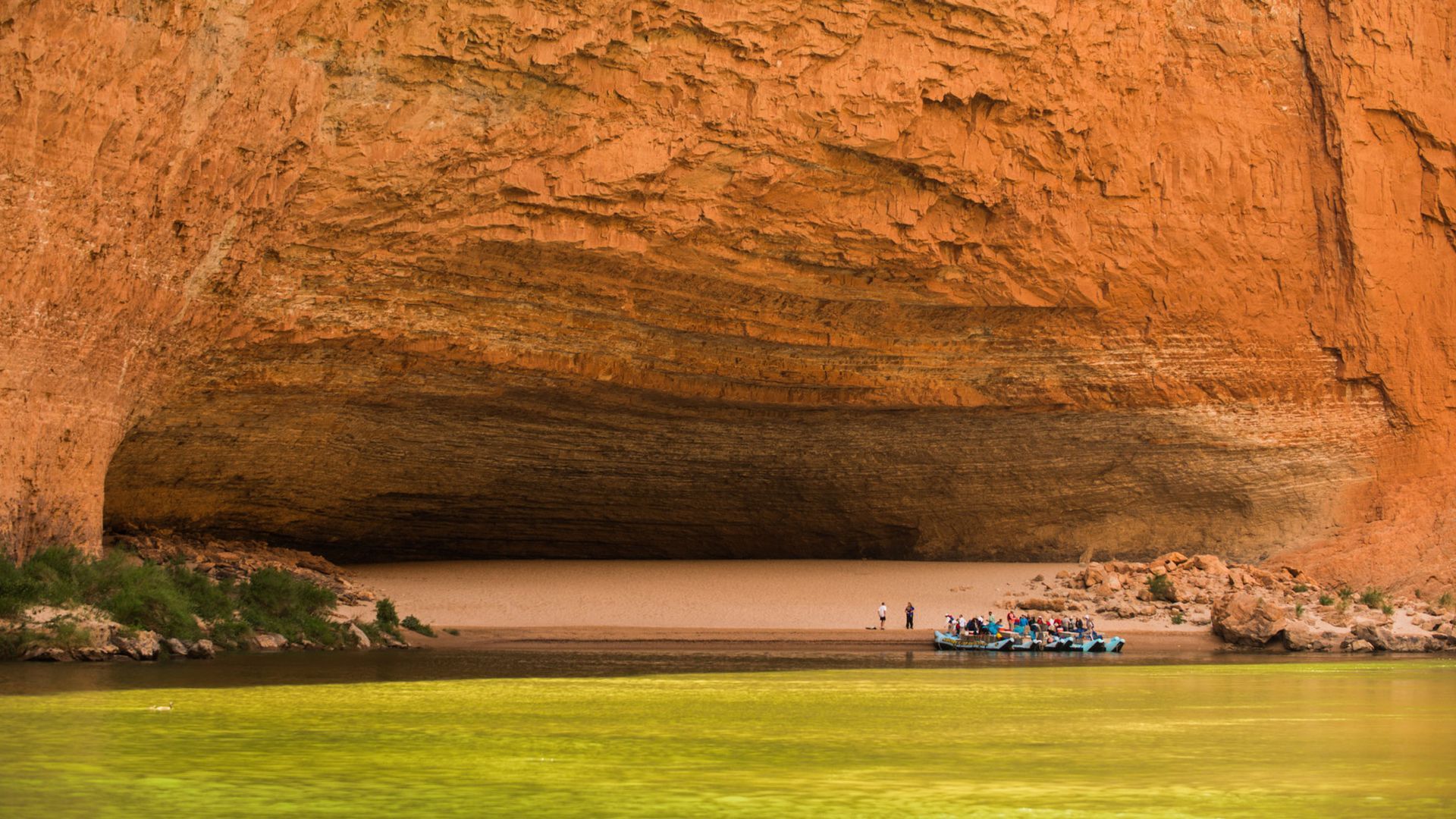
Rafts moored beside the broad sandy beach beneath Redwall Cavern

On the River

Whitewater is only part of the day


One of the biggest surprises for first-time rafters is that a river trip is not hours of nonstop rapids.

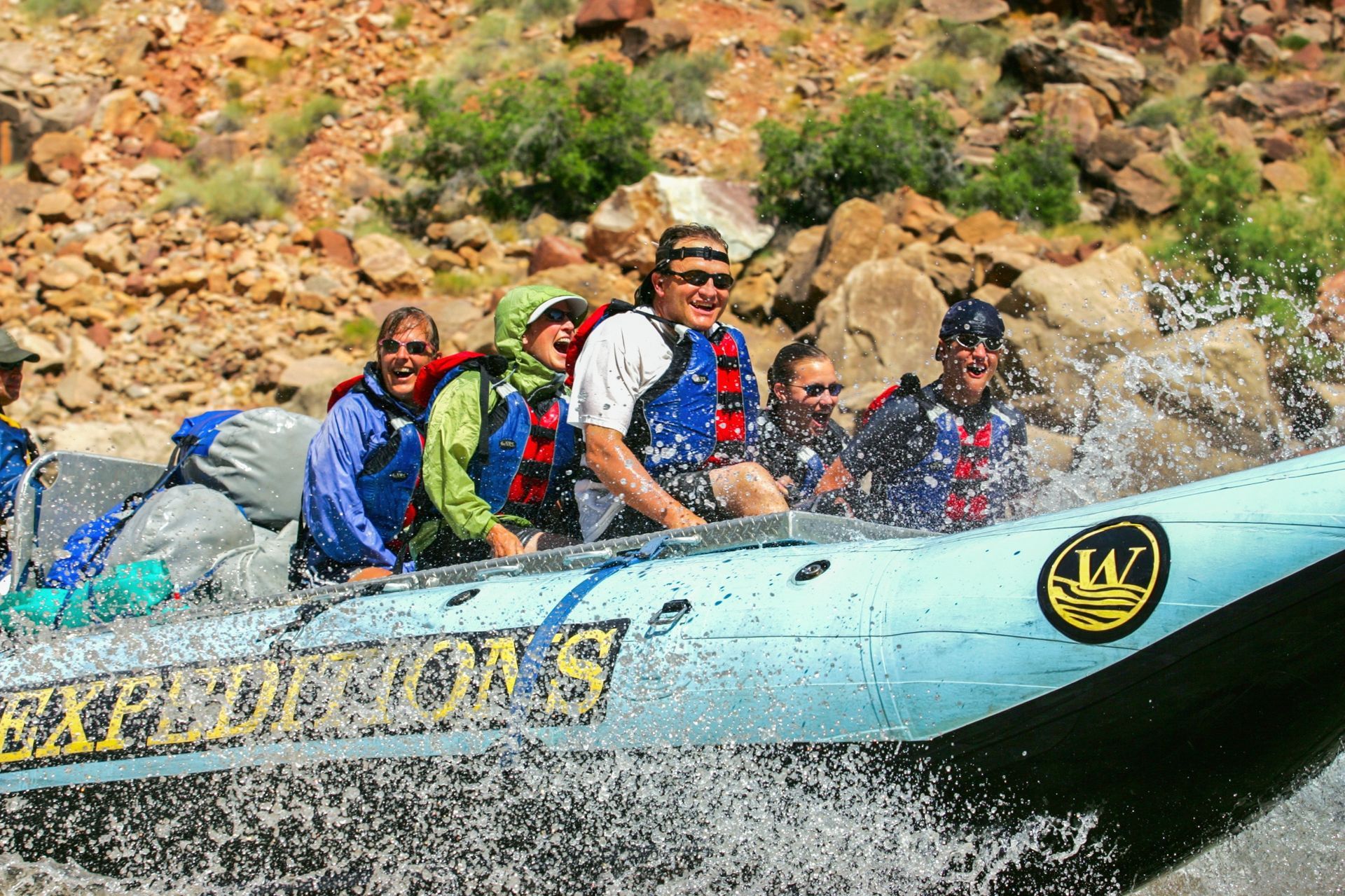
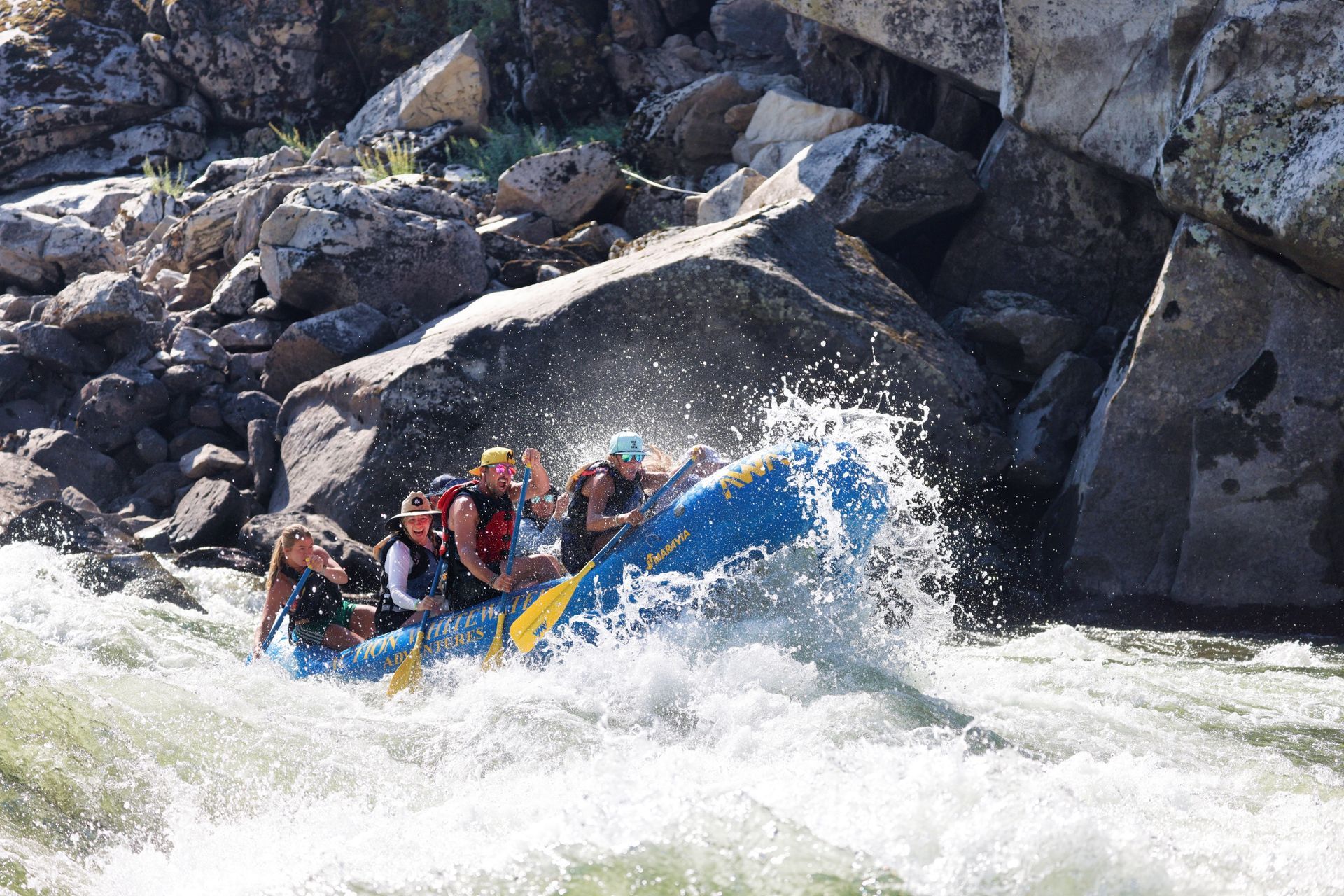
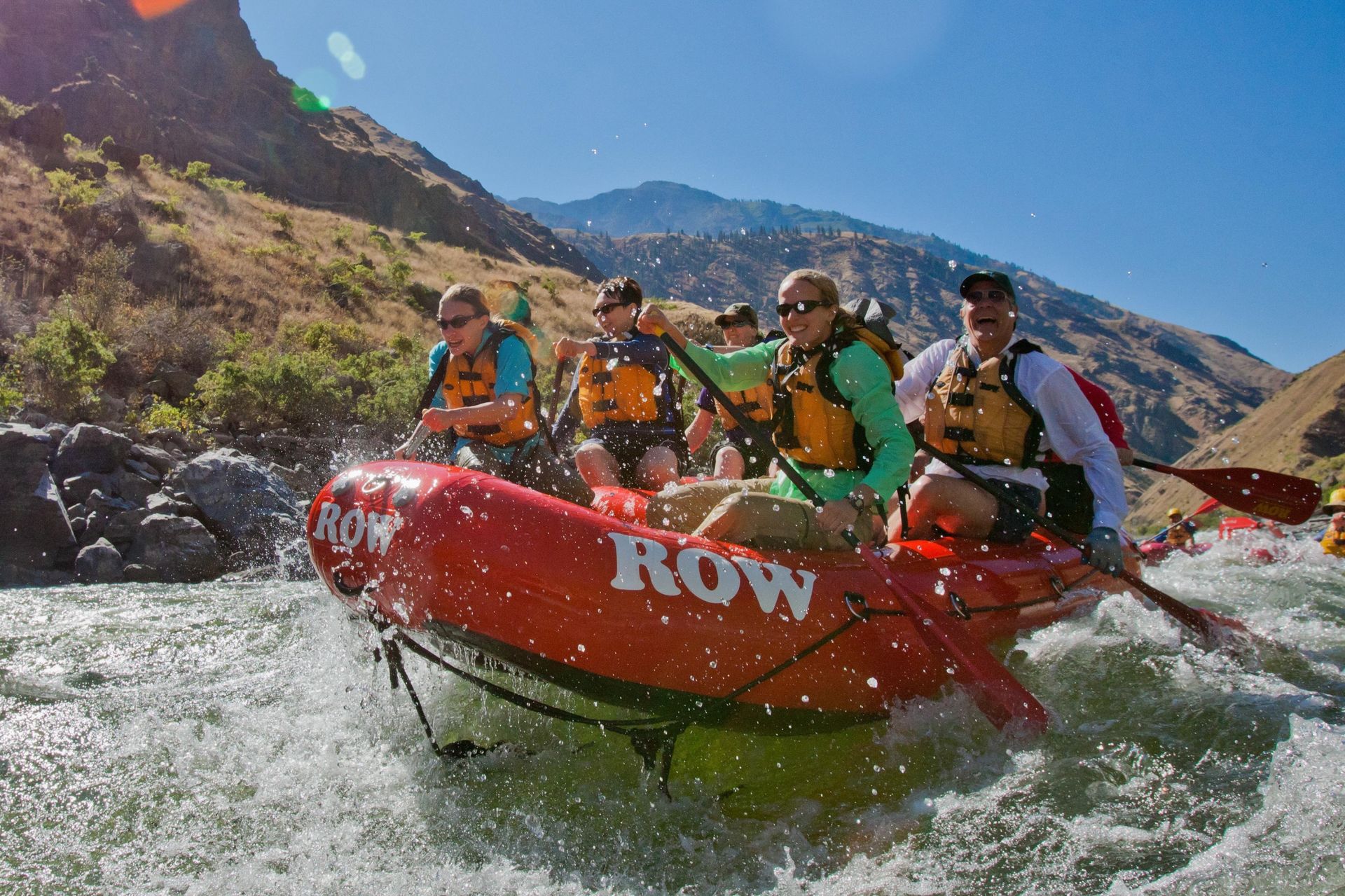
The river moves between stretches of whitewater, steady current and long periods of calm. A rapid may deliver the loudest, wettest and most exhilarating few minutes of the morning. Then, just as quickly, the canyon settles down again.


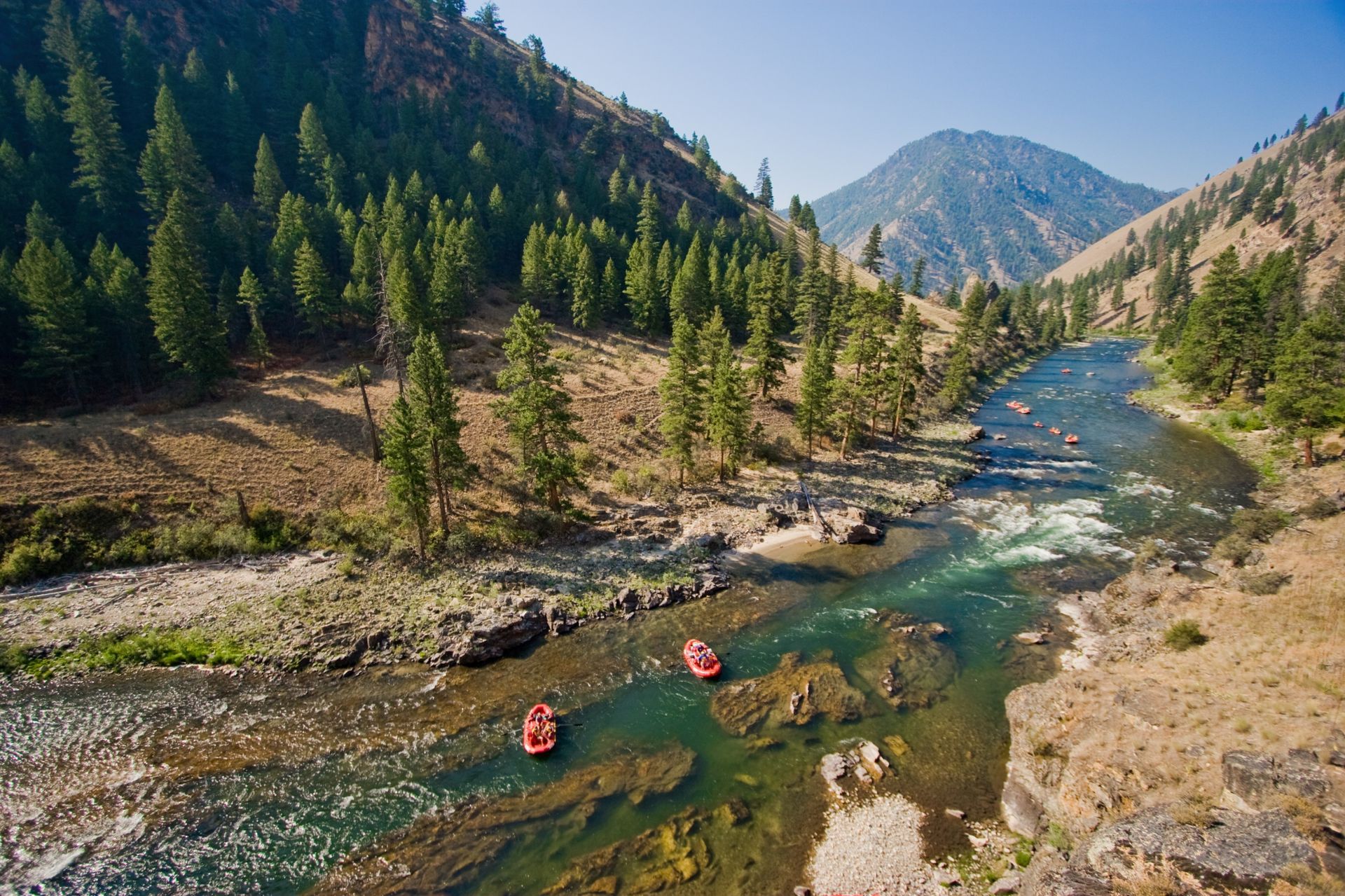
Those quieter stretches are not simply time between the exciting parts. They are when you start noticing how enormous the canyon walls really are. You talk with your guides and the people sharing the boat with you. You hear stories about the river, geology, history and the people who came through these places before you. Or you stop talking altogether and simply watch the landscape change around the next bend.


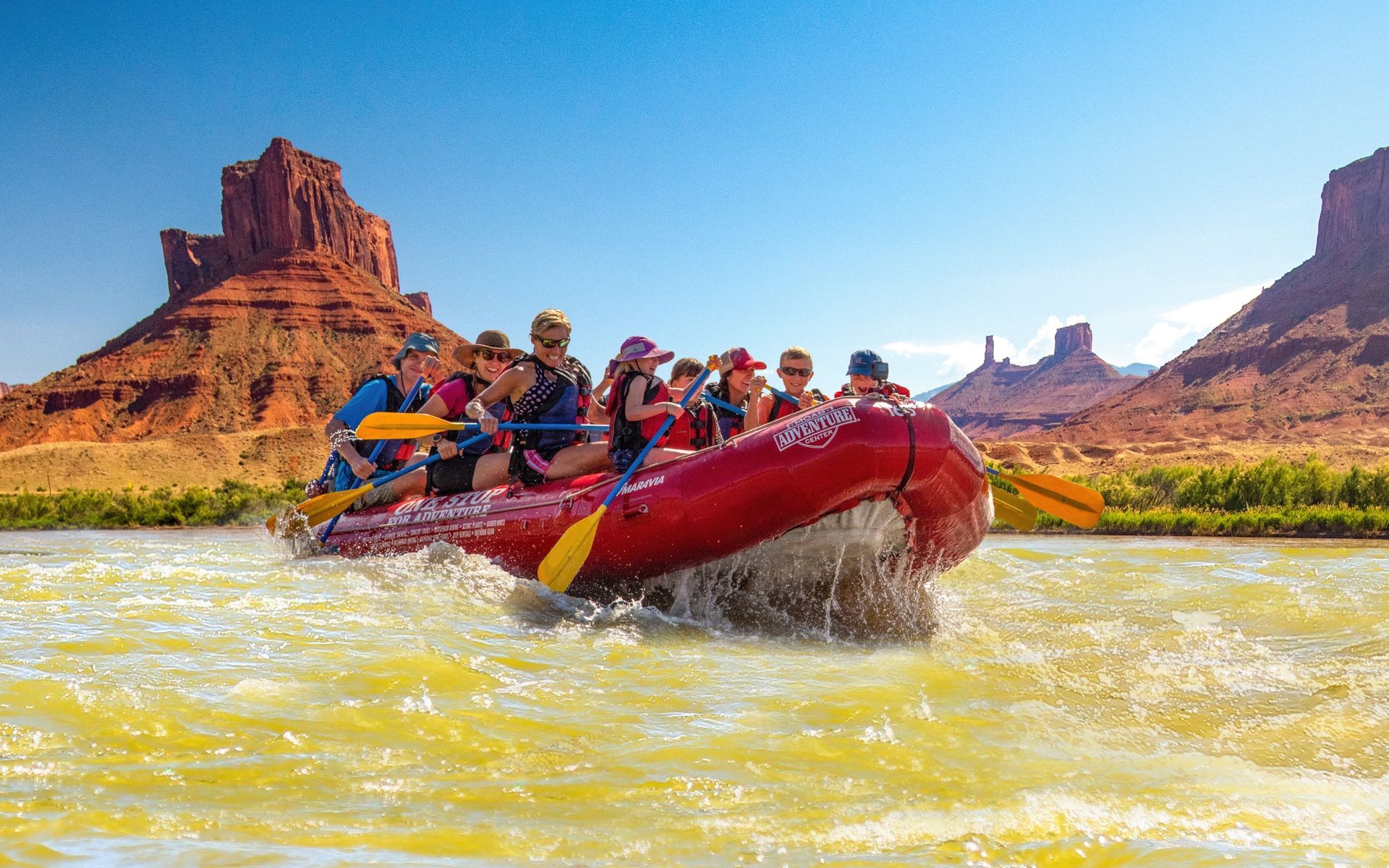
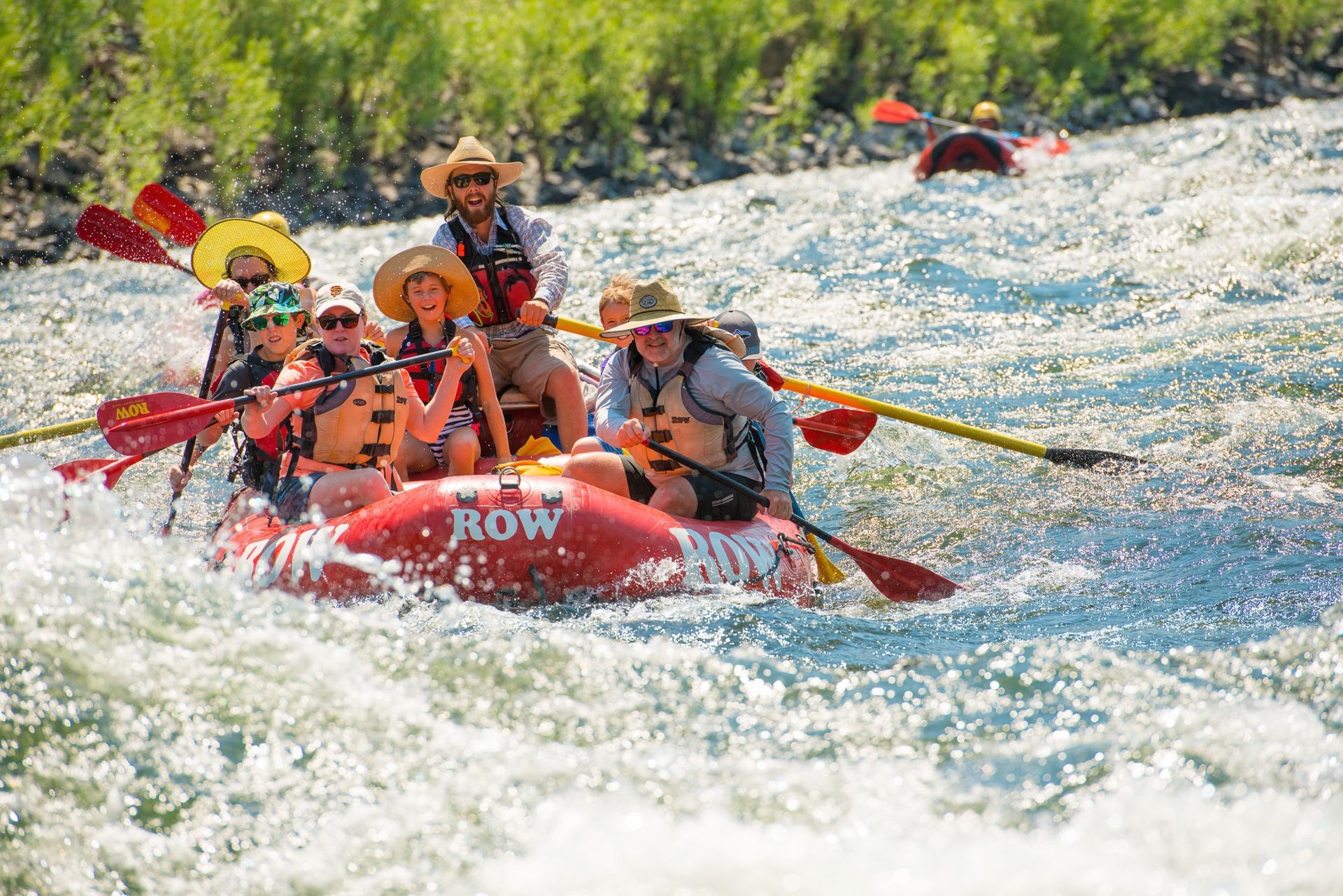
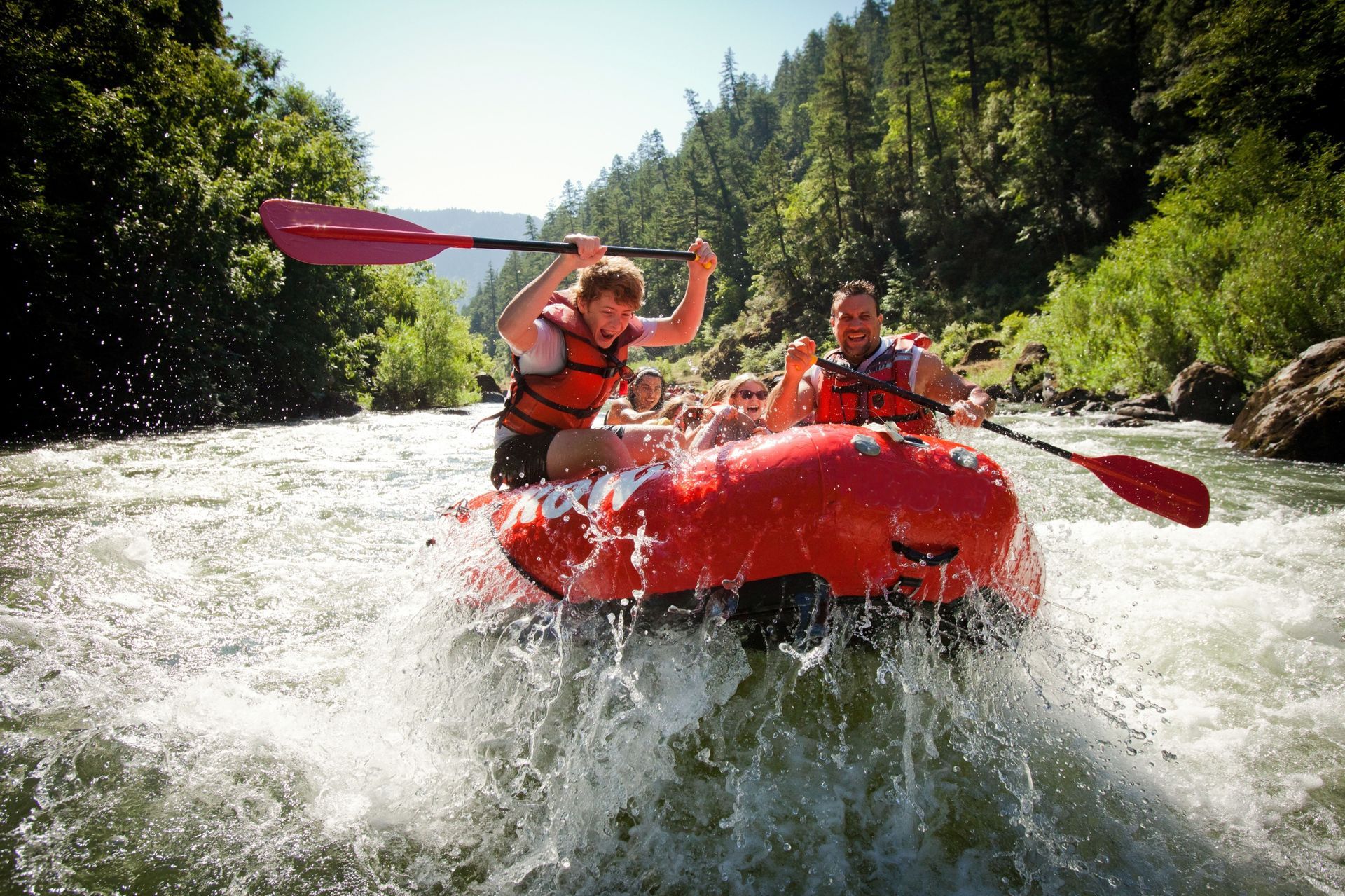
Depending on the river and boat style, there may be different ways to experience the ride. More active, wetter and closer to the action, or more relaxed when you want to sit back and take everything in.


You do not need previous rafting experience. Your guides explain what to expect before it matters, and the rhythm between anticipation, whitewater and calm becomes one of the great pleasures of the trip.

“It was the perfect blend of quiet and adventure.”

- Emily S. · Western River guest

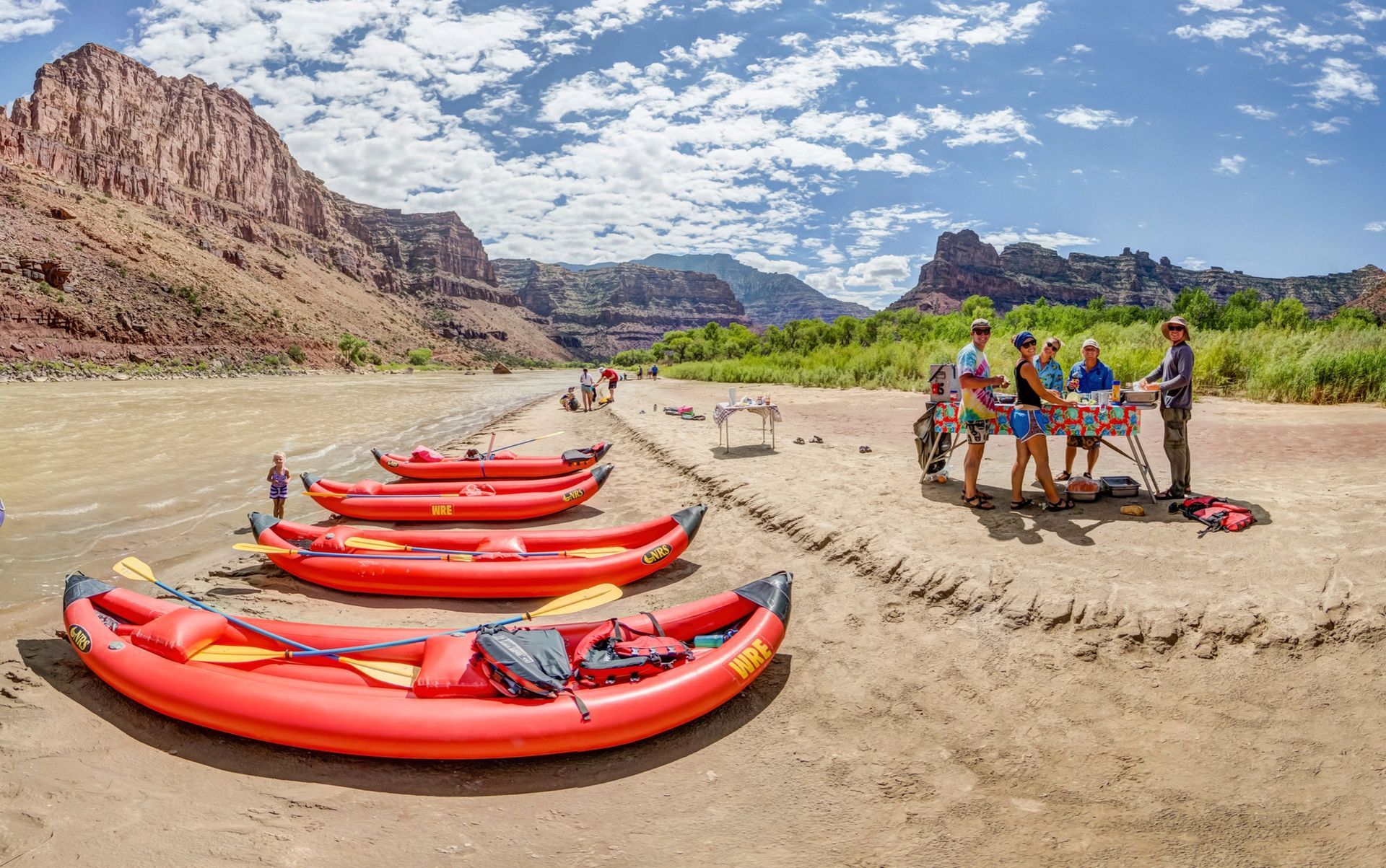
Inflatable kayaks pulled onto a Desolation Canyon beach beside a picnic lunch table

Midday

The stops turn a rafting trip into something much bigger


Some of the day’s most memorable moments begin when the boat noses into shore. Depending on the river, you might walk into a hidden side canyon, stand beneath a waterfall, soak in a natural hot spring, see petroglyphs or an old homestead, swim from a beach, or climb a short trail to a view.


Lunch is served riverside, often in a place you would never reach by road. Then the day may continue with a hike or return to the boats. Some days allow several stops. Other days require more river miles. That variety is why the trip feels full without feeling programmed.


Not every stop is strenuous. Guides explain the terrain before you start, help guests through awkward sections, and often provide different ways to participate. When an excursion is optional, staying near the boats is an acceptable choice.

The important distinction: The river is not simply transportation between camps. It is the route into places most travelers never see.

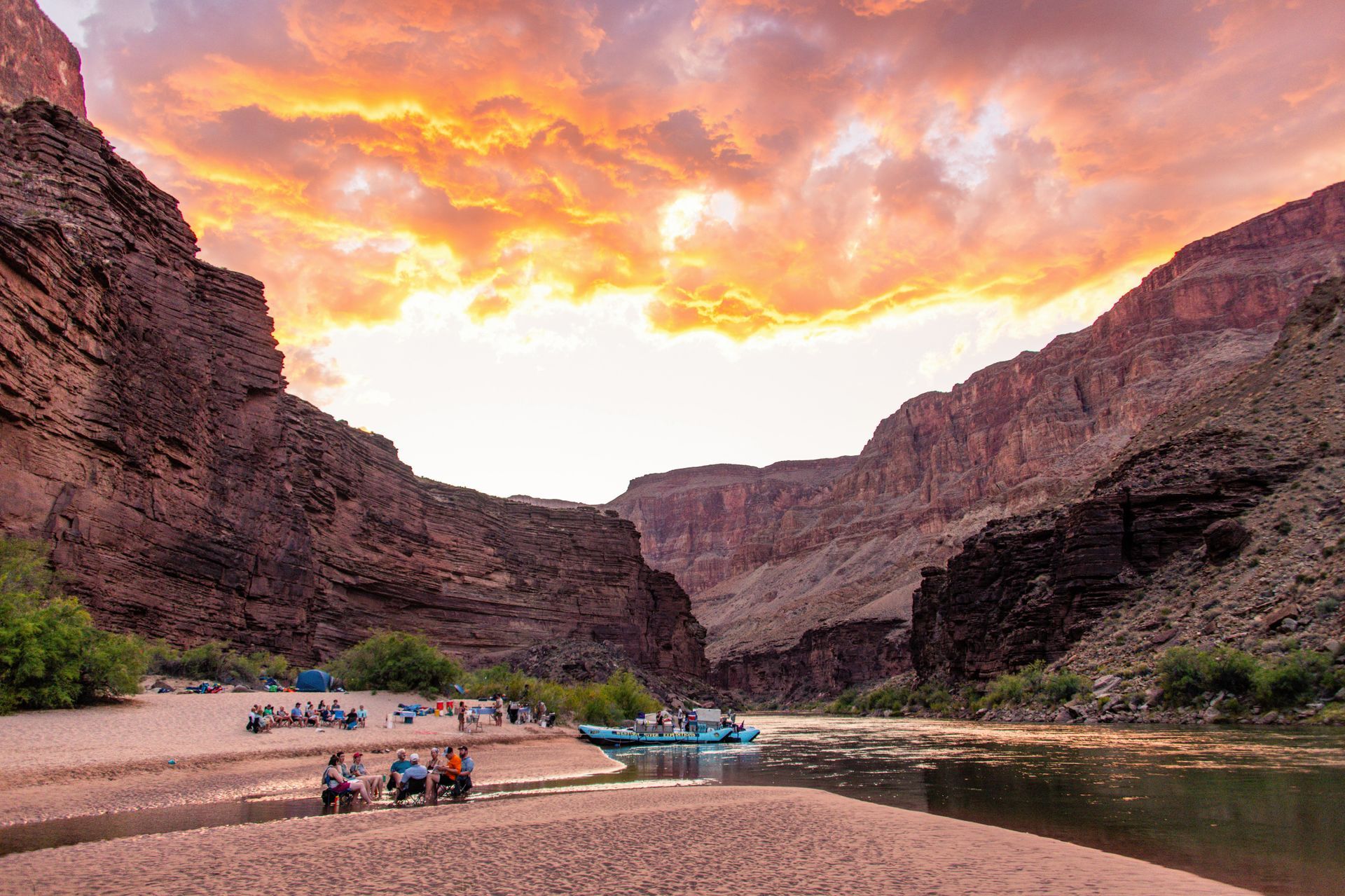
Sunset above a Grand Canyon beach camp and moored raft

Afternoon

By late afternoon, a new beach becomes home


You usually do not know exactly where you will sleep until the guides choose the best available camp. The boats pull into shore, everyone helps move personal gear and a few shared items off the boats, and the empty riverbank begins to look like home for the night.


You choose a sleeping spot and set up your sleeping gear, on most trips a cot and an optional tent. Meanwhile, the guides build the kitchen, organize the boats, set up the hand-washing and restroom systems, and begin preparing dinner.


Once your sleeping area is ready, the rest of the afternoon opens up. Swim when conditions allow. Put a chair near the water. Read. Talk with people who were strangers a day ago. Watch the guides somehow turn a pile of river gear into a working camp. Or do nothing at all. Time in camp quickly becomes one of the most rejuvenating parts of the whole trip.

“The logistics of the trip were well thought out and completely dialed in.”

- Becky L. · Ottawa, Canada

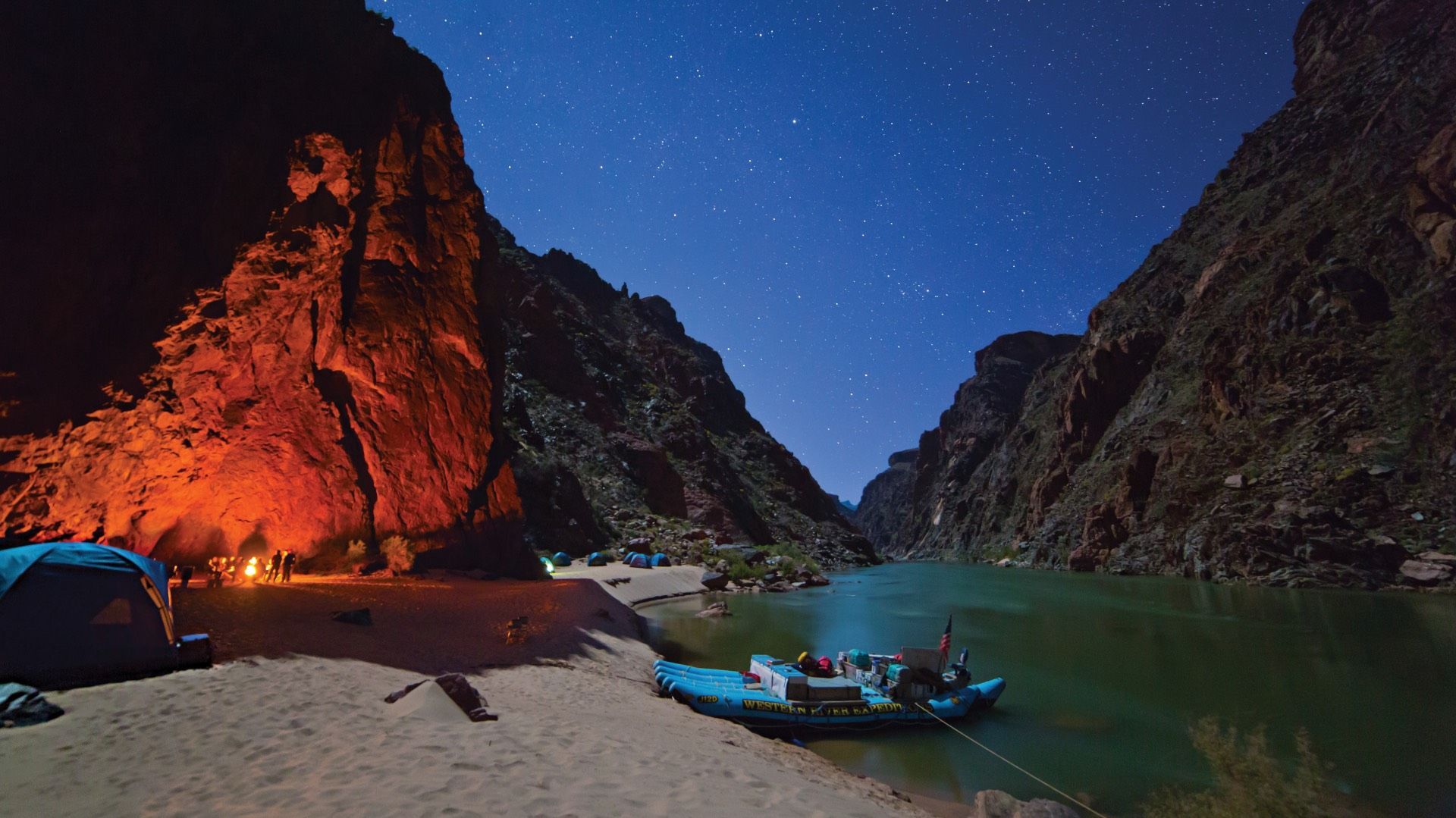
A campfire illuminates Grand Canyon cliffs beside rafts at a river camp at night

Evening

Dinner is the main event, until the stars come out


The food is one of those things we can describe before your trip, but guests still seem surprised by it once on the river. Dinner is prepared fresh in camp and is the moment everyone gathers again. There may be appetizers, a hearty main course, fresh sides and a Dutch-oven dessert, all prepared by your guides.


After dinner, there might be a story, music or a little lingering conversation as the canyon grows quiet.


The light disappears from the canyon walls. The first stars appear. Then hundreds more.


On most trips you sleep on a cot beneath the open sky, with a tent available when you want one. A few Idaho trips use tents and sleeping pads instead, and your guides set those up for you. Even people who arrive convinced they are “not campers” often discover that this is one of the parts they remember most vividly.


There is something deeply satisfying about ending a day tired from sun, water, fresh air, and new experiences rather than from airports, schedules, and screens.


And tomorrow, you wake up and get to do it again somewhere entirely new.

What guests mention afterward: The meals are much better than they expected. The stars are difficult to describe. The relationships form faster than anyone planned.

You are part of the experience


The trip feels better when everyone lends a hand, but your river guides carry the operational load. This is the clearest way to answer the concern many first-time rafters and non-campers are trying to resolve.

What guests typically do


  • Pack personal gear each morning
  • Carry a bag and your sleeping gear back to the boats
  • Help pass gear to or from the boats when asked
  • Set up your sleeping area, a cot on most trips
  • Follow guide instructions around boats, camp, and hikes
  • Choose how actively to participate in optional activities

What the guides manage


  • Navigation, route decisions, and rapid preparation
  • Camp selection and the group gear system
  • Breakfast, lunch, dinner, snacks, and drinking water
  • Kitchen, hand-washing, and restroom systems
  • Boat loading, securing equipment, and daily logistics
  • Adapting the plan as river and weather conditions change

What changes from one river trip to another


The broad rhythm is consistent. The proportions are not. Four things determine what a “typical” day feels like on a specific trip.

01

The Boat


A motorized J-Rig covers more river in a day. Oar boats move at a different pace. Paddle rafts and inflatable kayaks add a more active option on certain trips.

02

The Whitewater


Some rivers spread rapids throughout the day. Others build toward a concentrated whitewater section. Water level and season change the ride.

03

The Exploration


Grand Canyon side canyons, Idaho hot springs, Utah petroglyphs, historic sites, waterfalls, and swimming beaches create a different mix.

04

The Pace


Some trips cover more miles. Others leave more room for beaches, swimming, hiking or time in camp. Some are built for younger families, others for older groups.

Decorative sun divider

Choose the rhythm that fits you

See every trip side by side: whitewater, pace, minimum ages, boat style, off-river highlights, and camping or lodge accommodations.

Grand Canyon

Helicopter into the Lower Grand Canyon for three days of whitewater, hikes, and desert nights. Then continue downstream by jet boat to Pearce Ferry.

  • Begins: Las Vegas
  • Best for: Shorter trip
  • Rapids: 16 Class II-III
  • Ages: 9+
Grand Canyon

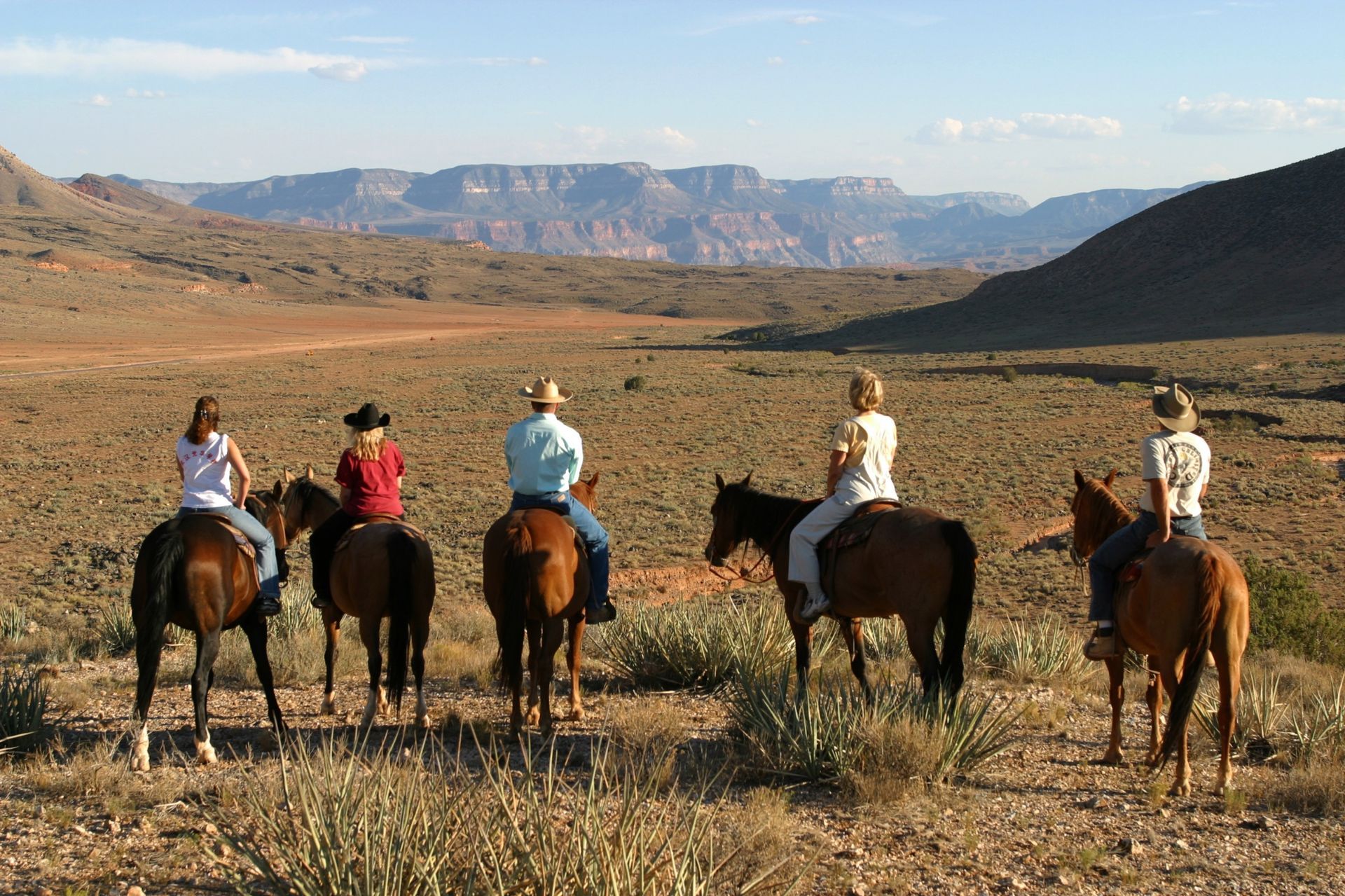
One night at Bar 10 Ranch with horseback riding and cowboy BBQ, then helicopter into the Lower Grand Canyon for three days of whitewater rafting and exploration.

  • Begins: Las Vegas
  • Best for: River + Ranch
  • Rapids: 16 Class II-III
  • Ages: 9+
Grand Canyon

Six days in the Grand Canyon. Run Crystal Rapid and Lava Falls, hike hidden side canyons, sleep on beaches no road will ever reach, and helicopter out of the canyon.

  • Begins: Las Vegas
  • Best for: Rapids & Hiking
  • Rapids: 60+ Class III-V
  • Ages: 12+
Grand Canyon

Seven days exploring 188 miles of the Grand Canyon. Run famous rapids, hike hidden side canyons, camp beneath the stars, and helicopter out of the canyon.

  • Begins: Las Vegas
  • Best for: Extended Vacation
  • Rapids: 60+ Class III-V
  • Ages: 12+
Utah

Raft 95 miles of the Colorado River in two days. Run the legendary Big Drops and sleep beside the river in Canyonlands National Park before a shuttle back to Moab.

  • Begins: Moab, Utah
  • Best for: Quick Thrills
  • Rapids: 30+ Class III-V
  • Ages: 12+ 
Utah

Raft through Canyonlands National Park, run the legendary Big Drops, and camp beside the Colorado River beneath the stars. Return to Moab on a scenic flight.

  • Begins: Moab, Utah
  • Best for: Whitewater
  • Rapids: 30+ Class III-V
  • Ages: 12+ (10+ Jul–Sep)
Utah

The Green River through ancient, winding canyons, milder rapids, broad sandy beaches, rich history, and a stunning scenic flight to the river's edge.

  • Begins: Moab, Utah
  • Best for: Families
  • Rapids: 60+ Class I-III
  • Ages: 5+
Utah

Experience an overnight Colorado River rafting trip, a guided tour of Arches National Park, an off-road adventure on Hell's Revenge, and two nights at the Marriott.

  • Begins: Moab, Utah
  • Best For: Variety (3 trips)
  • Rapids: 6 Class I-III
  • Ages: 5+
Idaho

Five days on Idaho’s Main Salmon, playful rapids, sandy beaches, and warm river days, with time to unwind, explore, and soak in the rhythm of a true wilderness escape.

  • Begins: Boise or Salmon, ID
  • Best for: Rapids & beaches
  • Rapids: 50 Class II-IV
  • Ages: June 12+ Jul/Aug 6+
Idaho

Six days on the Middle Fork of the Salmon. Clear water, hot springs, and thrilling rapids, winding through one of the most pristine wilderness rivers in the country.

  • Begins: Stanley/Salmon, ID
  • Best for: Rapids & fishing
  • Rapids: 100+ Class III-V
  • Ages: June 12+ Jul/Aug 7+
Idaho

Five days on the Lower Salmon, with warm water, playful rapids, and sandy beaches for swimming and relaxing. Family Magic departures add special activities for kids.

  • Begins: Lewiston, ID
  • Best for: Families & sunshine
  • Rapids: 56 Class II-III
  • Ages: July 1-15 10+ Jul/Aug 5+
Idaho

Five days on the Snake River through Hells Canyon, the deepest river gorge in North America, with powerful rapids, towering basalt walls, and rich Nez Perce history.

  • Begins: Cambridge, ID
  • Best for: Rapids & beaches
  • Rapids: 40+ Class III-IV
  • Ages: June 12+ Jul/Aug 8+
Oregon

Three or four days on the Rogue River with lodge-to-lodge comfort, over 35 Class III–IV rapids, and wildlife, finishing with a shuttle back to Merlin.

  • Begins: Merlin, OR
  • Best for: Lodge to Lodge
  • Rapids: 35+ Class II-IV
  • Ages: 7+
Costa Rica

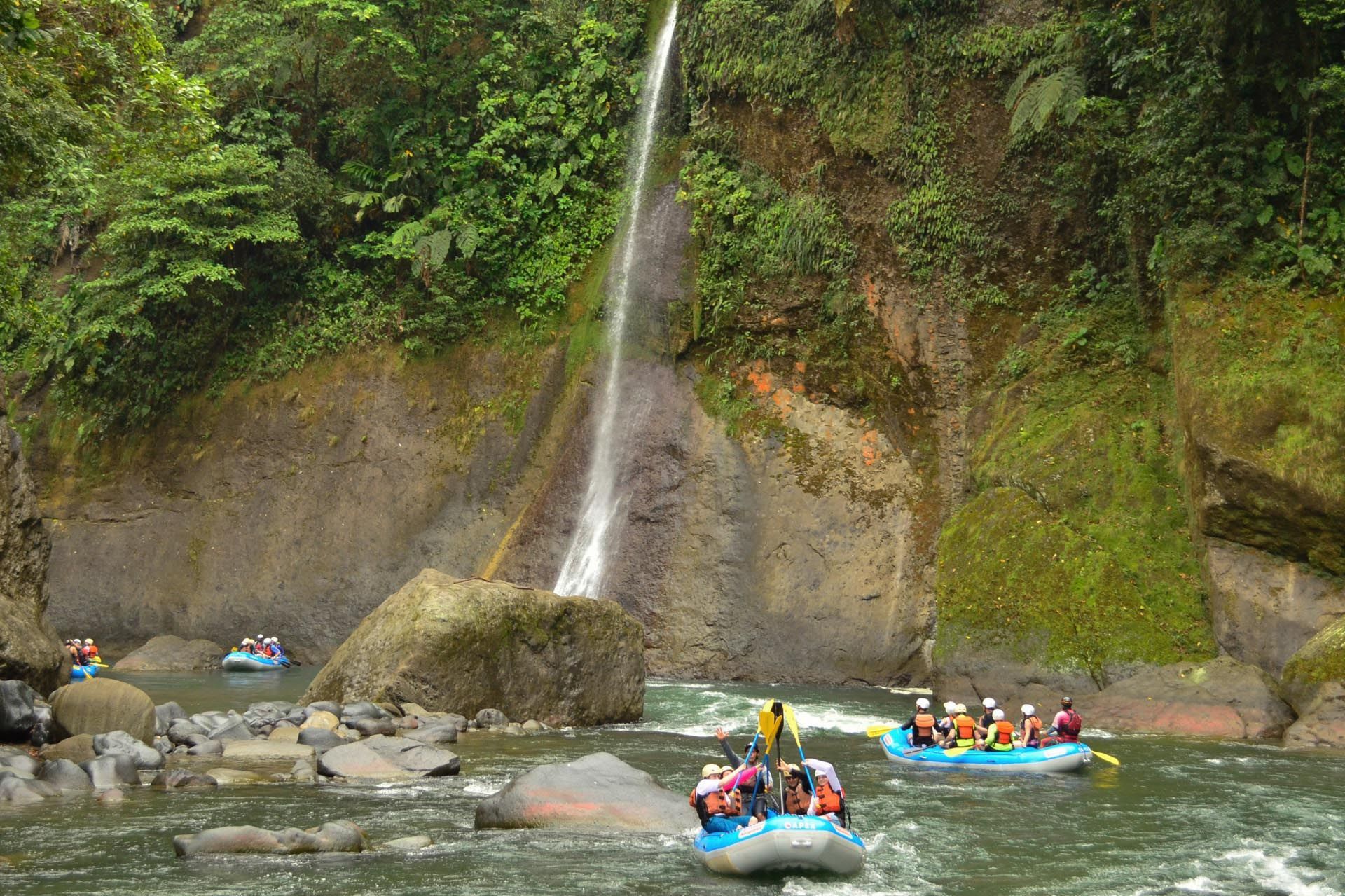
Nine spectacular days across Costa Rica: raft the Pacuare River to a jungle eco-lodge, soak in Arenal's hot springs, and finish on Manuel Antonio's beaches.

  • Begins: San Jose, CR
  • Best for: Tropical, variety
  • Rapids: 30+ Class III-V
  • Ages: 7+

First and Last Days on the River


The rhythm described above applies to the middle of a multi-day trip. Day one includes meeting the group, traveling to the put-in, orientation, fitting gear, loading, and usually some time on the river. The final day includes the last river miles, take-out, and the return journey.


Depending on the trip, those travel days may include a shuttle, scenic flight, helicopter, jet boat, or a stay at a ranch or hotel. Exact meeting and return times matter when you plan flights and lodging, so each individual trip page and pre-trip packet should remain the source of truth.

Still wondering about sleeping, bathrooms, meals or what to pack?

Almost everyone has a few practical questions before their first multi-day river trip. What does the bathroom actually look like? Do I need a tent? How comfortable is a cot? What happens if the weather changes? What should I bring, and what can I leave at home?

We answer all of those questions in our complete guide to camping on the river, so you can know what to expect before you arrive.

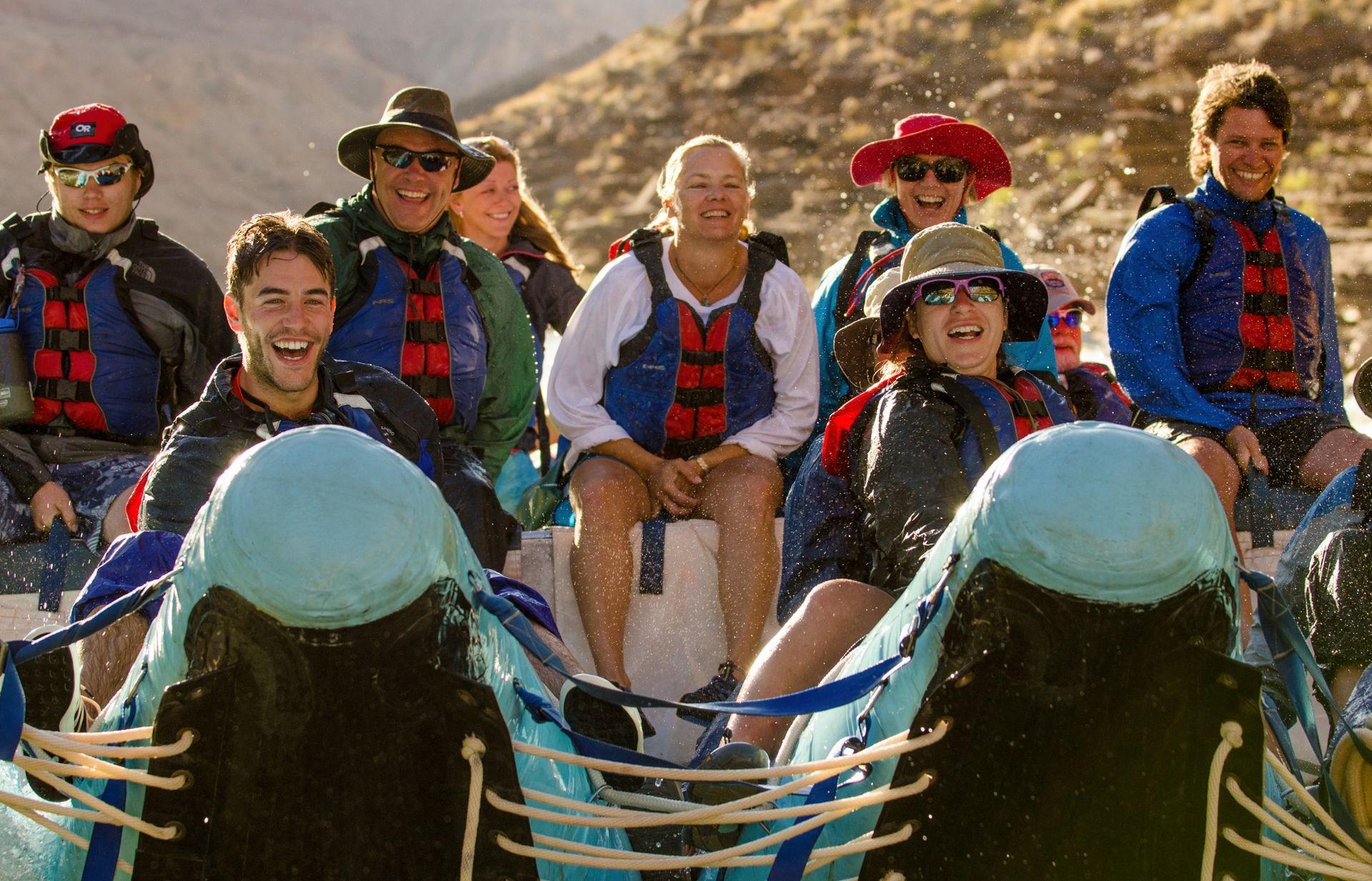
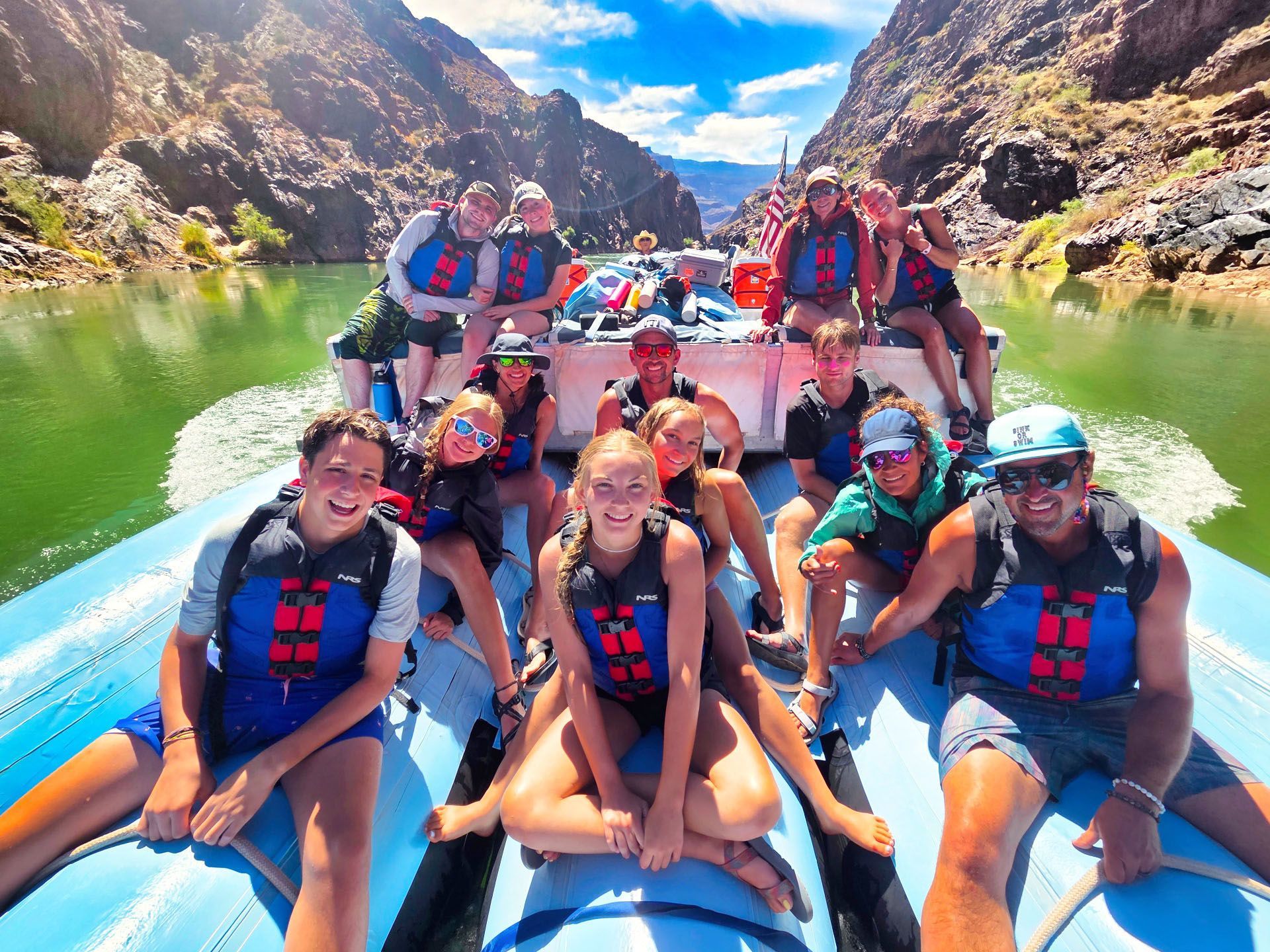
A group of people sit on a J-Rig raft, smiling and relaxing on a calm stretch of river.

By the second day, most guests stop wondering what time it is.

A multi-day river trip is not memorable because every minute is packed with activity.


It is memorable because somehow each day contains just enough: adventure, quiet, discovery, good food, connection, and the feeling that you are exactly where you want to be.

Request Your Free Trip Catalog


Explore our complete collection of rafting adventures across the Grand Canyon, Utah, Idaho, and Oregon. This full-color catalog includes detailed trip overviews, sample itineraries, maps, and planning guidance to help you compare destinations and choose the experience that’s right for you.

Western River Expeditions trip catalog cover