CATARACT CANYON, UTAH
Best Time to Raft Cataract Canyon: Weather & Water
The best time to raft
Cataract Canyon depends on the experience you want.
- Choose May or June for Cataract Canyon’s biggest and most powerful whitewater, keeping in mind that water temperatures are colder.
- Choose July or August for hotter days, warmer water and departures that may accommodate younger family members.
- Choose September for milder temperatures, warm water and a quieter end to the rafting season.
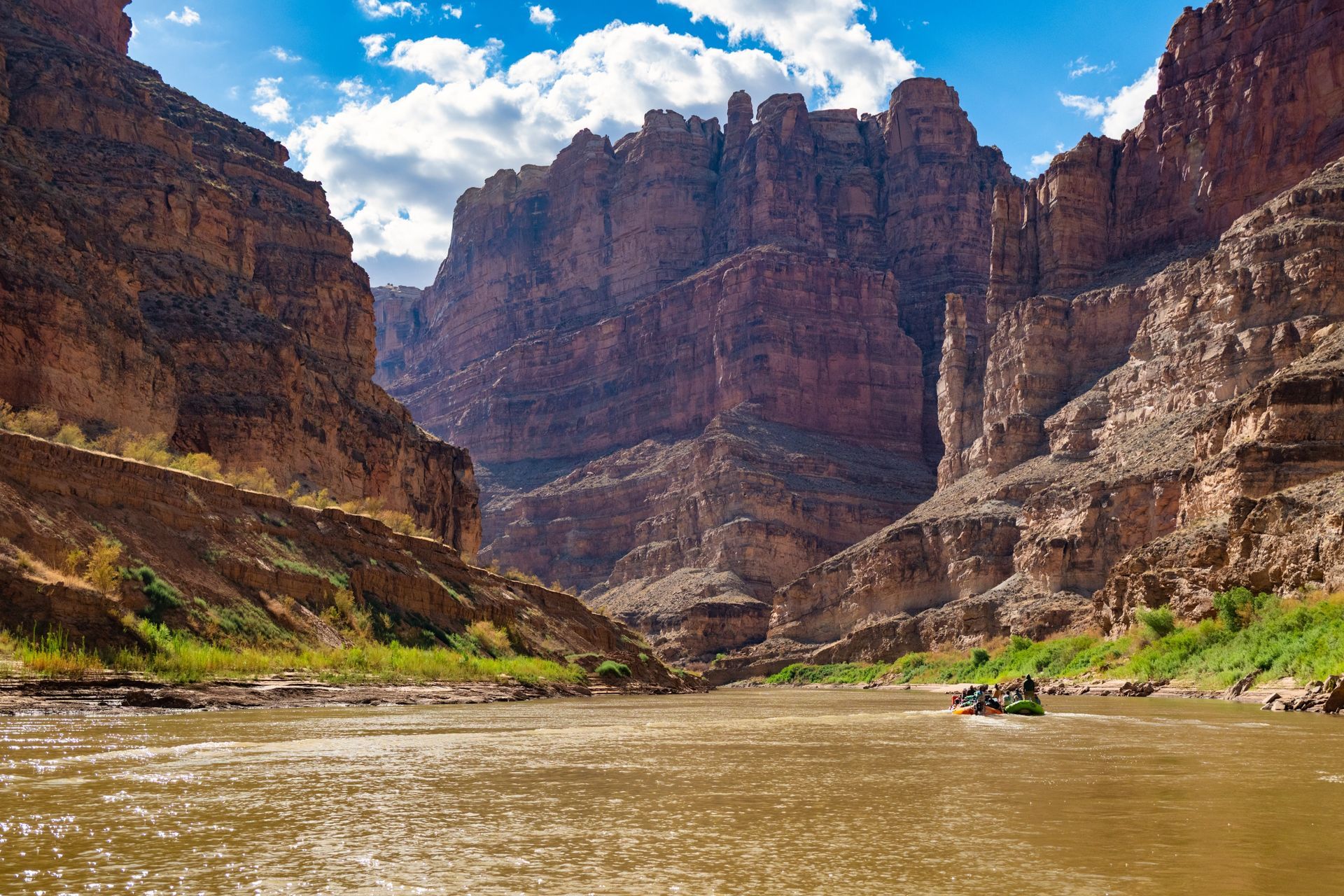
There is no single month that is best for everyone. High-water Cataract and late-summer Cataract can feel like two different river trips, and both travel the same remarkable 95-mile stretch of the
Colorado River through Canyonlands National Park. Below, you can compare monthly weather, river conditions, water temperatures and find the best time to explore one of the top rafting destinations in the world.
Best Month to Raft Cataract Canyon: Air Temperatures & Precip
The best time to raft Cataract Canyon depends on the experience that sounds best to you: powerful spring whitewater, warm summer days cooled by the river, milder fall temperatures, or a departure that works for younger family members.
| MONTH | AVG HIGH / LOW (°F) | RIVER WATER | AVG MONTHLY PRECIPITATION (INCHES) | WHAT IT FEELS LIKE | WHY CHOOSE IT |
|---|---|---|---|---|---|
| MAY | 84° / 49° | Cold, rising | 1.1 | Mild days, cool mornings and building whitewater | Comfortable weather with the river growing stronger |
| JUNE | 98° / 58° | Cold, peak runoff | 0.1 | Warm air, refreshing waves and the season’s biggest water | Cataract Canyon at its most powerful |
| JULY | 100° / 62° | Warming | 1.2 | Hot days cooled by the river, defined rapids and summer storms | Warmer-water fun, exciting whitewater and family departures |
| AUGUST | 99° / 61° | Warmer | 0.8 | Warmer water, refreshing rapids and dramatic summer skies | Somewhat milder rapids & monsoon season |
| SEPTEMBER | 86° / 50° | Warmer, lower flows | 0.8 | Mild days, crisp mornings and well-defined rapids | Comfortable temperatures and a relaxed river rhythm |
Why Cataract Canyon Water Levels Change
Cataract Canyon begins below the Confluence, where the Green River and Colorado River combine in Canyonlands National Park. Snowmelt typically pushes the river toward its highest, coldest and most powerful flows in May or June. By mid-summer, the water usually drops, warms and forms more defined channels between the exposed boulders.
The experience changes with the river, but the thrill does not necessarily disappear. During high water, larger rafts are matched to bigger, more powerful waves. As flows drop, smaller paddle boats may become available, putting guests closer to the water and making each rapid feel more thrilling. Rapids also change at each water level. A rapid that is smaller at high water levels may be much larger at lower water levels, and vice versa.
J-Rig Raft & Snout rig
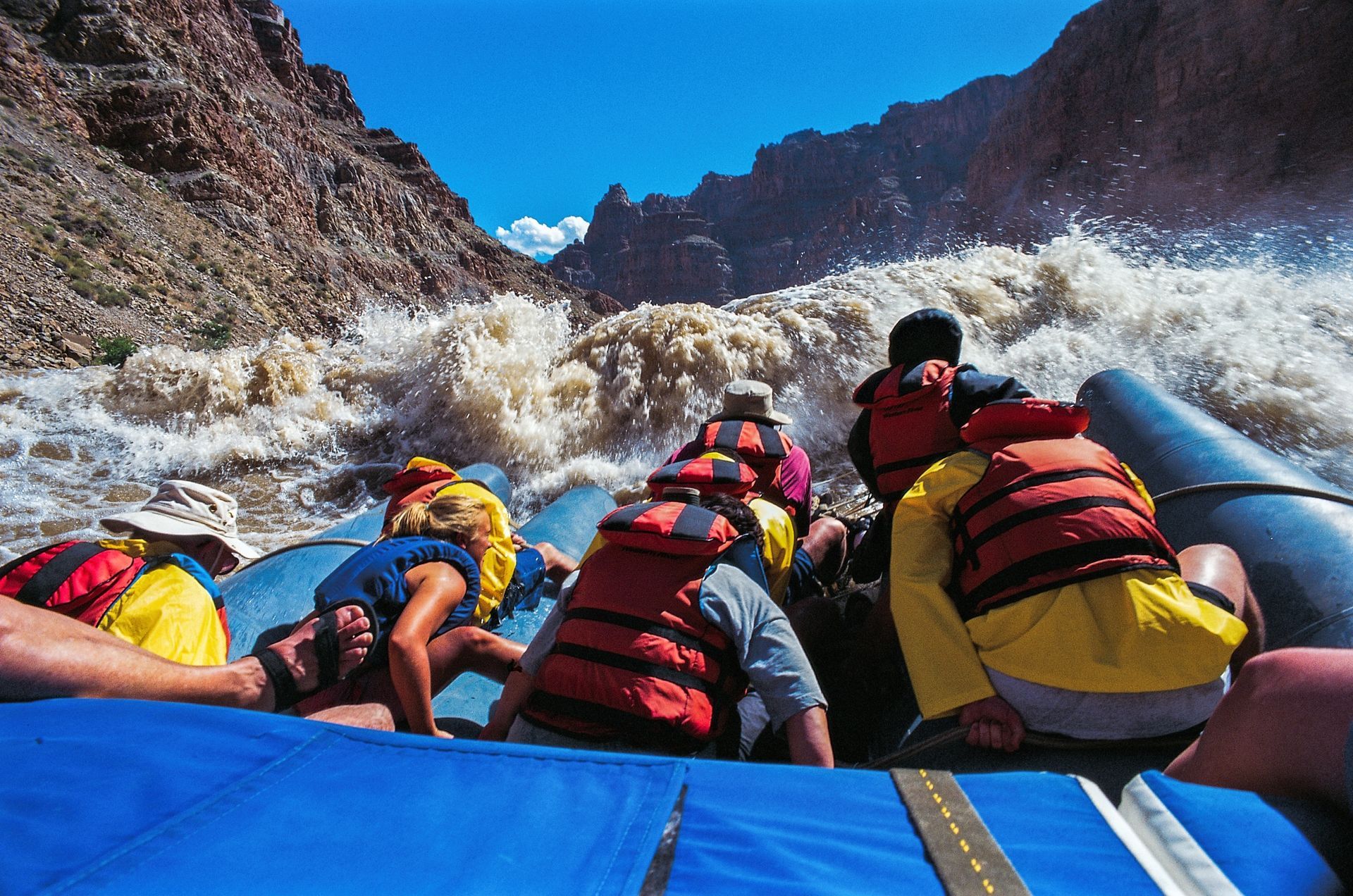
Used during the highest flows, the J-Rig (4-day) and Snout Rig (2-day) matches Cataract Canyon’s biggest water with a larger, more stable platform built to carry guests confidently through powerful waves.
Oar Boat
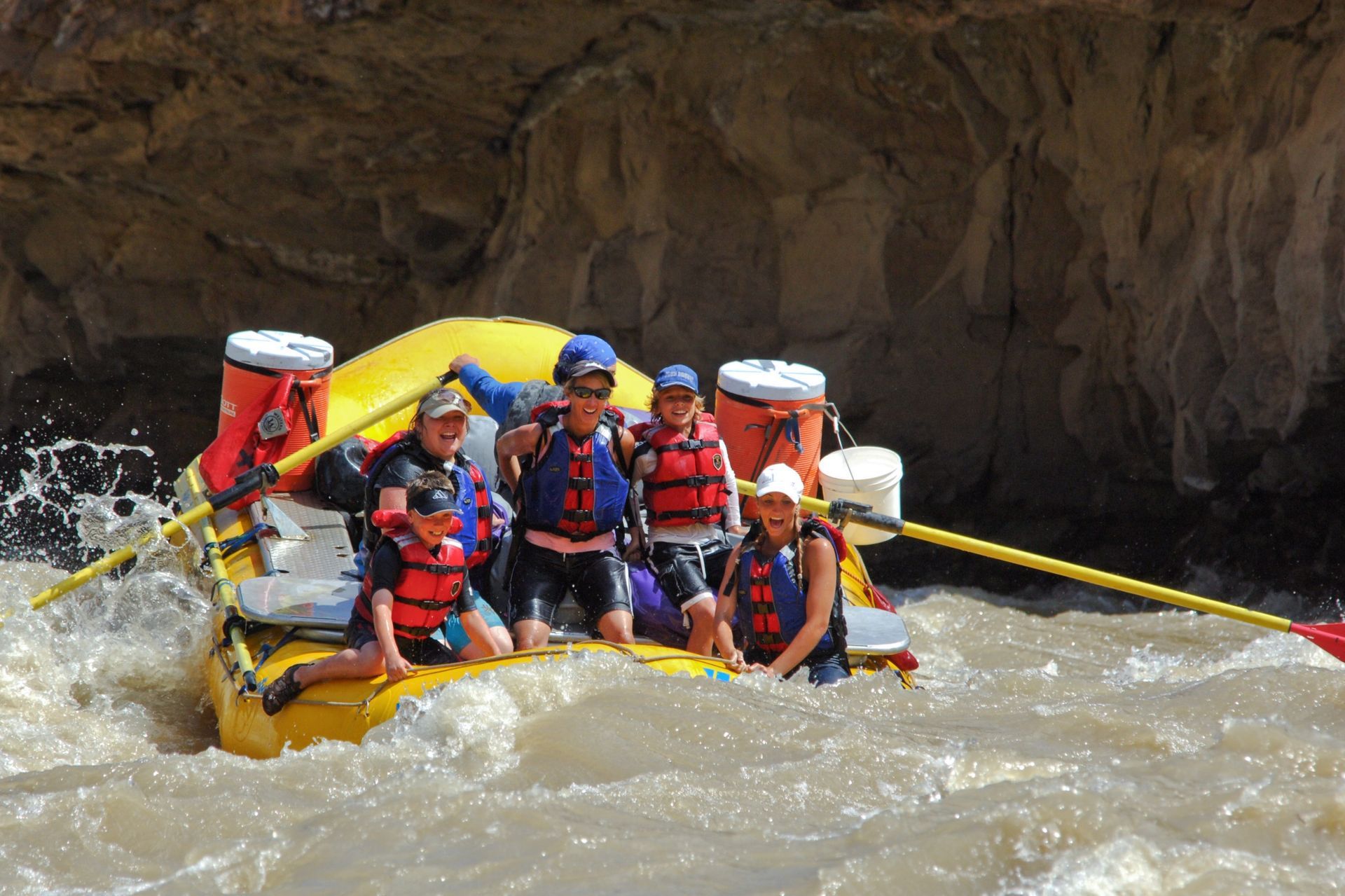
As water levels begin to drop, oar boats, rowed by Western River guides, offer a more responsive ride while still giving guests room to relax between rapids and enjoy the canyon.
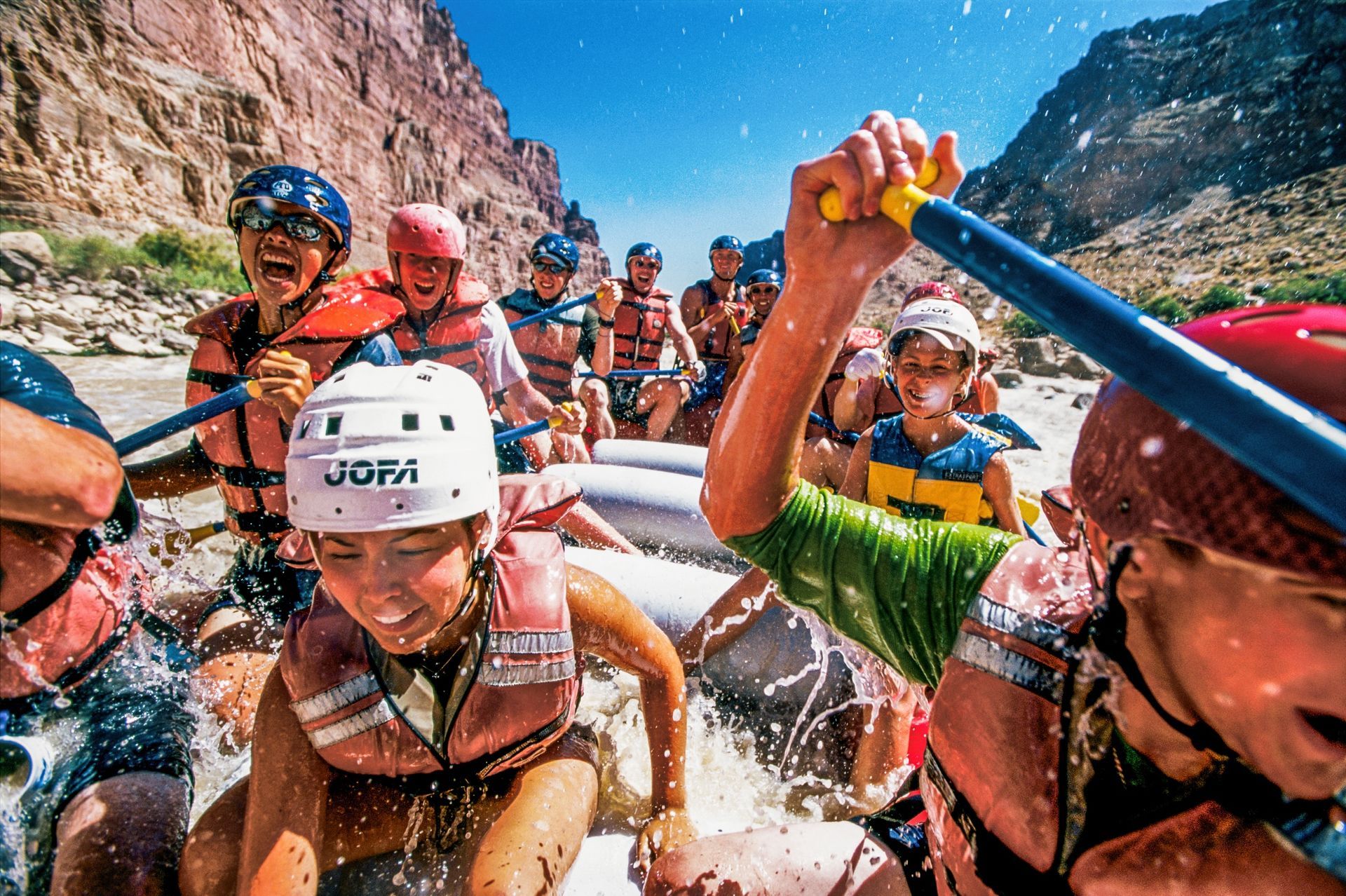
Paddle Boat
Available at lower summer flows, guided paddle boats put guests closer to the water, making smaller, more defined rapids feel active, immediate, and highly engaging.
The Best Weather Forecast to Check
Use the Moab, Utah forecast as a general guide. Cataract Canyon stretches nearly 100 remote miles, where heat, wind and thunderstorms may differ from conditions in town. Check the Moab forecast before your trip. Every Western River Cataract Canyon expedition begins there.
In general, you'll want to be prepared for any conditions even when the Moab forecast appears settled. Western River guides monitor changing conditions and adjust the day’s plans when necessary.
What Each Month Feels Like in Cataract Canyon
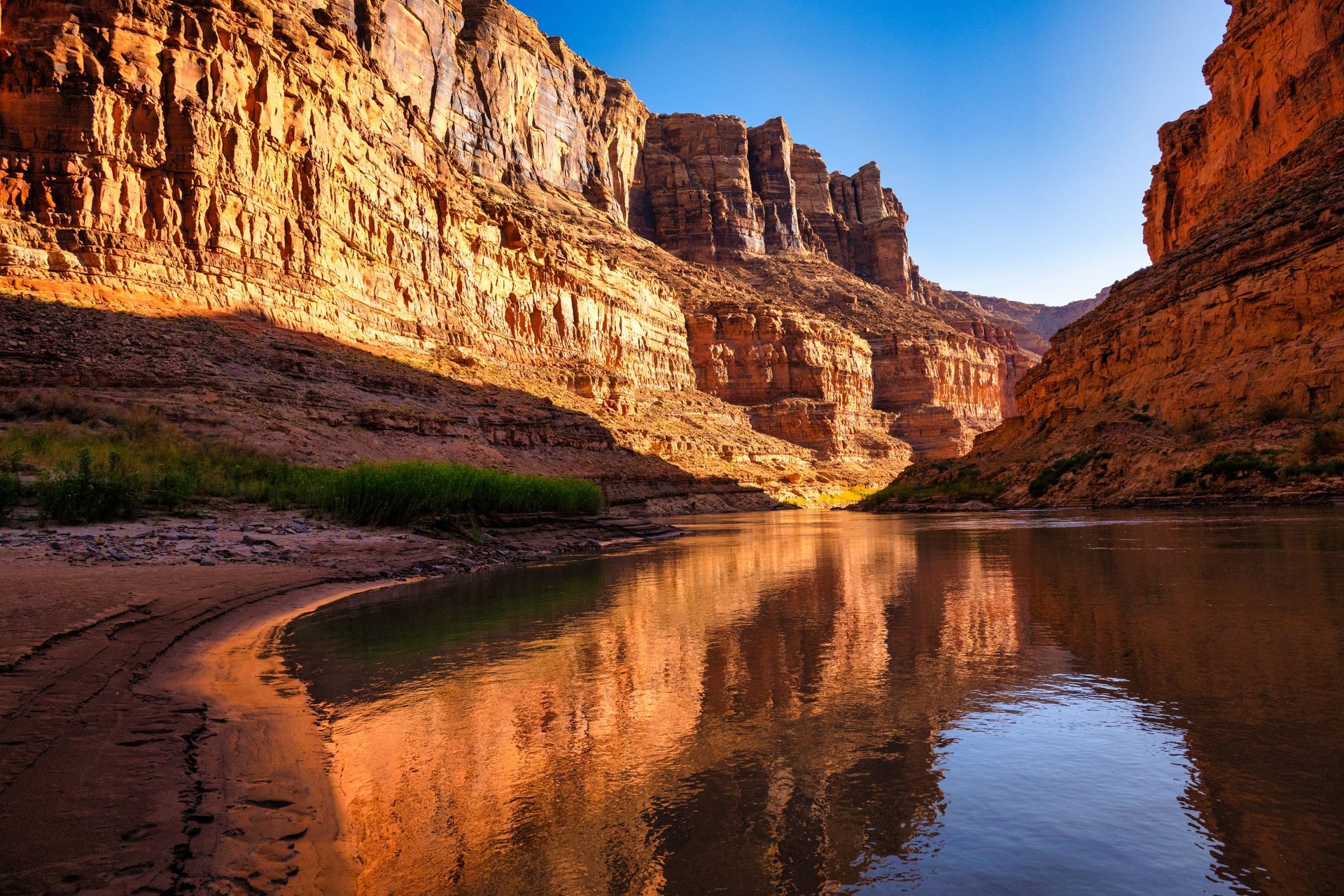
Spring
May: Comfortable Air, Rising Water
May brings mild daytime temperatures, cool mornings and a cold river rising with spring snowmelt. Rapids typically build through the month, while the canyon may still show touches of spring green.
Choose May for: Comfortable weather and growing whitewater before the heat of summer.
SUMMER
June: The Biggest Whitewater
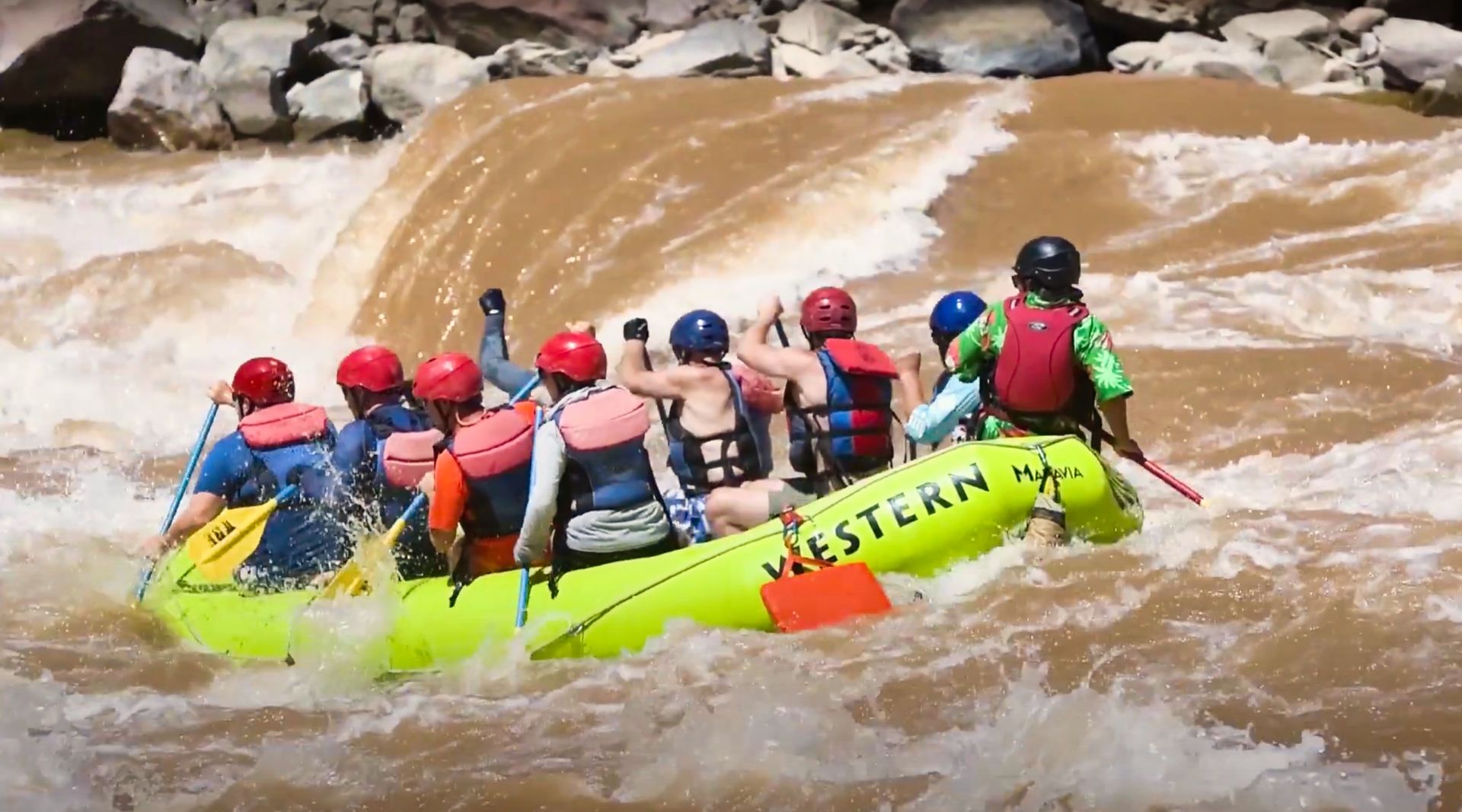
June usually brings Cataract Canyon’s highest, coldest and most powerful flows. Larger rafts match the scale of the waves, creating a bold, high-water ride through the Big Drops.
Choose June for:
The most powerful version of Cataract Canyon.
SUMMER
July & August: Warmer Water & Summer Whitewater
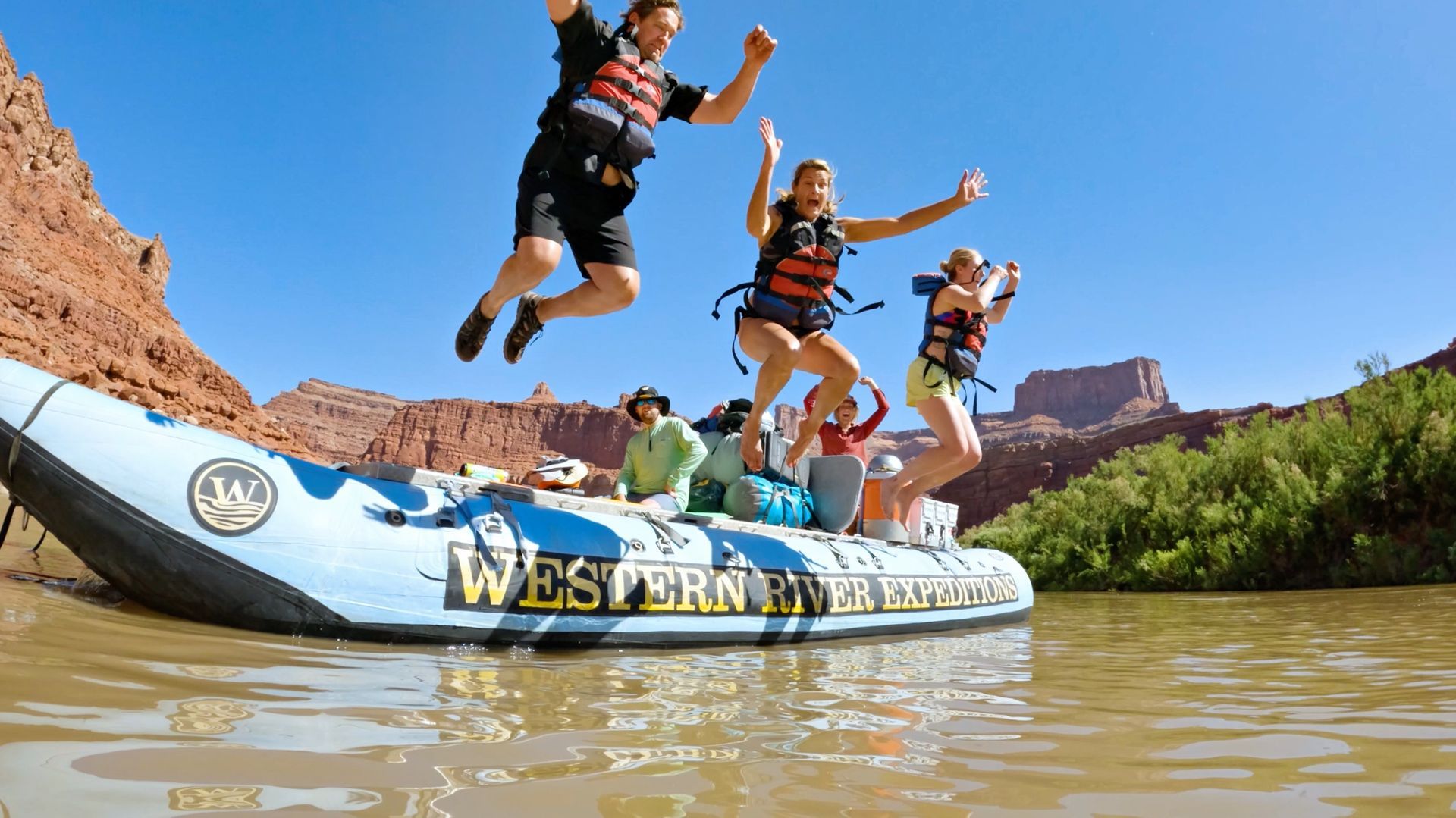
July and August bring hot days near 100°F, warm nights and a river that is usually lower and warmer after spring runoff. Rapids become more defined, and smaller paddle boats may be available to keep the ride active and close to the water. This is also monsoon season, when afternoon storms can bring dramatic skies, cooling rain and temporary waterfalls down the canyon walls.
Choose July or August for: Warm water, exciting whitewater and the strongest family travel window.
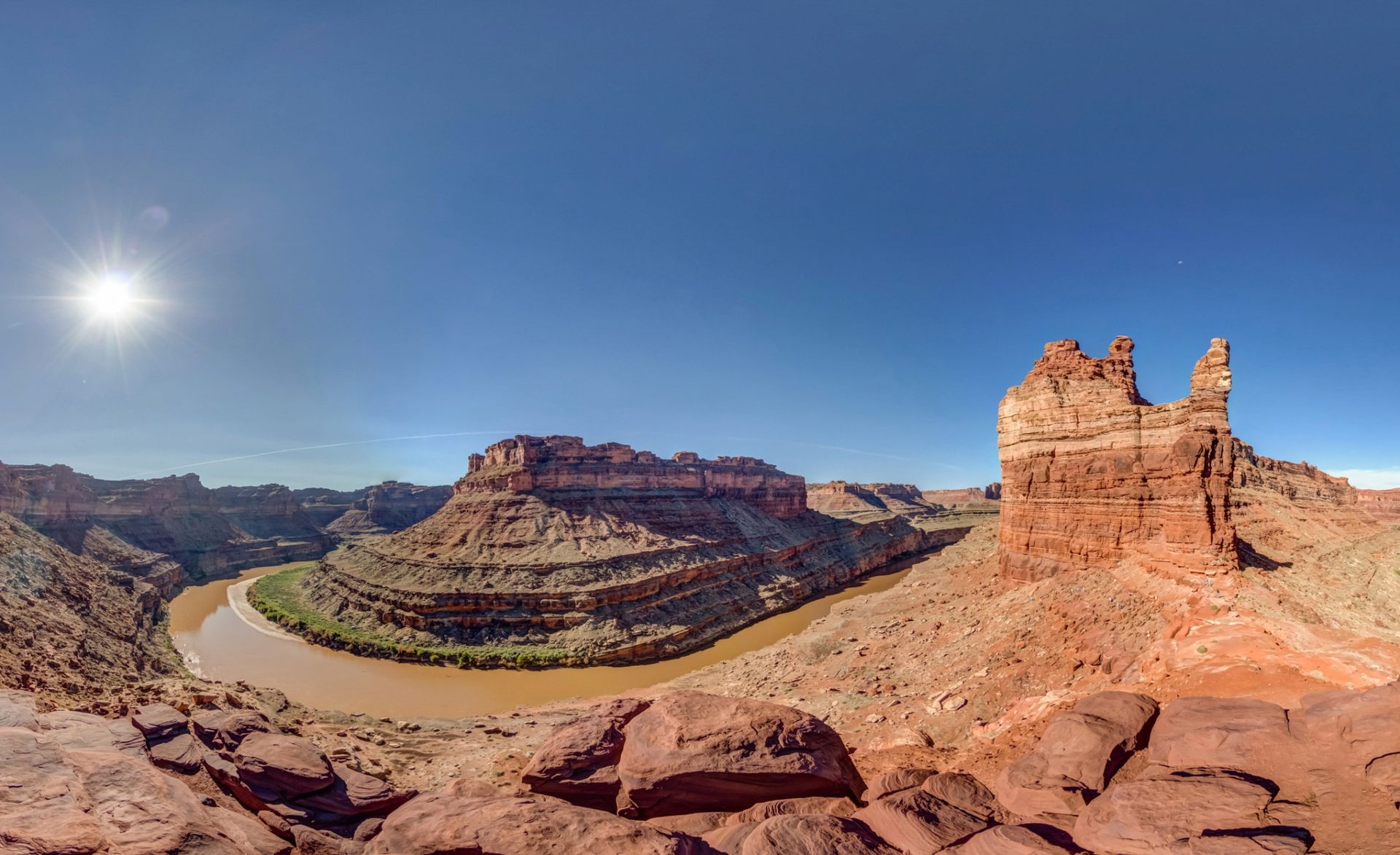
FALL
September: Cooler Air, Quieter Canyon
September brings cooler mornings, comfortable daytime temperatures and water that often remains relatively warm. Lower flows create defined rapids and a more relaxed rhythm between them.
Choose September for: Comfortable weather and a quieter end to the season.
Pick Your Month to Raft Cataract Canyon
Every month in Cataract Canyon offers something special and every trip runs the same legendary 95 miles of Colorado River whitewater through Canyonlands National Park.
Questions? Call (801) 459-3525
and talk to someone who has been there.
Colorado River Water Temperature in Cataract Canyon
Unlike the Grand Canyon farther downstream, where water is released cold from the depths of Glen Canyon Dam, the Colorado River through Cataract Canyon follows a more natural seasonal temperature cycle.
The water is generally coldest during May and June, when fresh snowmelt is moving through the system. Temperatures may range from the upper 40s into the 50s°F.
As runoff subsides and the river spends more time beneath the desert sun, the water commonly warms into the 60s and upper 60s during July and may reach into the 70s later in summer.
Actual water temperature changes with runoff, air temperature and river flow. Even on hot days, morning air, wind and repeated waves can make cold water feel more significant than the number suggests.
Western River recommends keeping a two-piece rain suit in your day-use dry bag, particularly during high water and on cooler mornings. A rain suit is not only for rain. It can help keep you more comfortable even in rapids on earlier spring trips when the water is colder.
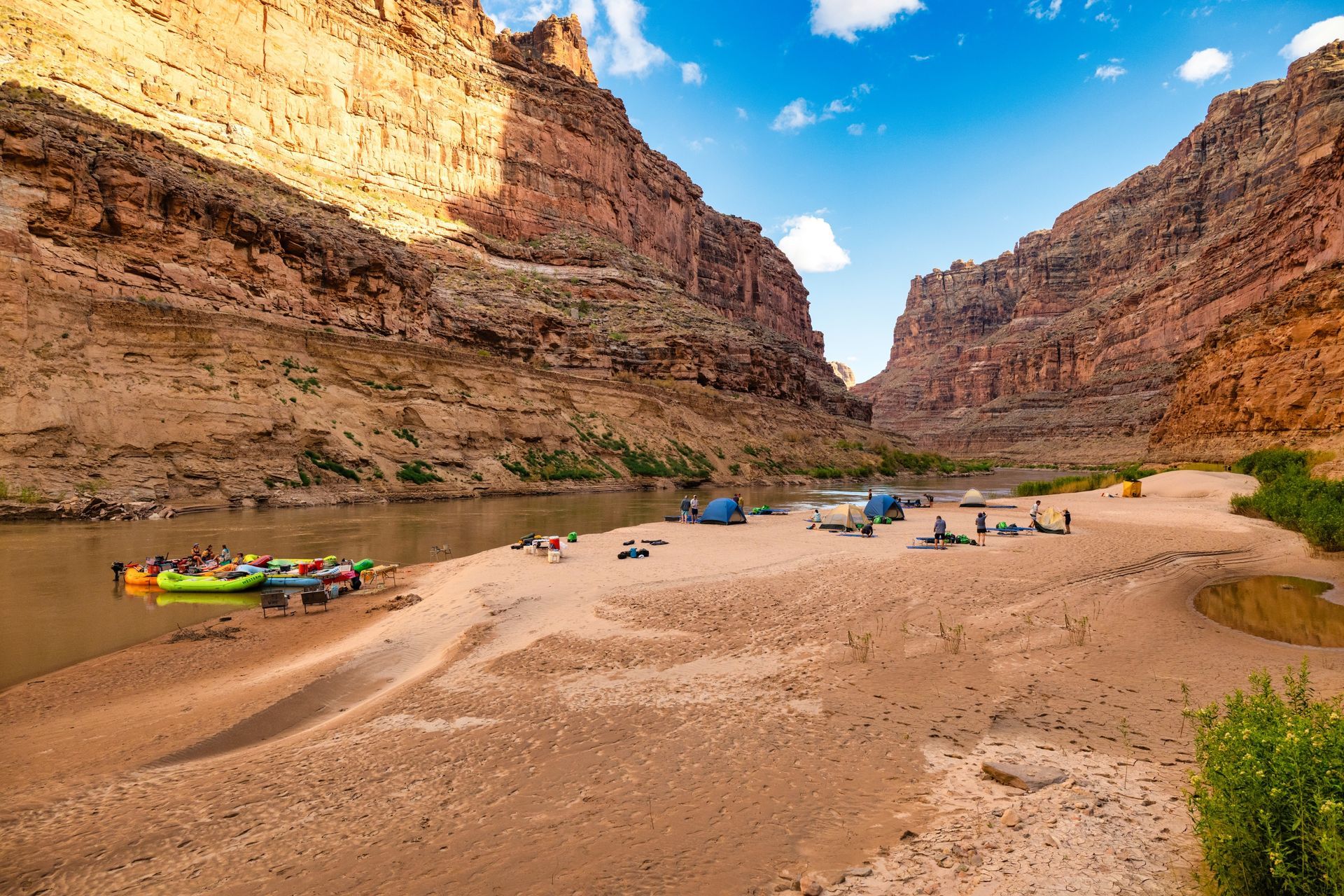
Afternoon Thunderstorms and Flash Floods: What Rafters Should Know
July and August bring warm water, long summer days and some of Cataract Canyon’s most dramatic skies. Afternoon clouds may build into brief rainstorms, cooling the air and sometimes sending temporary waterfalls down the canyon walls.
Weather patterns have become less predictable, so sunshine, wind or rain can occur throughout the season. Guides monitor conditions, adjust stops and choose camps with the day’s weather in mind.
Powell's Expedition & Monsoons
In the summer of 1869, John Wesley Powell watched calm side canyons erupt into torrents as a desert thunderstorm swept across the plateau. Waterfalls suddenly poured from cliffs hundreds of feet above. His journals remind us that Cataract Canyon's monsoon season can transform the landscape in minutes, one of nature's most spectacular displays.
Adventure with confidence
Common Weather Questions
What is the best time of year to raft Cataract Canyon?
It depends on what you want. May and June bring cooler air (highs in the 80s to upper 90s), the biggest and coldest whitewater from snowmelt high water, and fewer 100-degree days. July through September is hotter and drier, with classic desert heat near 100°F, lower and warmer water, and a more accessible intensity in the rapids. Heat-averse guests and thrill-seekers chasing big water lean toward May and June; families and warm-water swimmers often prefer July through September.
Is spring or summer better for Cataract Canyon?
Spring (May and June) gives you the most powerful whitewater and cooler air, but the coldest water and, in May and June, a higher minimum age on some trips. Summer (July through September) trades peak rapids for hotter days, warmer and gentler water, and the lower minimum age that makes it the better family window. If you want the biggest run, choose high water. If you want warmth and a relaxed pace, choose late summer.
When is the Cataract Canyon rafting season?
Western River runs Cataract Canyon from May through September, on a limited number of National Park Service permit dates each season. The Classic 4-Day and Express 2-Day both depart from Moab.
How far in advance should I book?
Earlier than you might expect. Western River runs a limited number of permitted departures each season, so popular dates fill early. It's best to reserve as soon as your dates are set, especially if you're aiming for a specific week in peak high-water June.
How hot does Cataract Canyon get in summer?
Summer daytime highs in the canyon regularly reach the upper 90s to around 100°F, with July the hottest month (average high near 100°F). The dry desert air makes the heat more manageable than the same temperature would feel in humidity, and the river is a constant way to cool off. Nights are far more comfortable, with summer lows in the low 60s.
How cold is the water in Cataract Canyon?
Cataract's Colorado is fed by mountain snowmelt, so it runs cold, especially early in the season. Spring high water in May and June is the coldest, in the upper 40s to 50s°F, then the water warms into the low-to-mid 60s by July and the 60s to low 70s by late summer as flows drop. Western River recommends keeping a two-piece rain suit in your day-use dry bag to shield against cold water and wind, particularly in the morning and on big rapids. See the Cataract Canyon packing list.
Does it rain, and can it get cold or windy?
The canyon is dry overall, but summer afternoons can bring sudden thunderstorms during the Southwest monsoon, roughly July into September. June is typically the driest month. Spring trips can see cool mornings and cold fronts, and the canyon can funnel strong winds at any time of year. Layers and a rain suit handle both.
What should I wear for the weather?
Quick-dry clothing, sun protection (a hat, UV-protective long sleeves, sunscreen), and layers for cool mornings and evenings. A two-piece rain suit is strongly recommended to block cold water and wind. The full Cataract Canyon packing list has the complete breakdown.
Still curious to learn more? Contact us.
Cataract Canyon Reviews
"Guides Saved the Day"
★★★★★
The guides were awesome. Professional and personable. On day 3, in the depths of Cataract Canyon, we were hit with sudden gale-force winds that sent tents and equipment flying. Their response saved the nerves of the guests and our gear.
Michael M - Google
"Water Was Epic Level"
★★★★★
The water was epic level, which created an exhilarating experience for all 32 participants on our two J-rig rafts. First-time campers and a non-swimmer in our group, and every detail was perfect.
VacationBringsJoy - TripAdvisor
"Sleep Under the Stars"
★★★★★
The dark skies in Canyonlands are utterly pristine and devoid of light pollution. I urge anyone taking this trip to put your cot outside the tent and sleep under the stars.
Todd - TripAdvisor

★★★★★
360+ REVIEWS

★★★★★
800+ REVIEWS

★★★★★
1K+ REVIEWS

★★★★★
80+ REVIEWS
Choosing Your Cataract Canyon Trip
Western River offers a 2-Day Express trip and a 4-Day Classic trip through Cataract Canyon. Both trips cover the same extraordinary 95 miles of the Colorado River through Canyonlands National Park. The primary decision is how much time you want to spend inside the canyon. The longer trip provides more time for hikes and exploration plus multiple nights under the stars, while the express trip is loved by those who want to experience the whitewater of Cataract Canyon, see the beauties of Canyonlands, but do it in just one night.
Raft through Canyonlands National Park, run the legendary Big Drops, and camp beside the Colorado River beneath the stars. Return to Moab on a scenic flight.
- Begins: Moab, Utah
- Best for: Whitewater
- Rapids: 30+ Class III-V
- Ages: 12+ (10+ Jul–Sep)
Raft 95 miles of the Colorado River in two days. Run the legendary Big Drops and sleep beside the river in Canyonlands National Park before a shuttle back to Moab.
- Begins: Moab, Utah
- Best for: Quick Thrills
- Rapids: 30+ Class III-V
- Ages: 12+
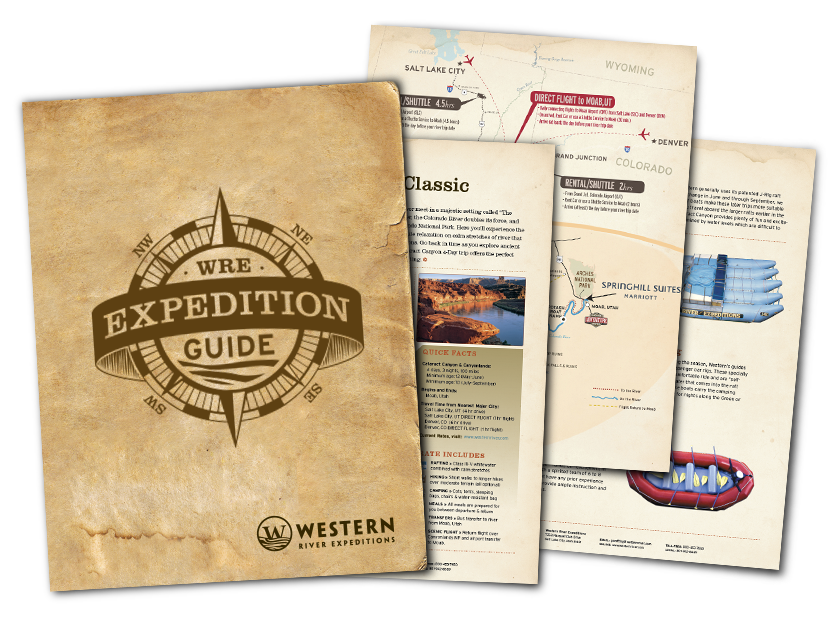
Still researching the best Cataract Canyon trip?
Maps, itineraries, camping details, weather, packing lists, travel logistics and more, all in one place. Choose your destination or trip and get the Expedition Guide that fits.