A Typical Day On the River
What does a perfect day actually feel like? You're about to find out.
Coffee before the world wakes up. Laughter echoes off canyon walls. The roar of a rapid that makes everything else go quiet. A hidden waterfall. Ancient ruins carved into cliffs that have stood for a thousand years. And finally — a sky so full of stars you regret you ever had a ceiling.
What's it Actually Like on the River Each Day?
If you have been wondering what it actually looks and feels like to spend a week on the river, this page is for you. A day on a Western River trip has a natural rhythm to it: early mornings on the water, big rapid moments, new canyon views that stop conversation mid-sentence, riverside lunches on sandy beaches, and evenings in camp that routinely end with guests staring at a sky full of stars asking why they waited so long to do this. Here is how it unfolds.
Your Day at a Glance
Exact timing shifts by trip and mileage, but most Western River days follow this pattern:
- 6:00–7:00 AM: Wake up; coffee, juice, and hot drinks ready at camp
- 7:00 AM: Hot buffet breakfast served by guides
- 7:30–9:00 AM: Camp breakdown, boats loaded, on the water
- 9:00–12:00 Noon: Peaceful drift to soak up the sights, punctuated by rapids or hikes
- 12:00–1:00 PM: Riverside lunch on a sandy beach
- 1:30 PM: Back on the river: afternoon miles, side canyon hikes, swimming
- 4:30–5:30 PM: Arrive at the next campsite
- 6:00–7:00 PM: Appetizers, happy hour at camp, dinner
- Evening: Campfire where allowed, stargazing, the sound of the river
Grand Canyon trips run earlier and cover more miles each day than the Idaho or Utah rivers, where the morning pace tends to be a bit more relaxed. Your guides will brief you each morning on what the day holds and what is coming up.
Morning on the RIver
The day starts before the sun finds the canyon floor, which on a Grand Canyon trip happens later than you might expect. Those walls rise 3,000 feet and hold the cool morning air in for a good while after sunrise. Coffee appears early, before most guests have fully processed where they are. Guides have been up for an hour already, running the kitchen and beginning to break down camp.
Breakfast is a full hot buffet. Eggs, bacon or sausage, pancakes or French toast, fresh fruit, coffee, and juice: the kind of spread that prompts the same question every morning: "You cooked all of this out here?" Guests who arrive skeptical about camping food tend to revise that opinion before the first morning is over.
After breakfast, camp comes down. You pack your personal dry bag and carry it to the boats. Guides handle the kitchen, the heavy freight, and the breakdown of the camp infrastructure. On most trips, guests are welcome to join a fireline: a loose chain of people passing gear hand to hand from camp to raft. Most guests do. It takes about an hour and has a relaxed, collaborative energy to it.
On Grand Canyon trips, the goal is to be on the water before the desert sun turns the shore into something you do not want to stand on barefoot. On the Idaho rivers and in the Utah canyons, the mornings tend to linger a bit more. Either way, by mid-morning the boats are untied, the current takes hold, and whatever you had on your mind when you woke up is already a canyon bend behind you.
On the Water: Whitewater, Side Canyons, and Everything In Between
A day on the river is not eight hours of nonstop whitewater. That is worth saying directly, because it changes how a lot of people think about whether they belong here.
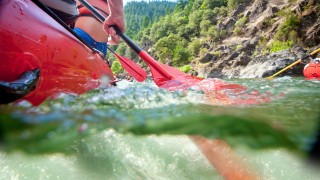
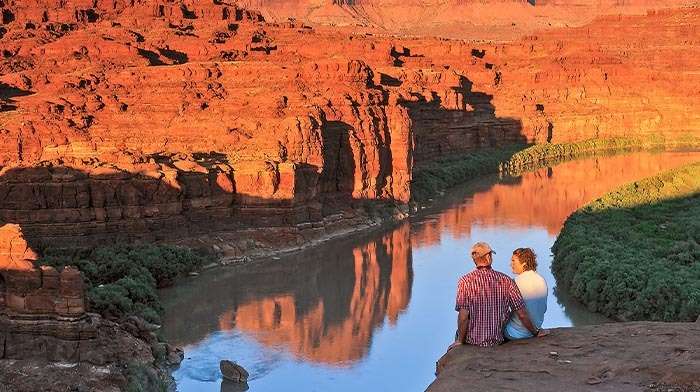
The rhythm goes like this: long stretches of flat water where the canyon walls rise around you and the only sound is the current and your guide pointing out a peregrine falcon or a granary built into a cliff 2,000 years ago; then a calm pool at the top of a rapid where guides scout the line and give a briefing; then the rapid itself, then more quiet water, more canyon, more of everything. Repeat.
Those calm stretches of travelling by river are not the waiting-for-the-good-part. They are a significant part of the experience. Guests who arrive expecting constant adrenaline consistently report that the float time was something they did not anticipate enjoying as much as they did.
Side canyons show up throughout the day. A guide beaches the boats and leads a short hike to a waterfall, a swimming hole, a set of ancient ruins, or an alcove accessible only by river. On the Middle Fork Salmon and Main Salmon trips in Idaho, the river corridor passes natural hot springs, and the standard move is to stop and get in. These stops are not rushed.
Most trips average four to six hours of actual river time per day, broken up by lunch and side canyon stops. Total time from leaving camp to arriving at the next one is usually six to eight hours, depending on the day. There is more downtime than most guests expect.
The guides stay on the water throughout the day with you. They navigate, they name the formations, they answer every question, and they are the reason guests who were nervous about being out here start to feel, somewhere around day two, like they belong exactly where they are.
Lunch on the Beach
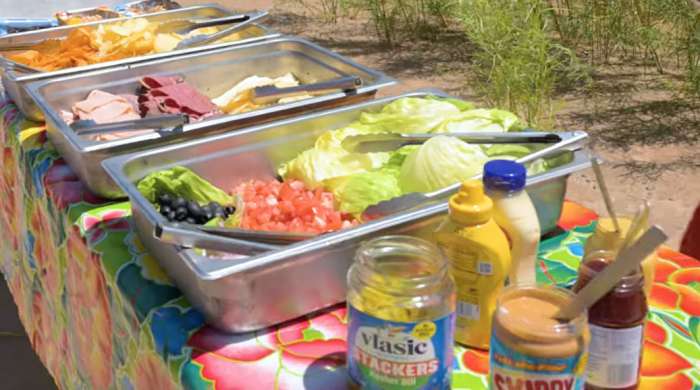
Lunch happens on the river, pulled off at a sandy beach or a flat stretch of rock where the boats can land together. Guides lay out a full spread: sliced meats, cheeses, bread, wraps, fresh salads, fruit, and even chips and cookies. This is not the foil-packet version of outdoor dining. The food quality on a Western River trip is one of the things guests most consistently say they did not see coming, and lunch is usually the first meal where that realization lands.
No one on a Western River trip has to think about food logistics. Every meal, every snack, every drink is handled. You show up, you eat, you get back on the water. For guests who have spent time agonizing over what to pack, this is often the moment when the all-inclusive model clicks. Nothing to carry. Nothing to prep. Nothing to clean up.
For guests with specific dietary needs, vegetarian, vegan, food allergies, and religious restrictions are all accommodated as best as possible. Details are worked out at the reservation stage, well before the first meal.
Afternoon: What Comes After the Rapids
Afternoons on the river have a different quality than mornings. By midday, most guests have stopped thinking about whether they can handle this and started thinking about whether they ever have to leave.
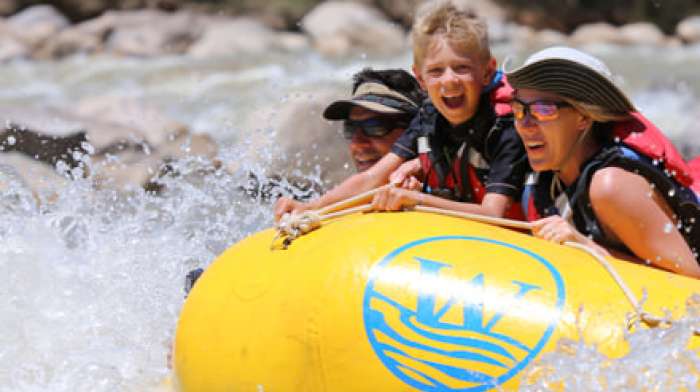
The afternoon miles bring more rapids, more side canyon stops, and on hot days in the desert canyons, long stretches where jumping into the river is the obvious move. On Idaho trips, afternoons often include some of the biggest whitewater of the day. On Desolation Canyon in Utah, the afternoon float through the Green River is one of the quieter stretches of water in the West, with canyon walls rising 5,000 feet in sections and almost no other human presence.
Optional hikes appear in the afternoon too. The word optional is accurate. Guides work with every fitness level and every comfort level in the group. Some guests do every hike on every day of the trip. Some guests sit in camp chairs on the beach with a book while the hikers go. Both are the right call.
The canyon shows up differently in afternoon light than it does in the morning. By late afternoon, the walls go amber and the shadows go deep. The quality of light on a desert canyon in that window is one of those things that is genuinely hard to describe to someone who has not been there. Guests reach for their cameras and then put them down again because the frame keeps being too small.
Evening: Camp, Dinner, and the River at Night
Arriving at camp is its own moment. Guides find a spot, usually a stretch of sandy riverbank against the canyon walls, and the boats pull in. Guests can join the fireline to pass gear from the boats to shore, or simply walk into camp and claim a spot. The fireline is always voluntary, but most people join it without being asked. It is one of those small things that makes the trip feel collective.
Camp setup takes about ten minutes. On Grand Canyon and Main Salmon trips, you set up your own cot and sleeping bag in the spot you choose. Guides are right there for first-timers and the process is genuinely simple. On the Middle Fork Salmon, Lower Salmon, and Hells Canyon trips, gear boats are allowed to arrive in camp hours earlier to set up your tent and sleeping pad before you arrive. All camping gear, across all trips, is provided: sleeping bag, tent, camp cot, chair or pad, and everything else. You bring a personal dry bag. That is the full extent of your gear responsibility.
Then dinner. Guides prepare a full meal from fresh ingredients: grilled meats, roasted vegetables, rice or pasta, salad, and dessert. The quality of the camp kitchen surprises nearly every first-time guest. "I had no idea the food would be this good" is one of the most consistent lines in Western River reviews, and it tends to come up at dinner on night one.
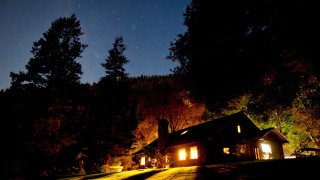
After dinner, the canyon takes over. Campfires are lit where permits allow. Where fires are not permitted, guests gather anyway. The conversations that happen at a river camp at night, with no cell service and nothing competing for anyone's attention, are the kind that guests reference for years. When the group finally breaks up and people start drifting toward their cots, the last thing most guests do before closing their eyes is look up at the sky and count what they can see.
How You Sleep on a Multi-Day Trip
"I have never camped a day in my life" is something Western River guides hear often.
On Grand Canyon, Utah, and Main Salmon trips, you sleep on a cot with a full sleeping bag. The cot keeps you completely off the ground. On Middle Fork Salmon, Lower Salmon, and Hells Canyon trips, guides set up a tent and sleeping pad rather than a cot. Across all trips, tents are available, and guests can use them whenever they want. Most guests in the desert canyons choose to sleep under open sky, because sleeping under a billion-year-old canyon wall with the sound of the Colorado River a hundred feet away is not the kind of experience that benefits from a ceiling.
The absence of cell service helps, too. No notifications, no background noise, no pull to stay awake for one more thing. Guests who struggle to sleep at home consistently report that they sleep better on the river than anywhere else. It is one of the things they do not expect and one of the first things they bring up when they get home.
For more detail on gear, camping setup, and what to pack, see our Camping page and the Packing pages for whichever trip you choose.

Questions About Your Day on the River
How do you go to the bathroom on a multi-day rafting trip?
During the day, the boats pull over at regular intervals for bathroom breaks. At camp, Western River uses a groover: a portable, self-contained camp toilet that guides set up at each campsite, always in a spot with a privacy and a spectacular canyon view. The name dates to the early days of river running, before actual seats were standard equipment, when the rim of the metal ammo can left grooves. Modern groovers have seats and a proper setup. The system is clean, well-managed, and handled entirely by guides. It is one of those things guests spend time worrying about before the trip and stop thinking about entirely once they see how matter-of-factly guides handle it. The groover system is standard on all Western River multi-day trips and is an industry-wide practice.
Do I need camping experience to enjoy this trip?
No. Western River trips are designed to be fully accessible to guests who have never camped before. All camping gear is provided: cots or sleeping pads, sleeping bags, tents, camp chairs. Guides handle the kitchen, prepare every meal, and manage all camp logistics. Your job is to show up. Guests who have spent their entire lives in hotels consistently have a great time. The adjustment period, when it happens at all, usually lasts about half a day.
What time does the day start, and how much of it is on the water?
Guides typically have coffee ready and breakfast on the table by 7:00 AM. Boats are usually on the water between 8:30 and 9:30 AM, depending on the trip and mileage for the day. Grand Canyon trips have more miles to cover and tend to start earlier. Most trips average four to six hours of actual river time per day, broken up by lunch and side canyon stops. Total time between leaving camp and arriving at the next one is usually six to eight hours.
What do you eat on a multi-day rafting trip?
Hot buffet breakfasts with eggs, meat, and fresh fruit. Riverside lunch spreads with sliced meats, cheeses, bread, wraps, and salads. Full dinners prepared from fresh ingredients, including grilled meats, vegetables, and dessert. Western River trips are all-inclusive, which means every meal, every snack, and every drink is covered. No wallet, no food prep, no cleanup. Dietary accommodations including vegetarian, vegan, food allergies, and religious restrictions are handled at the reservation stage.
How comfortable is sleeping on a multi-day trip?
More comfortable than most guests expect. On Grand Canyon and Main Salmon trips, you sleep on a cot with a full sleeping bag, which is a notably different experience from sleeping on the ground. On other WRE trips, guides set up your tent and sleeping pad before you arrive at camp. Tents are always available but optional in the desert canyons, where most guests end up sleeping under open sky. Guests who identify as non-campers are often the ones who mention sleep quality most enthusiastically at the end of a trip.
Is there downtime, or is it nonstop activity?
There is genuine downtime. Between the float stretches, the lunch hour, optional afternoon hikes, and evenings in camp, most guests end up with more time to sit, read, swim, or simply watch the canyon than they anticipated. Nothing on a Western River trip is mandatory except getting on and off the raft. Every hike is optional. Guides work with every comfort level and every pace.
What happens if it rains?
It rains occasionally on multi-day river trips, and it is typically fine. River gear is designed for water, and guests are briefed on what to wear and what to keep in waterproof bags. On a Grand Canyon trip, a brief summer rain can cool the canyon down significantly, which most guests welcome. In cases of prolonged weather or lightning in narrow canyons, guides make the call on timing and camp placement. Guests are briefed as conditions develop.
Can I swim during the trip?
Yes, on every Western River trip. Swimming opportunities show up throughout the day: calm pools below rapids, side canyon swimming holes, and river stretches where the current cooperates. Life jackets are worn on the raft at all times while moving; swimming stops happen with boats beached and guides in the water. The ability to swim is not required for any Western River trip.
It's Time to Reclaim Your Time
If a week that looks like this sounds like something you have been putting off, it is probably time to stop putting it off.
Related Trips
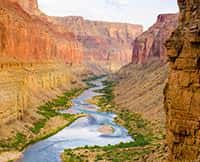
Grand Canyon Rafting Trips
Experience a 3 to 7 day expedition filled with whitewater excitement, spectacular waterfalls waterfalls and starry nights.
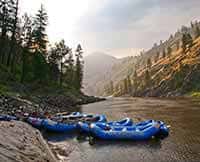
Main Salmon Rafting Trip
The "River of No Return" boasts dense pine forests, granite mountains and abundant wildlife.
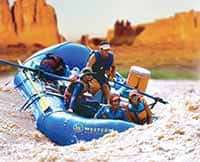
Cataract Canyon 4 Day Trip
Experience 4 Days through the heart of Canyonlands National Park.
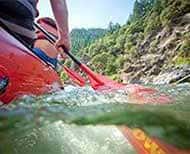
Rogue River Lodge to Lodge Trip
One of the most unique rafting vacations in the world. Astounding wildlife, scenery and historic river lodges each night.
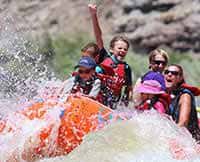
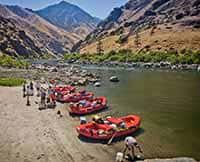
Hells Canyon Rafting Trip
The deepest river gorge in North America and some of the largest whitewater rapids in the Pacific Northwest.
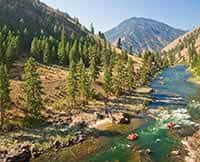
Middle Fork Salmon Rafting Trip
More than 100 whitewater rapids, natural hot springs, waterfalls and camping in gorgeous mountain meadows.