Costa Rica & the Pacuare River
Best Time to Visit Costa Rica: Weather & Rafting by Month
Costa Rica is warm year-round, so the best time to visit here isn't a question of hot versus cold. It's drier versus wetter, and the season you travel in shapes the trip more than the thermometer does.
- Choose February through April for the driest, sunniest stretch on the Caribbean slope, gentler river flows and the easiest logistics for first-timers and families.
- Choose the green season, roughly May through November, for bigger water, fuller waterfalls and the lushest rainforest, keeping in mind warmer afternoon rain.
- Choose September or October for a relatively drier, sunnier break inside the green season, green-season color with more reliable sun.
There is no single month that is best for everyone. In the Pacuare River area where Western River's Costa Rica trip rafts, daytime highs hold in the mid-80s°F and nights stay in the low 70s°F every month, and the river runs warm. The number that matters here is rain, because rainfall drives the Pacuare's water level and the whole feel of the trip. Below, you can compare the weather month by month, see the temperatures and rainfall and find the best time for your group.
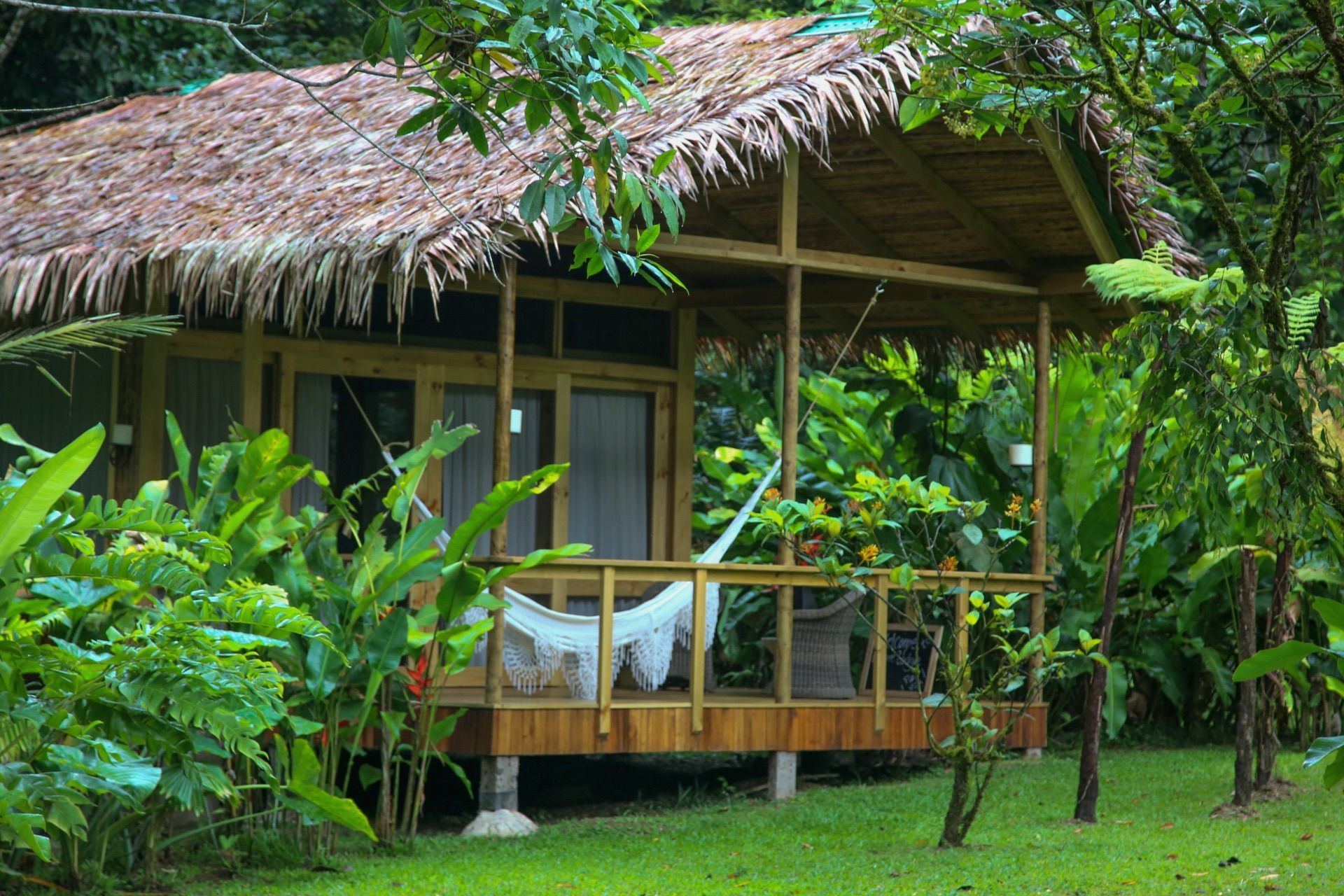
Best Time to Visit Costa Rica: Month by Month
The best month depends on what you want: reliable sun and gentler water, or bigger flows and the jungle at full volume. The table below uses the Pacuare River area figures, the Caribbean slope where you raft, and pairs each month with who it tends to suit. Rainfall is the variable here, not temperature.
| MONTH | AVG HIGH / LOW (°F) | RAINFALL (IN) | WHAT IT FEELS LIKE | BEST FOR |
|---|---|---|---|---|
| JAN | 84° / 70° | 10 | Warm and humid, scattered Caribbean-slope showers | Travelers wanting warmth in the northern winter |
| FEB | 84° / 70° | 6.9 | One of the drier, sunnier stretches on the slope | First-timers and families; reliable sun, gentler flows |
| MAR | 85° / 71° | 7.1 | Warm, relatively drier, easy logistics | First-timers and families; predictable weather |
| APR | 86° / 72° | 6.6 | The drier window holds, warm and green | First-timers and families; gentle river, easy planning |
| MAY | 86° / 74° | 11.8 | The rains return, the rainforest deepens fast | Adventure-seekers wanting building water and lush jungle |
| JUN | 87° / 74° | 9 | Full green season, warm afternoon showers | Bigger water, fuller waterfalls, fewer crowds |
| JUL | 86° / 73° | 13.3 | Peak green season, the rainforest at full volume | Experienced rafters chasing the biggest flows |
| AUG | 86° / 73° | 9.3 | High, fast river, vivid dripping jungle | Adventure-seekers; dramatic waterfalls, quieter corridor |
| SEP | 87° / 73° | 6.5 | A relatively drier Caribbean-slope break | Green-season lushness with more reliable sun |
| OCT | 87° / 73° | 7.44 | The drier break continues, warm and green | First-timers, families and rafters who want both |
| NOV | 85° / 72° | 12.4 | Among the wettest weeks, the rainforest electric | Adventure-seekers wanting maximum water and waterfalls |
| DEC | 84° / 71° | 13 | Wet on the slope, warm and lush | Travelers who don't mind rain for the greenest jungle |
Why Costa Rica's Rivers Rise and Fall
Costa Rica sits close to the equator, so the temperature barely moves across the year. What changes is the rain. Instead of four seasons, the country runs on a drier season and a wet, or "green," season, and which one you travel in shapes the trip far more than the thermometer does.
There is a twist on the Caribbean slope, where the Pacuare runs. This side does not dry out the way the Pacific coast and the Central Valley do. Warm, moisture-heavy winds come off the Caribbean and release rain against the mountains all year, so the corridor sees showers in any month, even during the national "dry season." The relatively drier windows here are February through April and September through October, not the December-through-April window quoted for the country as a whole.
That rain is what moves the river. In the drier windows the Pacuare runs lower and gentler, the rapids accessible and the pace relaxed between them. As the green season builds, the river rises, the current quickens and the rapids step up while the waterfalls run their fullest. The rain isn't a problem to dodge here. It feeds the river and the waterfalls and keeps the rainforest alive, and it is a large part of why people come.
The Best Weather Forecast to Check
Most travelers pull up the San José forecast, the capital and arrival city. It is useful for your travel days, but it isn't the river's weather. San José sits in the drier Central Valley and runs cooler and far less rainy than the corridor where you raft.
For the river, check the Caribbean slope near Turrialba and Siquirres, the towns closest to the put-in, and expect warmer and wetter than the capital. Treat any forecast as a general guide: the trip crosses changing terrain, so conditions vary along the way. Pack for warmth, sun and rain at once, and let Western River's local operations partner monitor river levels as your dates approach.
What Each Season Feels Like in Costa Rica
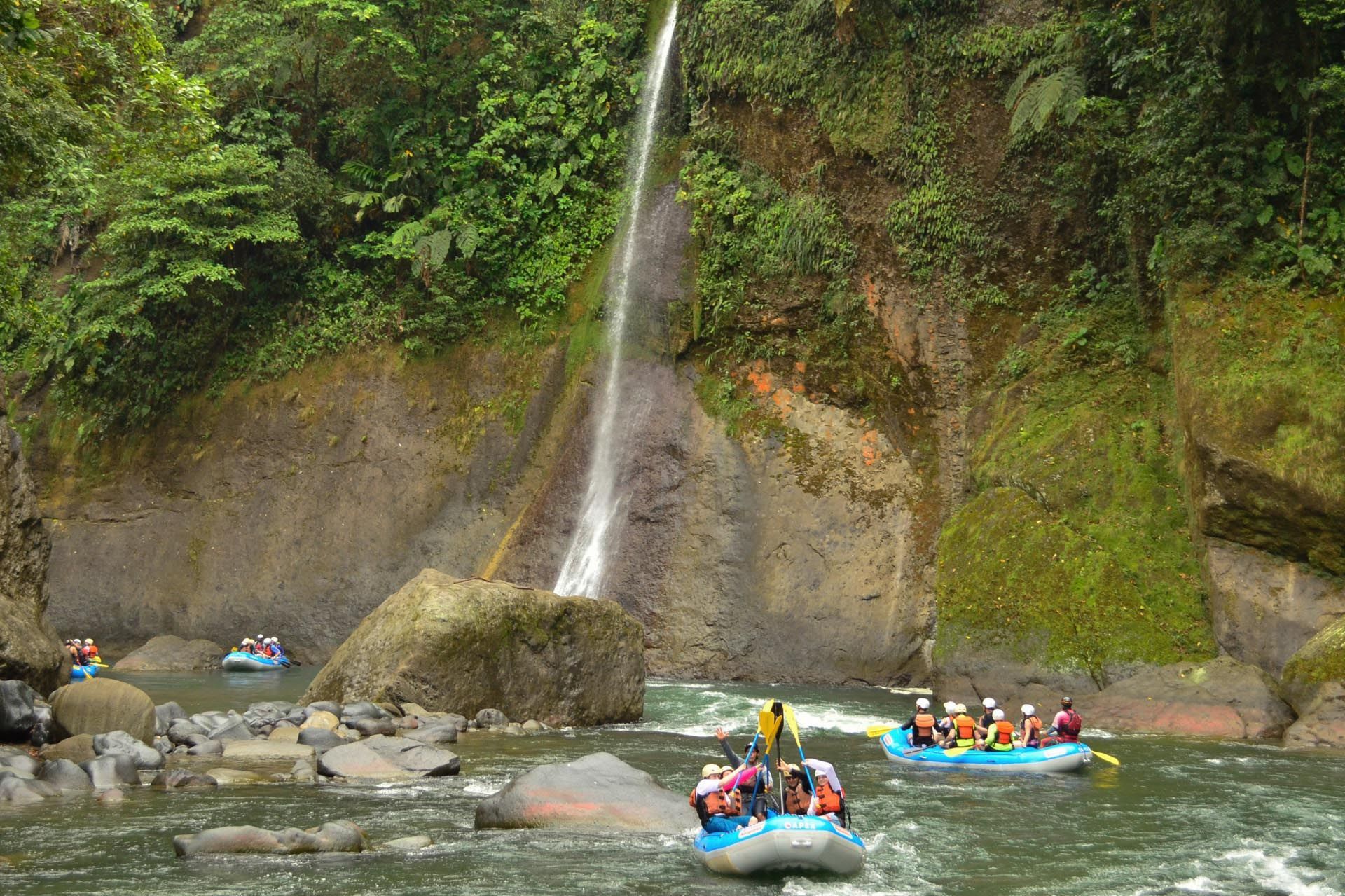
DRY
December through April: Reliable Sun, Gentle Water
The country's classic travel window brings the most reliable sun and the lowest water levels of the year. On the Pacuare, the river runs gentler and the canyon walls glow green, with February through April the driest stretch on the slope. Showers still pass through, but they are the exception rather than the rhythm, which makes planning and combining rafting with wildlife touring easy.
Choose the drier season for:
Reliable sun, gentler water and the easiest logistics for first-timers and families.
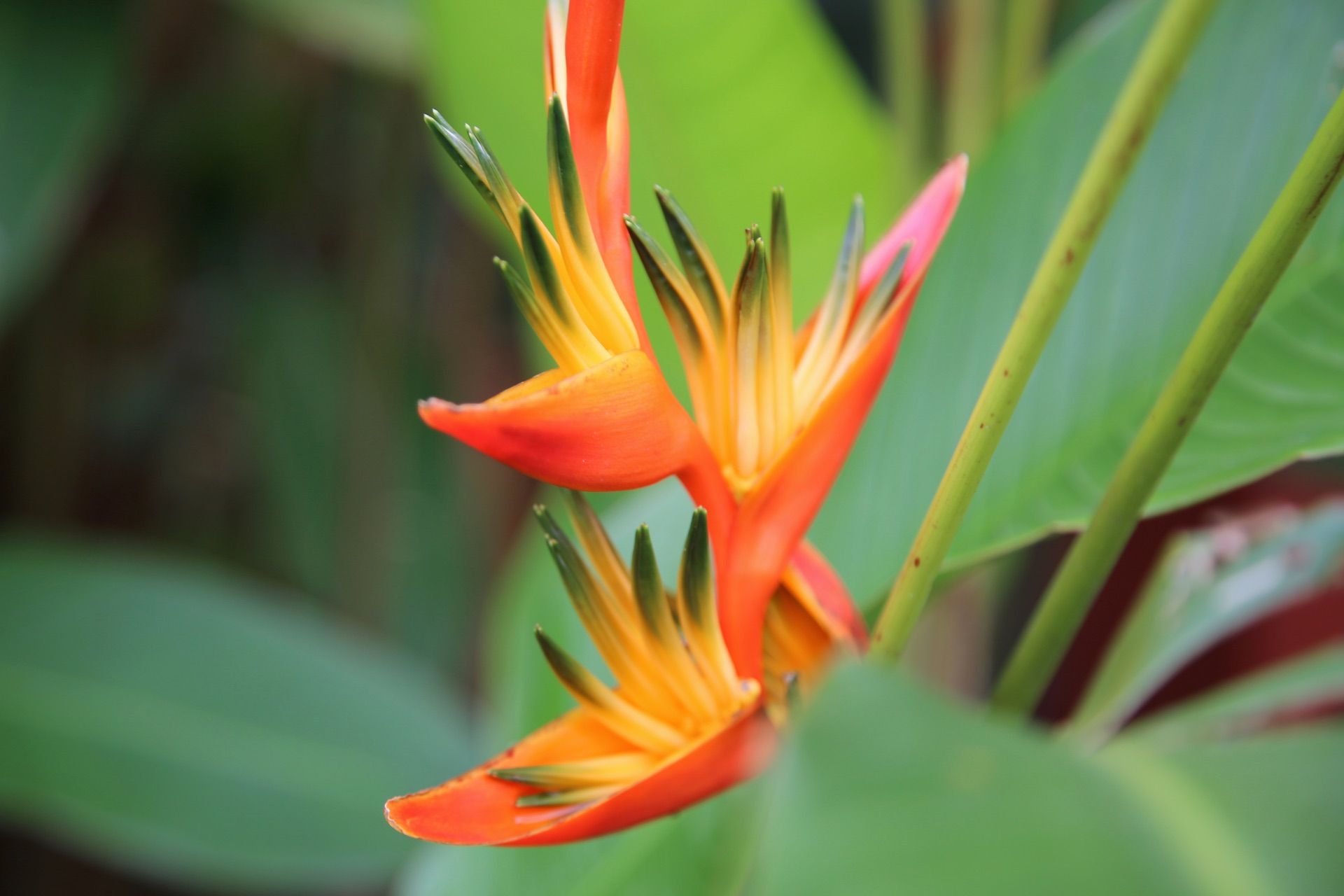
GREEN
May through July: The Rainforest Comes Alive
The rains return and the rainforest responds fast, with deeper greens, louder birdsong and waterfalls along the gorge running fuller by the week. The river builds, the rapids gain energy and the corridor feels at its most lush. Warm afternoon showers become part of the day, and the trade-off is a river and a jungle at their most vivid.
Choose the early green season for:
Building water, full color and the rainforest waking up.
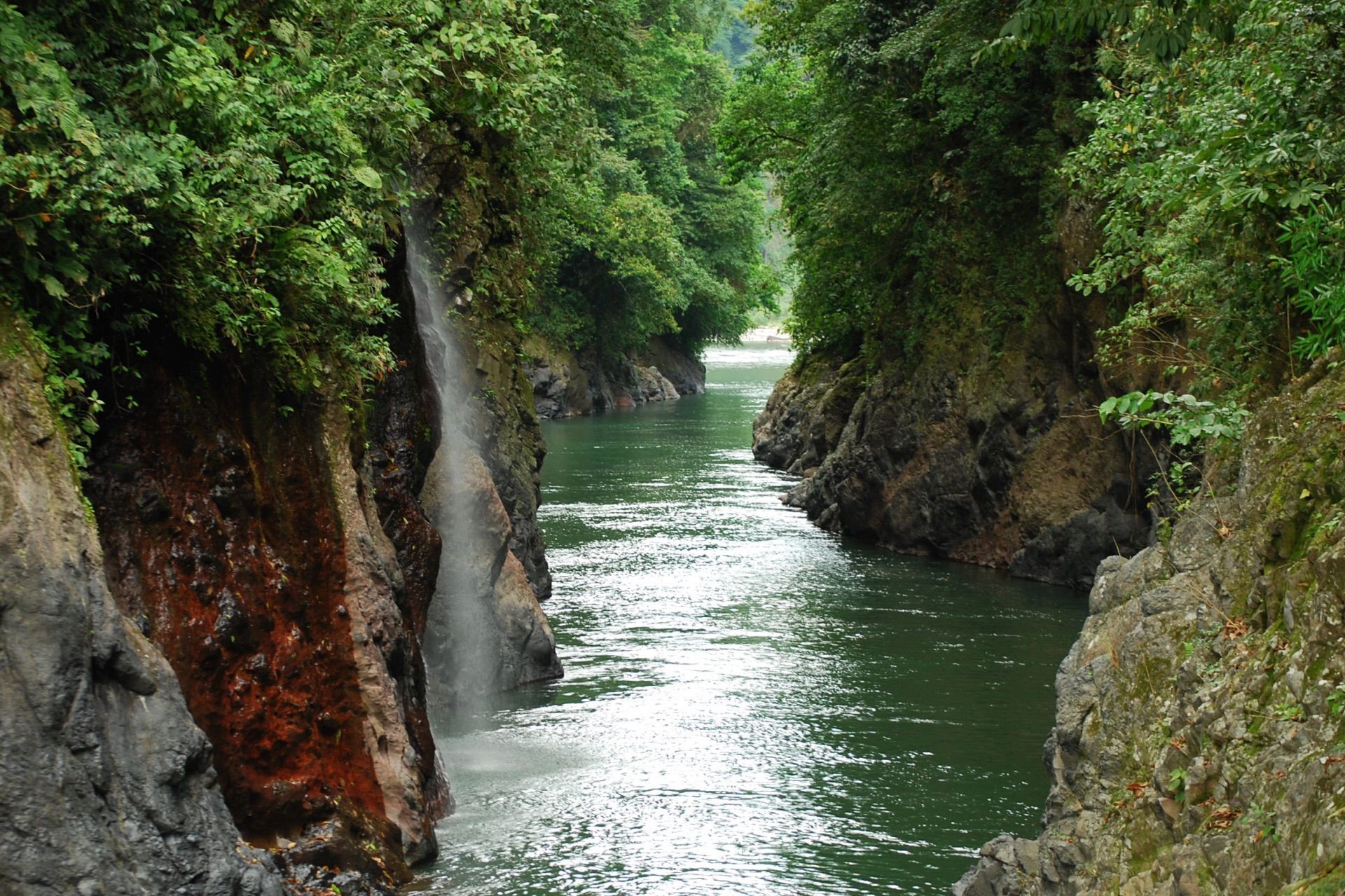
PEAK
August through November: The River at Full Volume
The Pacuare runs high and fast through much of this stretch, delivering the biggest whitewater of the year, with November among the wettest months. September and October bring a quirk the Pacific side does not get: a relatively drier, sunnier break, which is why some experienced rafters target them. High water can occasionally force a schedule shift, but for many this is the most dramatic time on the river.
Choose the peak green season for: The biggest flows, the fullest waterfalls and the wildest version of the Pacuare.
Pick Your Season in Costa Rica
Costa Rica doesn't feel the same in March as it does in July, but every trip runs the same celebrated Pacuare River gorge through protected tropical rainforest, with warm water and a riverside jungle lodge.
Questions? Call (801) 459-3525 and talk to someone who has been there.
Costa Rica Temperatures and Rainfall by Month
Costa Rica's weather varies by region, driven by elevation and distance from the coast, but most areas follow the same drier-season and green-season pattern. The two tables below show the average temperature by month that matters for this trip: San José, where you arrive and where most national weather data comes from, and the Pacuare River area on the warmer, wetter Caribbean slope, where you raft.
San José (arrival city, Central Valley)
| MONTH | HIGH | LOW | RAIN (IN) |
|---|---|---|---|
| JAN | 73 | 59 | 0.4 |
| FEB | 75 | 59 | 0.2 |
| MAR | 77 | 60 | 0.5 |
| APR | 78 | 60 | 1.7 |
| MAY | 78 | 62 | 8.9 |
| JUN | 78 | 62 | 11.3 |
| JUL | 77 | 62 | 8.5 |
| AUG | 77 | 62 | 9.8 |
| SEP | 76 | 60 | 13 |
| OCT | 77 | 60 | 13 |
| NOV | 75 | 60 | 5.6 |
| DEC | 73 | 59 | 1.6 |
Pacuare River Area (Caribbean slope, where you raft)
| MONTH | HIGH | LOW | RAIN (IN) |
|---|---|---|---|
| JAN | 84 | 70 | 10 |
| FEB | 84 | 70 | 6.9 |
| MAR | 85 | 71 | 7.1 |
| APR | 86 | 72 | 6.6 |
| MAY | 86 | 74 | 11.8 |
| JUN | 87 | 74 | 9 |
| JUL | 86 | 73 | 13.3 |
| AUG | 86 | 73 | 9.3 |
| SEP | 87 | 73 | 6.5 |
| OCT | 87 | 73 | 7.44 |
| NOV | 85 | 72 | 12.4 |
| DEC | 84 | 71 | 13 |
Pacuare River Water Temperature
The Pacuare's water tells a different story than Western River's canyon rivers in the West. There is no snowmelt and no cold dam release here. The river is fed by tropical rain and stays warm and comfortable year-round, so the variable is never temperature, it's volume.
You won't need a wetsuit to stay warm, and there is no cold-water season to plan around the way there is on the cold-water rivers out West. What changes through the year is how much water is moving. Rainfall is what raises and lowers the Pacuare: lower and gentler in the drier windows, higher and faster as the green season builds, roughly half a class more intensity at higher flows while the waterfalls run their fullest.
For packing, the takeaway is simple. You are dressing for warm water and rain here, not cold, so a good rain jacket matters far more than a wetsuit. See the Costa Rica packing list.
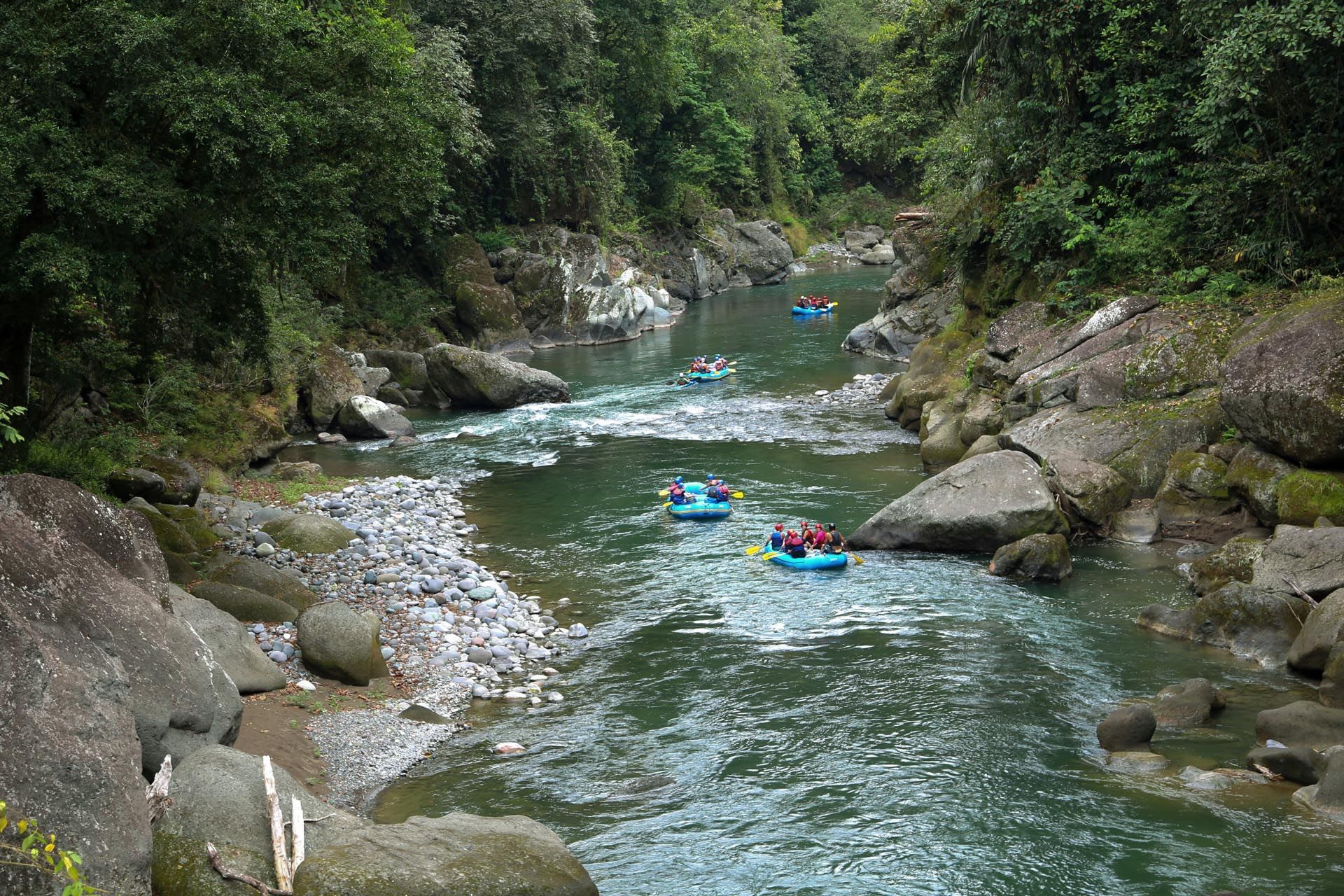
Wet Season and the Rainforest: What Rafters Should Know
Costa Rica's green season is one of the best times to experience the Pacuare. From May through November, warm rains turn the rainforest a brilliant green, waterfalls spill from the canyon walls, and the river comes alive.
Those rains also raise the Pacuare, creating bigger, faster whitewater that many experienced rafters seek out. Showers are typically warm and arrive in afternoon bursts, often leaving plenty of sunshine between them.
During periods of exceptionally heavy rain, the river can occasionally rise above safe rafting levels. When that happens, Western River's local partner transfers guests to Pacuare Lodge by land, allowing the trip to continue while river conditions are monitored.
The Rainforest the Rain Builds
The Pacuare runs off the Talamanca mountains, which catch some of the highest rainfall in Central America, and the river is the direct expression of that rain. It carves through protected tropical rainforest thick with waterfalls, birds and wildlife, and the same downpours that raise the river keep the canyon one of the greenest and most alive rafting corridors anywhere.
Adventure with confidence
Common Weather Questions
What is the best time of year to visit Costa Rica?
It depends on the trip you want. The drier, sunnier windows, roughly February through April and September through October on the Caribbean slope, bring more reliable sun, gentler river flows and easier logistics, the usual pick for first-timers and families. The green season, May through November, brings heavier rain, bigger water, fuller waterfalls and the lushest rainforest, which draws adventure-seekers. Because it is warm year-round, there is no off month, just a different feel.
What is the best time to raft the Pacuare River, weather-wise?
The river runs year-round, so it comes down to the trade-off you want. The drier windows (February through April and the September to October break) bring calmer water levels and a gentler river, often the better fit for first-timers and families. The green season (May through November) brings higher, faster water and fuller waterfalls, which experienced rafters often prefer for the bigger rapids. Costa Rica's weather can shift day to day in any season, so come ready for sun and showers whenever you go.
Is the dry or green season better in Costa Rica?
Neither is objectively better; they are different trips. The drier season gives you more reliable sun, lower and gentler water and the easiest planning, ideal if predictable weather matters to your group. The green season gives you bigger whitewater, waterfalls running their fullest, the most vivid rainforest and fewer crowds, ideal if you want the jungle at full volume and don't mind warm afternoon rain. Warm air and warm water hold either way.
Is the rainy season a bad time to raft Costa Rica?
No. In Costa Rica the green season isn't weather to endure, it's a large part of why people come. The rain feeds the river and the waterfalls and keeps the rainforest electric green, and the showers are usually warm and brief rather than all-day. The one honest caveat: during the heaviest rains the Pacuare can occasionally rise too high to raft safely, and when that happens Western River's operations partner shifts to a land route to the Pacuare Lodge so the trip continues.
When can you raft the Pacuare River?
Year-round. Because Costa Rica is warm in every month and the river is fed by tropical rain rather than seasonal snowmelt, there is no closed season the way there is on Western River's canyon rivers out West. The only interruptions are short and weather-driven: during the heaviest rains the canyon may briefly close for high water, with ground transport to the Pacuare Lodge as the fallback. Otherwise the Pacuare is runnable in any season.
How hot and humid does it get?
In the Pacuare area, daytime highs sit in the mid-80s°F and nights settle into the low 70s°F, with little change from month to month. The humidity is high, as it is in any rainforest, so the air feels warm and close. The river is the natural relief: you are on warm water much of the day, and the shade of the gorge and the canopy keeps the corridor cooler than an open beach. Light, quick-dry clothing handles it well.
How cold is the water on the Pacuare River?
It isn't cold. The Pacuare is fed by tropical rainfall rather than snowmelt or a deep-water dam, so it runs warm and comfortable year-round, a different experience from Western River's cold-water canyon rivers in the West. You won't need a wetsuit to stay warm. The thing to plan for here is rain and splash, not chill, so a good rain jacket keeps you comfortable on wet stretches and during downpours.
What should I wear and pack for Costa Rica weather?
Plan for warm, humid and potentially wet, all in the same day. Quick-dry clothing, sun protection (a hat, UV-protective long sleeves, sunscreen) and above all a quality rain jacket, ideally something more substantial than a thin poncho, so you can hike, raft and explore comfortably in a shower. The full Costa Rica packing list has the complete breakdown for tropical conditions.
Still curious to learn more? Contact us.
Costa Rica Reviews
"A Trip of a Lifetime"
★★★★★
We had a truly amazing trip to Costa Rica with Western River Expeditions. Every transfer went smoothly, the resorts were fabulous, the food was over the top and we could not rave more about the service from all the staff and guides. It was a trip of a lifetime. We loved Costa Rica and the itinerary that Western River put together.
— Kim Anderson, Google
"The Rafting Was the Highlight"
★★★★★
Our trip to Costa Rica through Western River Expeditions met and exceeded our expectations. The rafting was the highlight of our vacation, even though my wife fell out of the raft on one of the Class 4 rapids, quickly rescued by our boatman, Ricardo. Zip lining through the rainforest canopy was also unforgettable.
— Louis Ackler, Google
"The Scenery and Animals Were Amazing"
★★★★★
We had a delightful time on the water with great sight seeing on boats and kayaking in the rain forest. The guides and drivers were terrific, the accommodations were all A+, the tours were very educational and fun, and the scenery and animals were amazing.
— Roger Bohart, Google

★★★★★
360+ REVIEWS

★★★★★
800+ REVIEWS

★★★★★
1K+ REVIEWS

★★★★★
80+ REVIEWS
Planning Your Costa Rica Trip
Whichever season you choose, the trip runs the same celebrated Pacuare River gorge, and Western River plans every detail with our in-country operations partner, from your arrival in San José to your days on the water.
Nine spectacular days across Costa Rica: raft the Pacuare River to a jungle eco-lodge, soak in Arenal's hot springs, and finish on Manuel Antonio's beaches.
- Begins: San Jose, CR
- Best for: Tropical, variety
- Rapids: 30+ Class III-V
- Ages: 7+
Request Your Free Trip Catalog
Explore our complete collection of rafting adventures across Costa Rica, the Grand Canyon, Utah, Idaho and Oregon. This full-color catalog includes detailed trip overviews, sample itineraries, maps and planning guidance to help you compare destinations and choose the experience that's right for you.