GRAND CANYON, ARIZONA
Grand Canyon Rafting Packing List: What to Bring
Packing for a
Grand Canyon river trip is simpler than most guests expect, but very important to get right. The canyon demands a lot of your gear: cool river water, intense desert sun, and temperature swings of 30°F or more between morning and afternoon. Packing the right items helps you stay comfortable throughout your trip. Western River provides most of what you need to sleep and live on the river, so what you pack in your duffle bag isn't much, but it needs to be right. Let's get into the details!
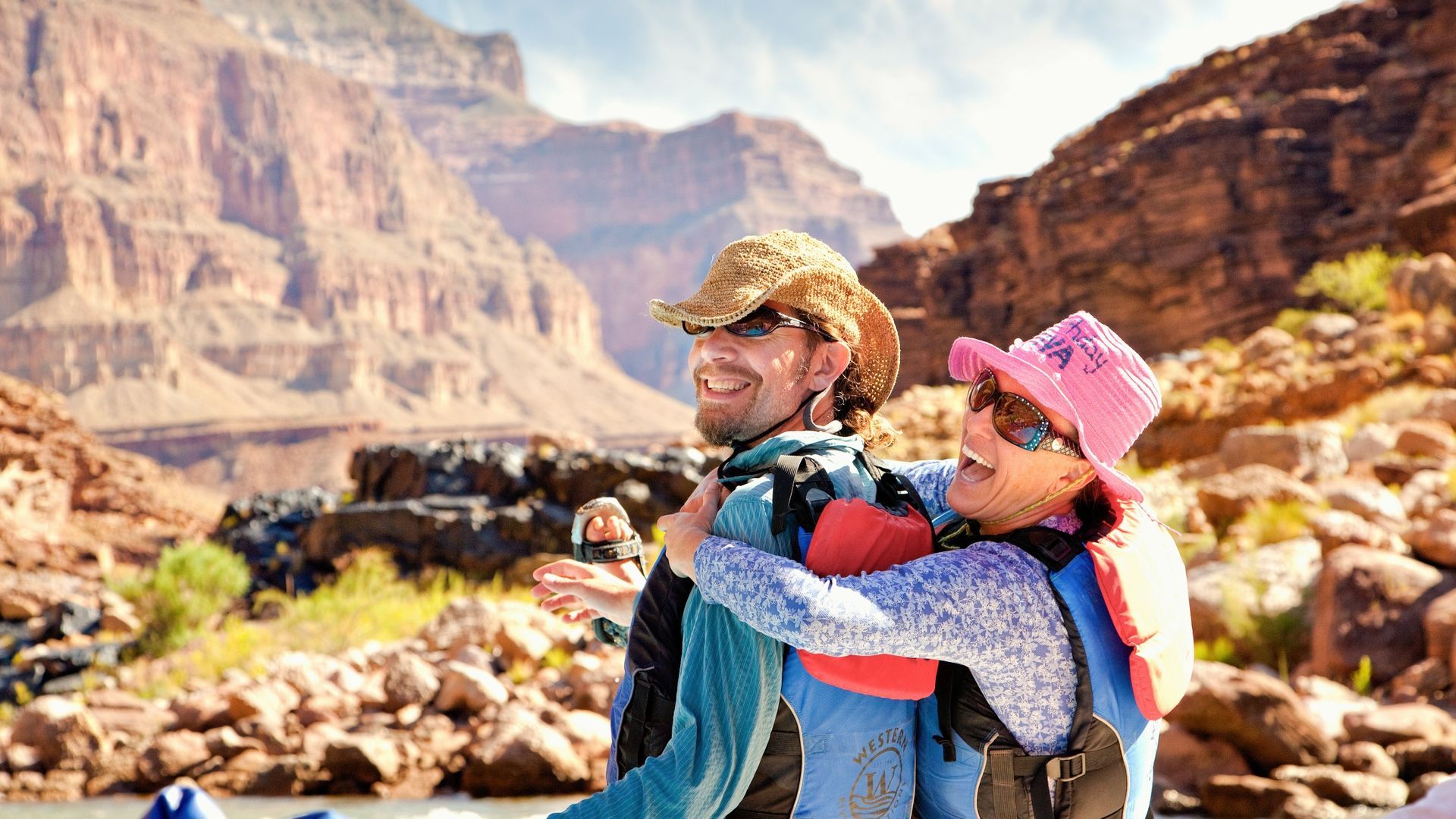
Watch: How to Pack for Your Grand Canyon Trip
This video will walk you through every item on the packing list, the bags, the clothing, the rain gear, and the specific quirks of packing for a Colorado River expedition. It's detailed, but worth every minute before you start throwing things in a bag.
What Western Provides
Guests often wonder, "How much camping gear do I need to pack?" The answer is almost none. Western River provides nearly everything you need to sleep and live comfortably on the river. You just show up with your duffle bag packed, and Western will provide the rest.
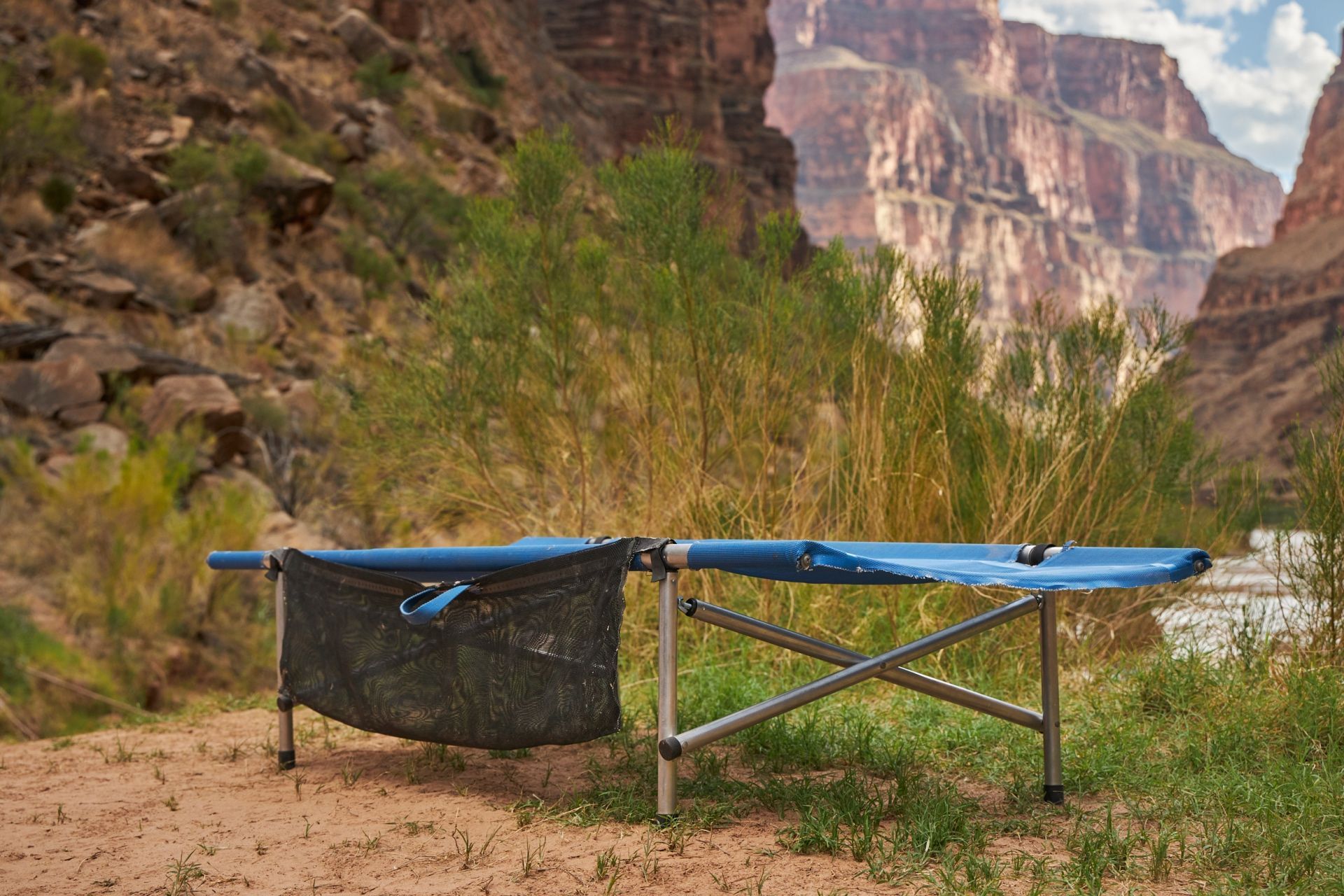
Sleeping Cot
Deluxe cot keeps you 12 inches off the ground. Makes it easier to get up and down.
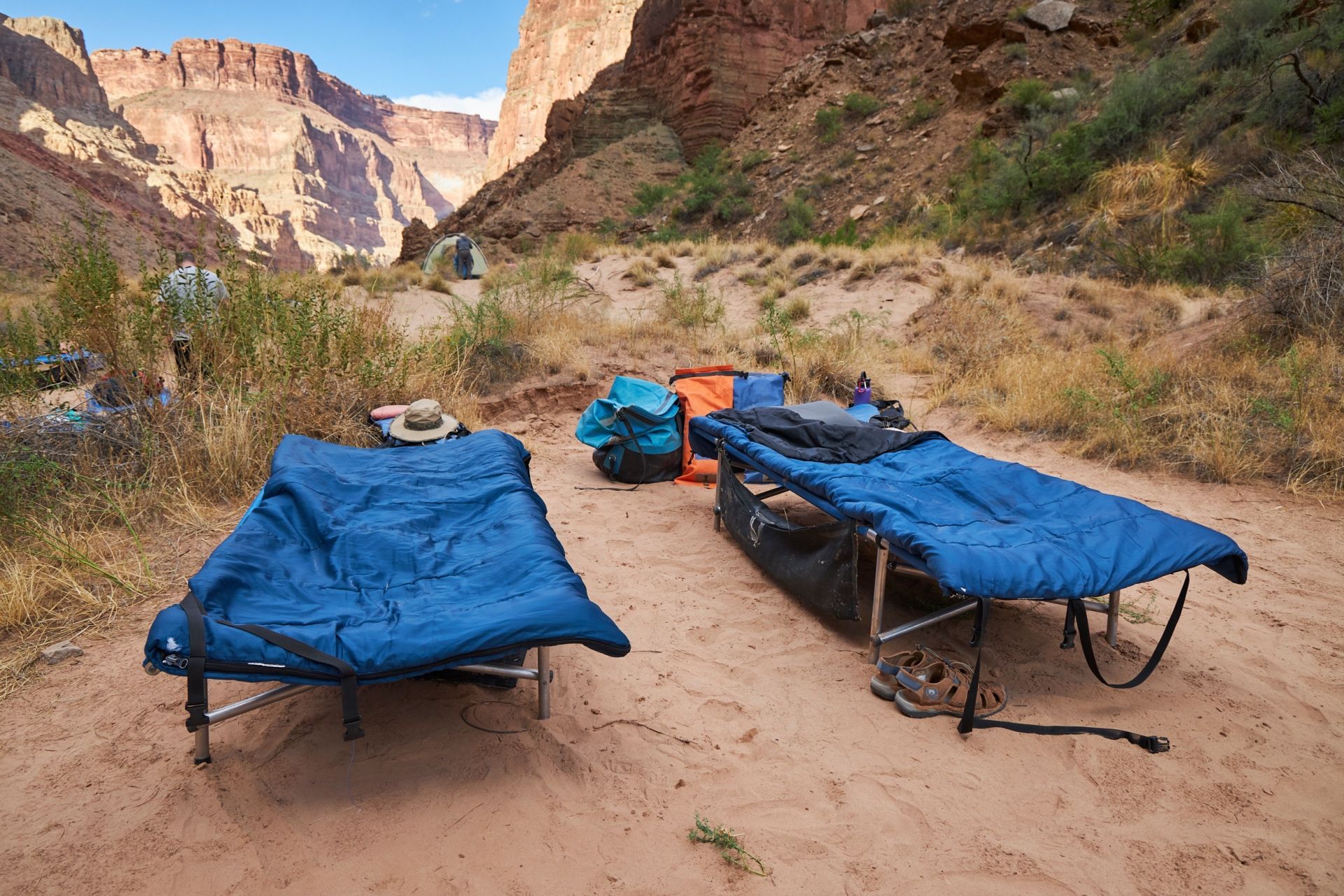
Sleeping Bag & Sheet
Freshly laundered sleeping bag with clean sheets and a ground cloth.
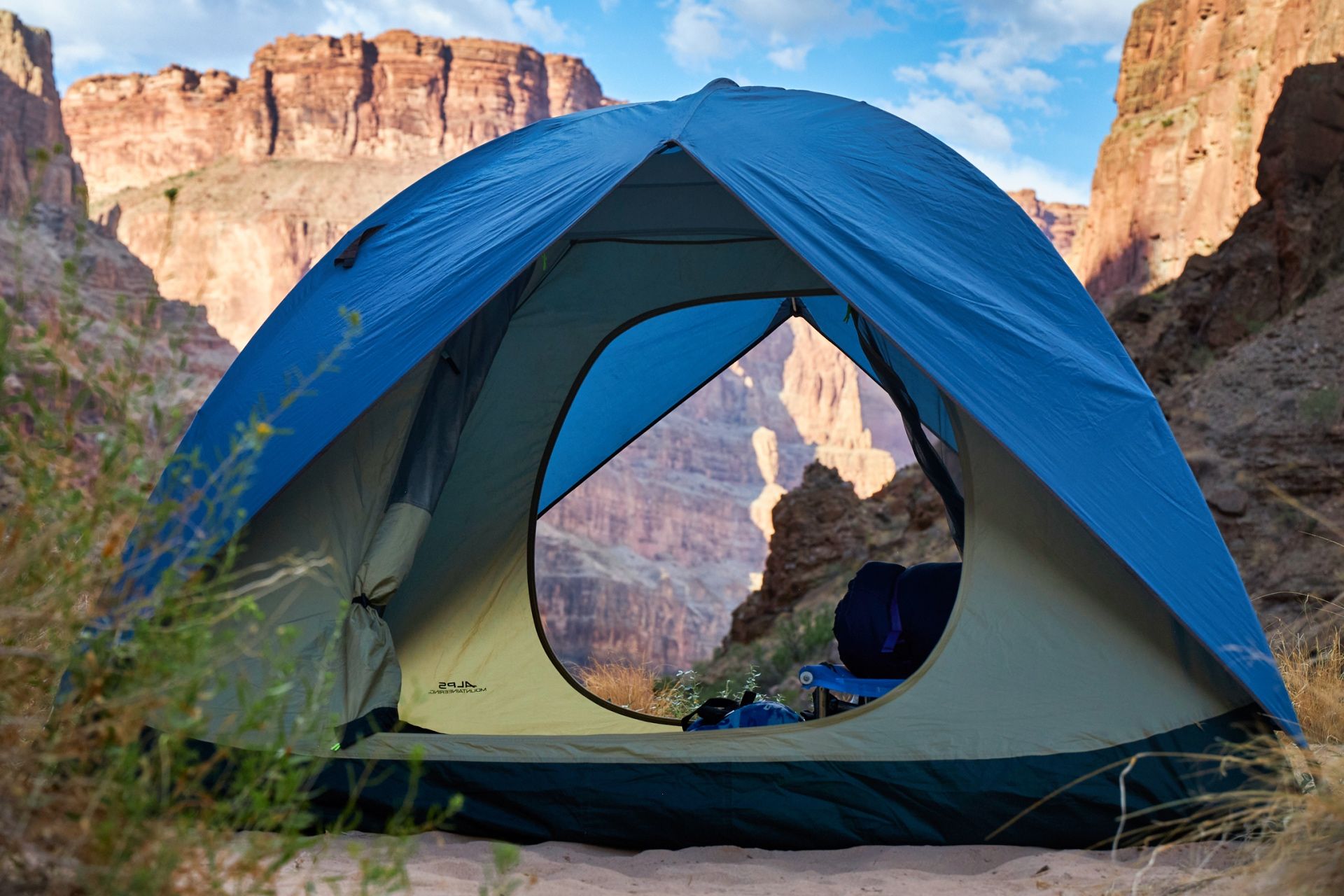
Tent
Two-person tents are always available. On clear nights most sleep under the stars.
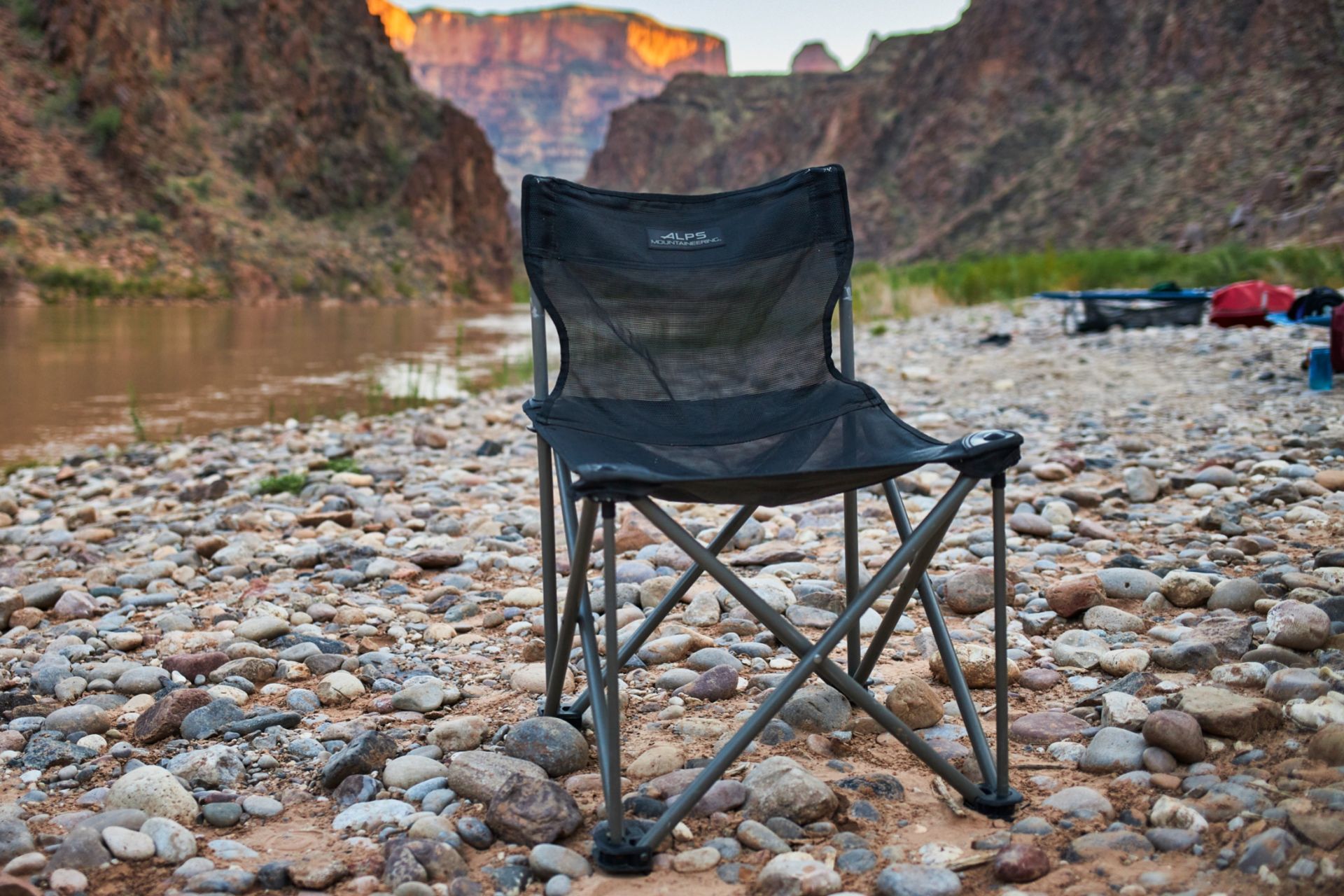
Camp Chair
A camp chair is provided for every guest. Perfect for relaxing on the beach.
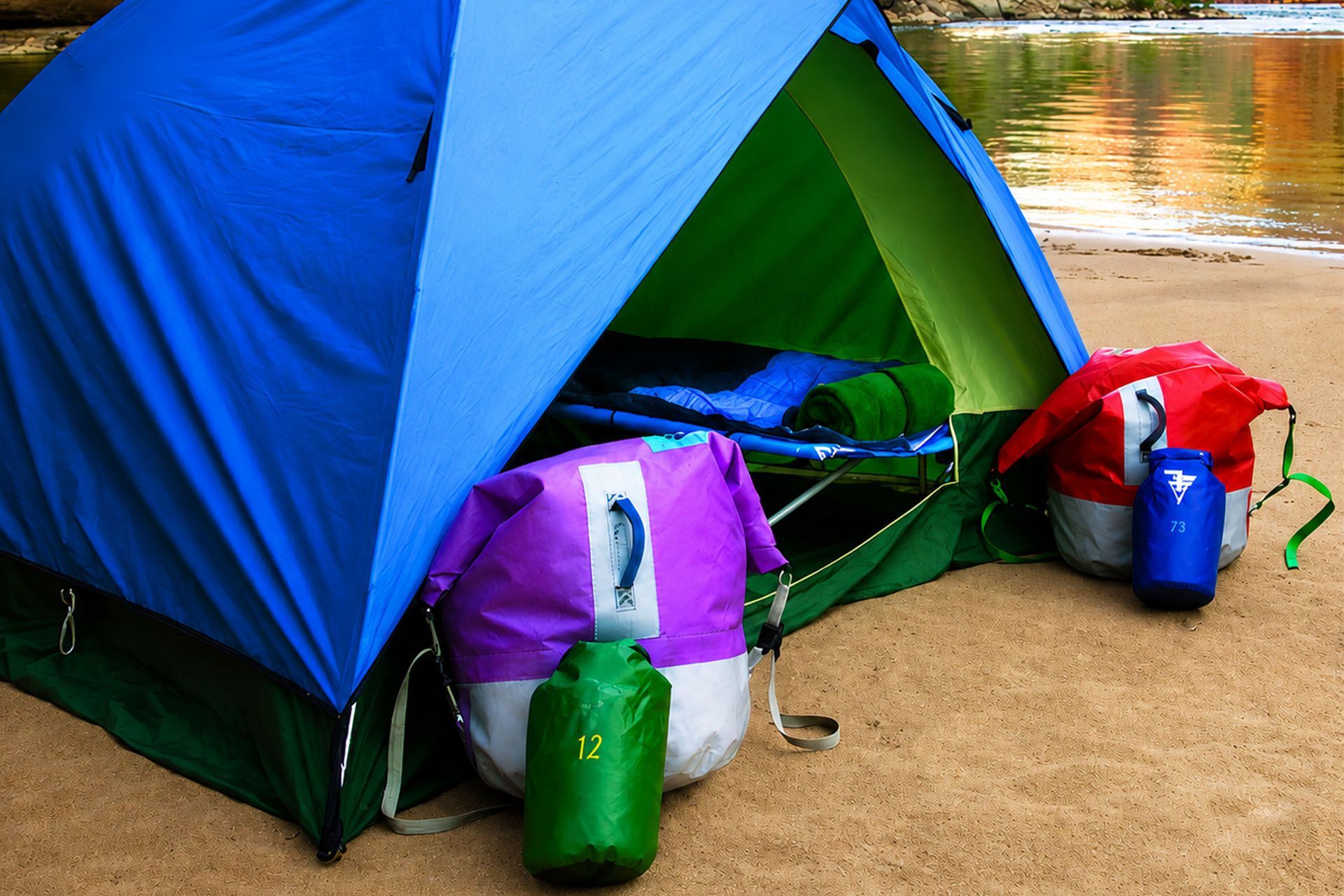
Overnight Dry Bag
Holds your personal duffle bag, sleeping bag, sheet, and ground tarp.
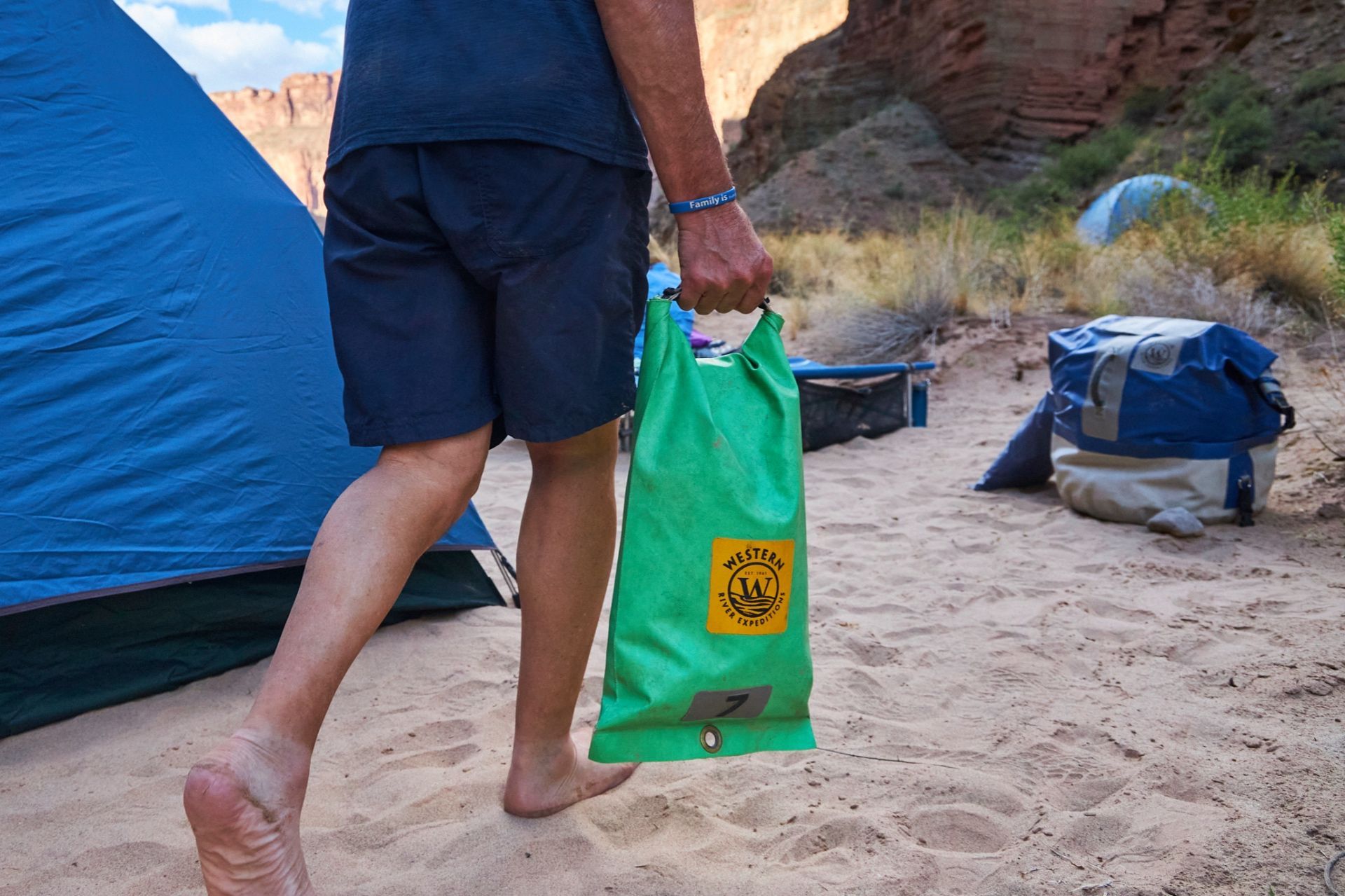
Dry Bag for Daytime Items
Keeps accessible rain gear, sunscreen, medications, lip balm, layers (7"x13").
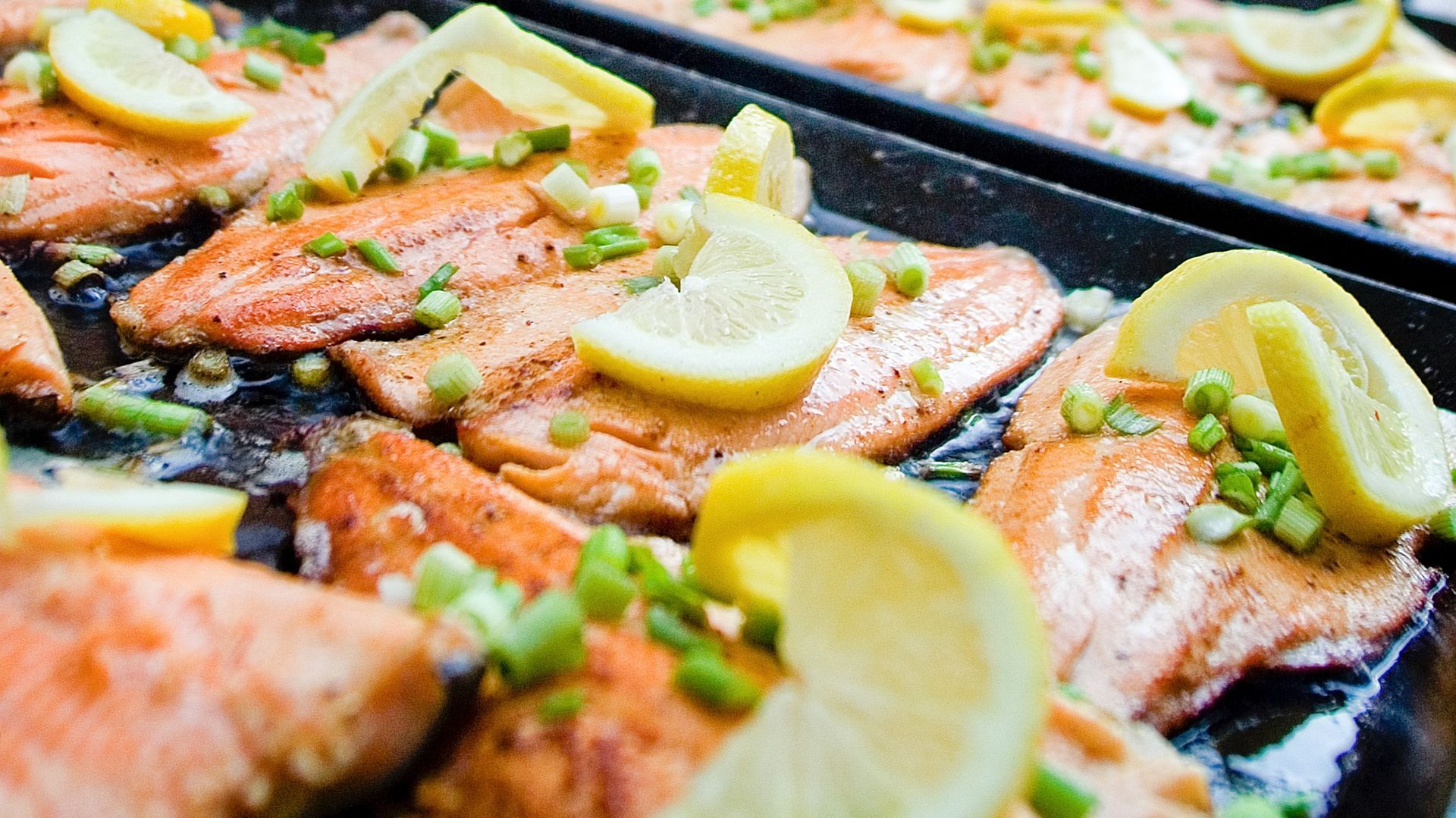
All Meals
Every breakfast, lunch and dinner is prepared for you at the river's edge.
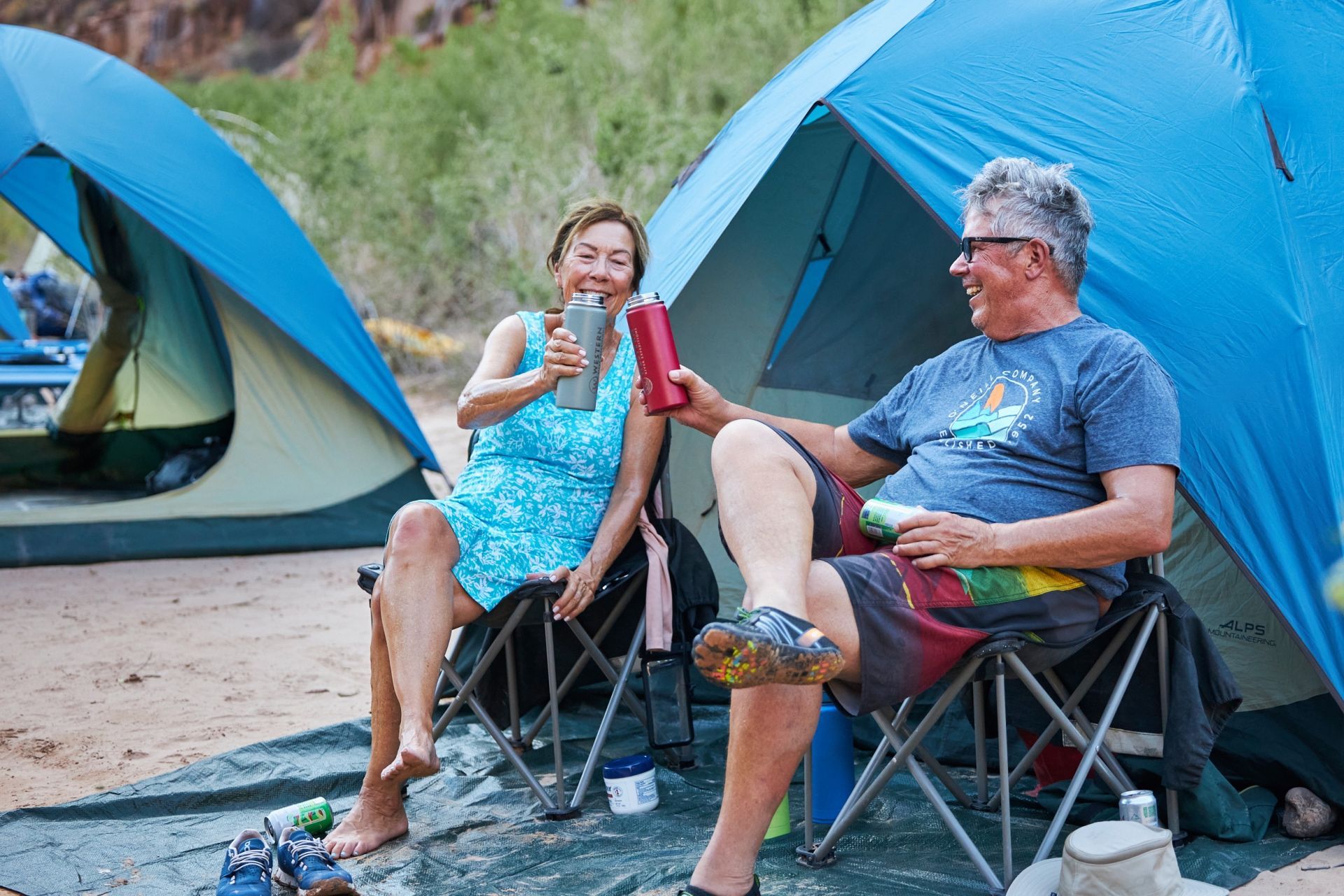
Water & Lemonade
Plenty of water and lemonade with electrolytes is provided for every guest.
How to Dress for the River
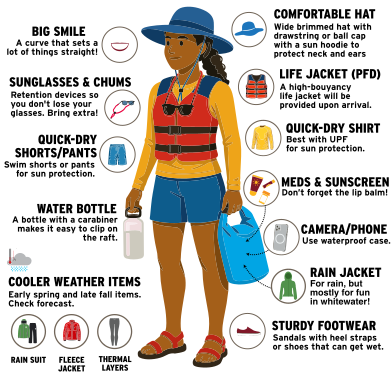
Quick Packing Guide
Here's a general idea of what to bring on your trip. See the full, printable PDF packing list for your trip below.
| CATEGORY | ESSENTIALS |
|---|---|
| SUN PROTECTION | SPF 30+ sunscreen, UPF Sun Hoodie, hat, sunglasses with strap |
| CLOTHING | Quick-dry shorts, swimsuit, t-shirt, long pants, camp clothes, sarong |
| FOOTWEAR | Sport/river sandals with a heel strap (broken in), camp flip-flops, socks |
| RAIN GEAR | Two-piece jacket + pants (offers protection against cold water & rainstorms) |
| BAGS | Soft duffle, 12x13x24 in, max 20 lbs, Western River Expeditions provides gear bag + day bag |
| TOILETRIES | Biodegradable soap, body lotion, medications, microfiber towel |
| GEAR | Water bottle w/ carabiner, headlamp, pillow, electrolytes, camera (phone case) |
| SPRING & FALL | Beanie, long underwear, down jacket, neoprene socks, splash jacket |
| PERSONAL | Credit card, photo ID, cash for gratuities |
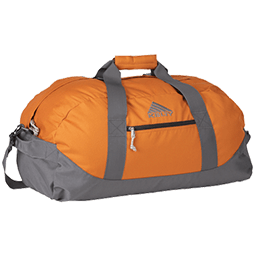
All of your personal items should be packed into a soft-sided duffle bag approximately 12" x 13" x 24" in size. Due to aircraft weight allowances and raft space, please limit your gear to 20 pounds.
Grand Canyon Packing List Tips
Pack everything into a soft-sided duffle bag approximately 12" x 13" x 24" in size. No wheels, no hard-sided luggage.
Weight limit: 20 lbs (not including beverages). This fits comfortably inside the dry gear bag Western provides at the launch site.
Sun Protection
The Colorado River corridor is harsh on unprotected skin. The combination of dry air, cold water, wind, and constant exposure requires planning and preparation. Here are some expert tips:
Sunscreen: Bring both a cream and an aerosol spray. The spray is especially handy for sandy feet and quick reapplication during the day on legs, arms, and shoulders. A good setup is:
- One 5–6 oz aerosol spray sunscreen
- One 5–8 oz cream or lotion sunscreen
SPF 30 minimum. SPF 50 is common on the river and worth considering for fair skin. Make sure it's water resistant.
Most people dramatically underestimate how much sunscreen they’ll use. You are reapplying multiple times daily while sweating, getting splashed, and swimming. A single small travel bottle is not enough.
Helpful tip:
Apply sunscreen before boarding the raft each morning, not after you already feel hot. The tops of feet, tops of knees and thighs, ears, and hands are some of the most commonly missed places and often the most painfully burned.
Lip balm with SPF: Essential. Dry desert air plus constant sun exposure can crack lips fast. Bring two SPF lip balms. Keep one in your day bag and the other in a pocket because they're easy to lose.
Wide-brimmed hat with chin strap: One of the highest-value items you can bring. The chin strap matters more than people realize. Wind gusts and rapids regularly send unsecured hats into the Colorado River forever.
If you'd rather wear a baseball cap for style preferences, a baseball cap / sun hoodie combo is another way to cover necks and ears.
Long-sleeve UPF shirts: Bring two or three lightweight hooded sun shirts. Experienced river runners wear long sleeves even in extreme heat because covering skin is cooler than constantly baking in direct sun.
Light-colored UPF shirts work best. They dry quickly, reduce sunscreen use, and cool surprisingly well when wet. Many guests end up wearing the same damp shirt all afternoon because it functions like portable shade.
Sunglasses with retaining strap: Bring two pairs if possible. Retaining straps are mandatory-level useful on rafting trips. Rapids, swimming stops, and sudden gusts claim sunglasses constantly.
Polarized lenses help reduce glare bouncing off the water and canyon walls. Amber, bronze, or gray lenses usually work best in the canyon’s bright light.
Helpful tip: cheap backup sunglasses are smarter than expensive regret.
Lightweight gloves: Surprisingly useful on longer trips. Wet ropes, sand, and repeated gripping can create painful rub spots and cracked skin over multiple days. Thin paddling, fishing, or biking gloves solve the problem without adding heat.
Most people don’t think to bring gloves. Many wish they had by day three.
Bonus expert tip:
Bring a small travel-size moisturizer or healing balm for camp. The combination of sun, sand, mineral-rich river water, and dry air can leave hands, face, and skin feeling surprisingly wrecked by the end of the trip, especially for people coming from humid climates. A little recovery at night goes a long way.
Clothing for River and Camp
Pack for function, not variety. Comfort, sun protection, and how clothing performs when wet matter far more than having fresh outfits every day. Most guests wear the same few practical layers over and over. Don’t overpack.
Swimsuits & Shorts
You will spend much of the trip wet, from rapids to swimming or intentionally soaking yourself to stay cool.
For women, two-piece suits, tankinis, or sports-bra-style tops are much easier for bathroom breaks and changing in camp than one-piece suits. Many women wear a swimsuit under river clothes all day. Quick-dry shorts over swim bottoms also make hot rocks and sandy beaches far more comfortable.
For men, lightweight board shorts or hybrid shorts are usually more comfortable than heavy swim trunks with mesh liners that stay wet and rub.
Lightweight synthetic shorts dry quickly after rapids, stay comfortable in the heat, and handle sand far better than heavier fabrics.
Helpful tip: zippered pockets are worth it. The Colorado River has an appetite for loose items.
Sun Shirts & River Layers
Lightweight long-sleeve UPF hooded shirts (“sun hoodies”) are some of the best clothing you can bring. They protect your neck, shoulders, and arms while reducing how much sunscreen you constantly need to apply.
Light colors work best in canyon heat. When wet, they become excellent evaporative cooling layers.
Helpful tip: bring one river shirt and one cleaner/drier shirt for camp. Pulling on a dry shirt after a long day on the water feels unbelievably good.
Quick-Dry vs. Cotton
Quick-dry synthetics are still the best all-around choice because they dry faster, stay lighter, and handle cool mornings, storms, and windy rapids better.
But many experienced river runners also wear lightweight cotton during peak summer heat because wet cotton stays cooler longer. In July and August, a soaked cotton shirt can feel like portable air conditioning.
The tradeoff: cotton feels amazing in direct sun and heat, but not so great once temperatures cool or wind picks up.
Most veteran guides use both:
Quick-dry synthetics for versatility
Lightweight cotton strategically during the hottest parts of the day
If you bring cotton, keep it thin and lightweight.
Camp & Evening Layers
Bring a dedicated dry set of camp clothes. Changing out of sandy river clothes at the end of the day becomes one of the best parts of the trip.
Lightweight long pants are useful for sun protection, cool evenings, wind, bugs, or simply giving your skin a break after days of exposure.
Even in summer, mornings on the river can feel cool before the sun reaches the canyon. Afternoon storms and windy rapids can also make a lightweight fleece or rain shell surprisingly valuable.
Avoid bulky cotton sweatshirts. They stay heavy and wet.
Socks & Underwear
Lightweight wool or synthetic socks become valuable for blisters, sand irritation, chilly mornings, or camp comfort. Thin merino wool socks work especially well.
Quick-dry athletic underwear performs far better than cotton after repeated soaking, sweating, and sitting in sandy conditions.
Expert Tip
Bring a small mesh laundry bag or gallon zip bag to separate damp clothes from dry camp layers inside your duffle or dry bag. By day three, staying organized matters more than people expect.
Final note
Nobody cares what anyone is wearing after the first day. Comfort wins. Practical wins. The people who packed light usually end up happiest.
Footwear
The right footwear is key. You'll be hiking, rafting and relaxing in your footwear. Here's what works best.
Strapped sport sandals or water shoes. Keen, Chaco, and Teva all offer options that work well on the rafts and on rocky canyon hikes. The critical requirement for sandals: a strap that secures the shoe to your foot around your ankle and heel. If you're choosing shoes, pick something built for the water that will be comfortable on the rafts and on hikes. The style of water shoes with mesh tops and thin soles don't work well for hiking.
Critical tip
Break your footwear in before you get here. New sandals that haven't been worn can create hotspots that are uncomfortable after a day on the river. Wear your river shoes or sandals for several days before the trip.
A Note on Flip Flops
Many guests like to have a pair of flip flops to wear around camp. It can be nice to switch out of your wet river sandals or shoes when you get to camp and put on a lightweight pair of dry flip flops.
Rain Gear: Worth Spending On
Rain gear is the most commonly underestimated item on the Grand Canyon packing list.
Yes, this is the desert, and no, it doesn't rain that frequently. But that's not why you need rain gear.
The Colorado River runs at approximately 52-60°F, cold enough that standing water hitting your body in the shade of the canyon walls, especially in the morning, creates a significant chill. Your rain jacket and pants serve as a spray shield through the rapids and during cool mornings, not just during storms.
What to bring:
- Two-piece rain jacket + rain pants: Both top and bottom. A poncho is not adequate, it doesn't protect your legs and it fights you in any wind.
- Quality matters: Coated nylon or Gore-Tex holds up. Lightweight vinyl sometimes doesn't survive through the end of the trip.
- Spring and fall trips: See the cooler weather additions section below.
The Bag System: Duffle, Gear Bag, Day Bag
Understanding how the three-bag system works makes packing at home much easier.
Your duffel (you bring): Soft-sided, ~12" x 13" x 24", 20 lbs max. This holds everything you don't need during the day, extra clothes, toiletries, camp gear. It rides inside the Western River overnight dry bag.
Overnight Dry Bag (provided at launch): A large waterproof dry bag. Your duffel goes inside, the top rolls and clips shut. This is how your personal gear stays dry throughout the trip. This bag is only available at camp each night, so it's important you pack anything you need inside your day bag.
Day bag (provided at launch): A smaller waterproof bag for items you access during the day, rain gear, sunscreen, lip balm, medications, camera, map. This one rides with you on the raft and is accessible all day.
Pro tip: At home, before you leave, pack your day-bag items into a separate grocery bag inside your duffel. When you get to the launch site and receive your day bag, you can transfer everything in one move, and nothing is forgotten in the excitement of getting on the water.
Toiletries and Personal Care
Keep it compact and travel-size. Everything should fit in a small toiletry bag. Pack liquids in Ziploc-style bags. Heat and pressure can cause containers to expand and leak.
Essentials:
- Toothbrush and toothpaste (travel size)
- Biodegradable shampoo, conditioner, and soap.
- Deodorant (travel size)
- Body lotion: Pack two tubes. The desert is drier than anything most guests have experienced. Skin cracks and dries rapidly, especially for guests coming from humid climates. "Overpack on the lotion and you'll be happy you did," as our guides say.
- Wet wipes / adventure bath wipes: Having a small pack of these is useful for cleaning up before bed when a full rinse isn't possible.
- Microfiber towel (dries quickly, packs small)
- Feminine hygiene products as needed
- Medications: Including any daily prescriptions, epi-pen, inhaler, insulin. Western River has cold storage available for medications requiring refrigeration. Bring an extra supply.
- Sunscreen (listed above, keep it in your day bag, not toiletry kit)
Gear and Personal Items
- Water bottle: Staying hydrated is one of the most important things you can do in the canyon, and one of the most commonly neglected. An insulated version keeps water noticeably cooler in the heat. Note that you will receive a souvenir bottle on the trip, but most guests like to use one for coffee, tea, hot chocolate, and juice in the morning and keep the other bottle for water and lemonade throughout the day.
- Carabiner(s): Clip your water bottle to the rope on the J-Rig so it's always within reach. Bring a second one for your day bag.
- Headlamp: Hands-free light for navigating to and from the portable restroom at night. A red light setting is ideal, it doesn't attract insects and is less disruptive in camp.
- Ziploc-style bags: 6–8 gallon or quart size. For personal trash, protecting electronics, packing liquids.
- Pillow: Western provides the cot, sleeping bag, and sheet. Bring your own pillow, a small travel or inflatable pillow works well. Sleep on it for a night or two before you leave to make sure you're happy with your choice.
- Camera: Many guests will use their phone camera. We suggest securing it in a waterproof case. Bag-style cases with lanyards that work well on the river and on hikes. If you plan to bring a standard point-and-shoot style camera, you can keep it in your day bag. Larger DSLR-style cameras can be brought in a compact Pelican Case or similar.
- Electrolytes: One packet per person per day (Liquid IV, Nuun, Vitalyte). The desert heat and physical activity accelerate dehydration faster than water alone can address.
- Contact lens note: Sand and wind can make contacts uncomfortable in the canyon. Bring glasses as a backup and extra pairs of contacts.
- Cash or check for guide gratuities: Tips cannot be processed by card on the river. A suggested guideline is 10% of the trip cost, split among the crew. Bring cash.
Spring and Fall Cold Weather Additions
April, May, and September trips can see canyon temperatures vary dramatically, especially mornings and evenings. The same cold 52°F river water feels very different in 70°F air than in 105°F air. You might experience 90°F daytime temperatures and comfortable temperatures at night, but these times of year can be unpredictable so it's best to be prepared for anything.
If your trip falls in these months, add the following:
- Warm hat (beanie): Useful even in summer for cool mornings. Essential in spring and fall.
- Long underwear, top and bottom: Base layer for sleeping in lower temperatures and layering on the water.
- Heavier fleece or down jacket: The lightweight fleece recommended for summer trips is not sufficient in spring and fall. A down jacket provides real warmth and packs small.
- Neoprene socks: Worn inside your sandals on the water. Cold river water hitting unprotected feet in the early morning is genuinely uncomfortable. These are inexpensive and make a significant difference.
- Full-finger gloves: Warmer than the summer-weight gloves. Keeps hands functional during cold morning rapids.
Your Trip Packing List
Every Grand Canyon trip shares the same packing fundamentals. A few details vary by trip length and activities. View and print the PDF packing list for your next Grand Canyon expedition.
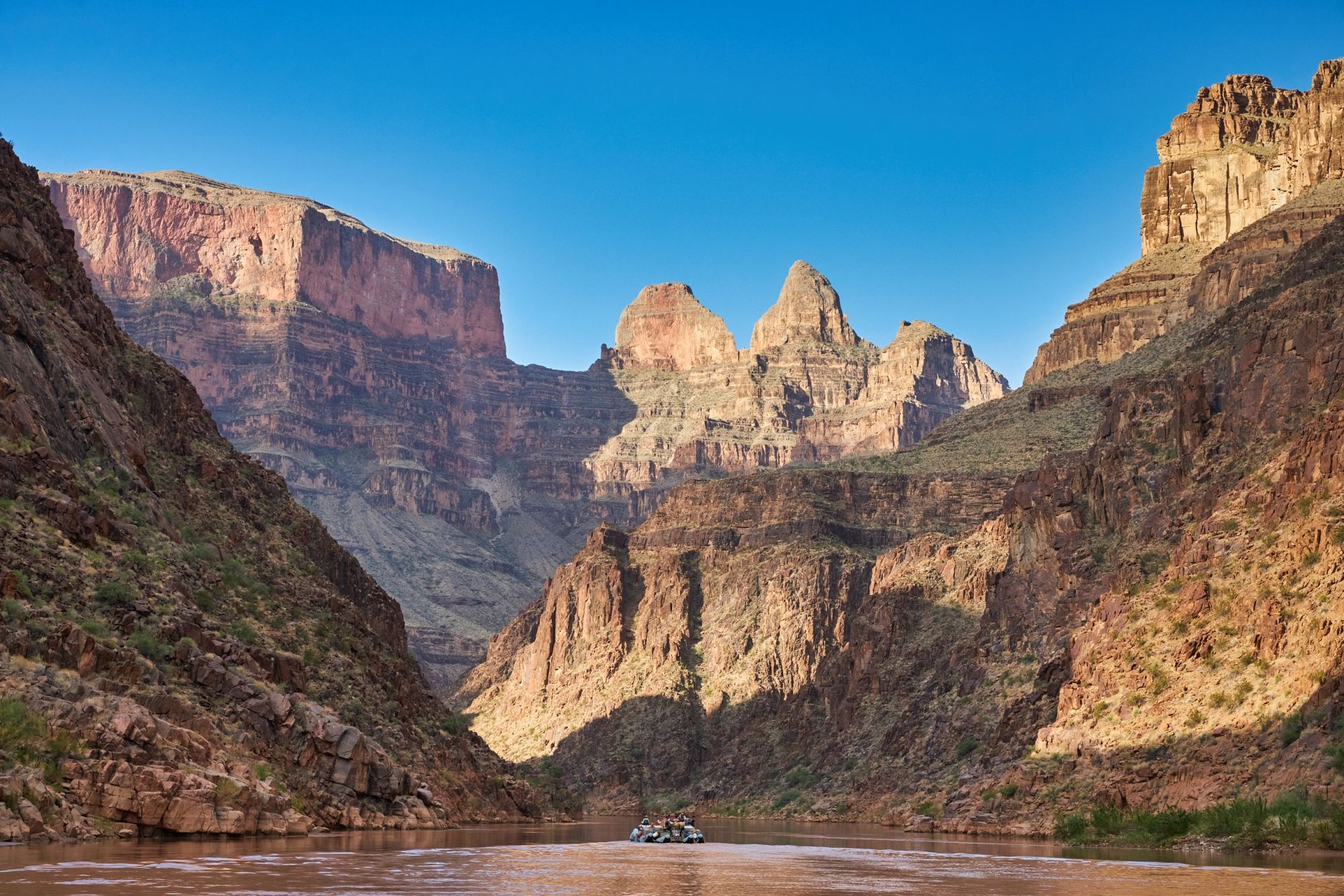
3-Day Grand Canyon Trip
Flight from Las Vegas, helicopter-in, launch at Whitmore Wash, jetboat out to Lake Mead, return to Vegas.
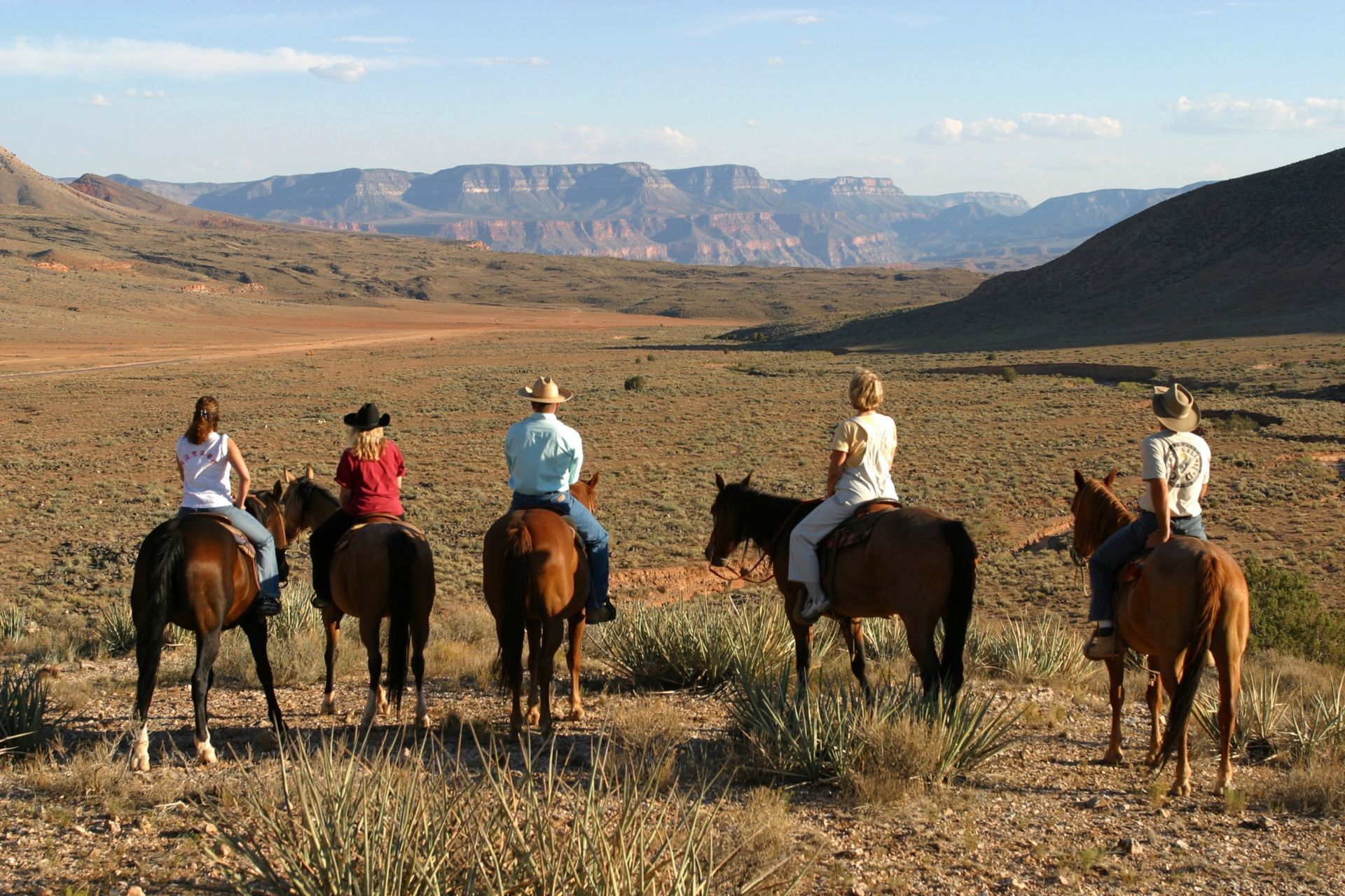
4-Day River & Ranch Trip
Flight from Las Vegas, night at Bar 10 Ranch, helicopter in, launch at Whitmore, jetboat out to Lake Mead, return to Vegas.
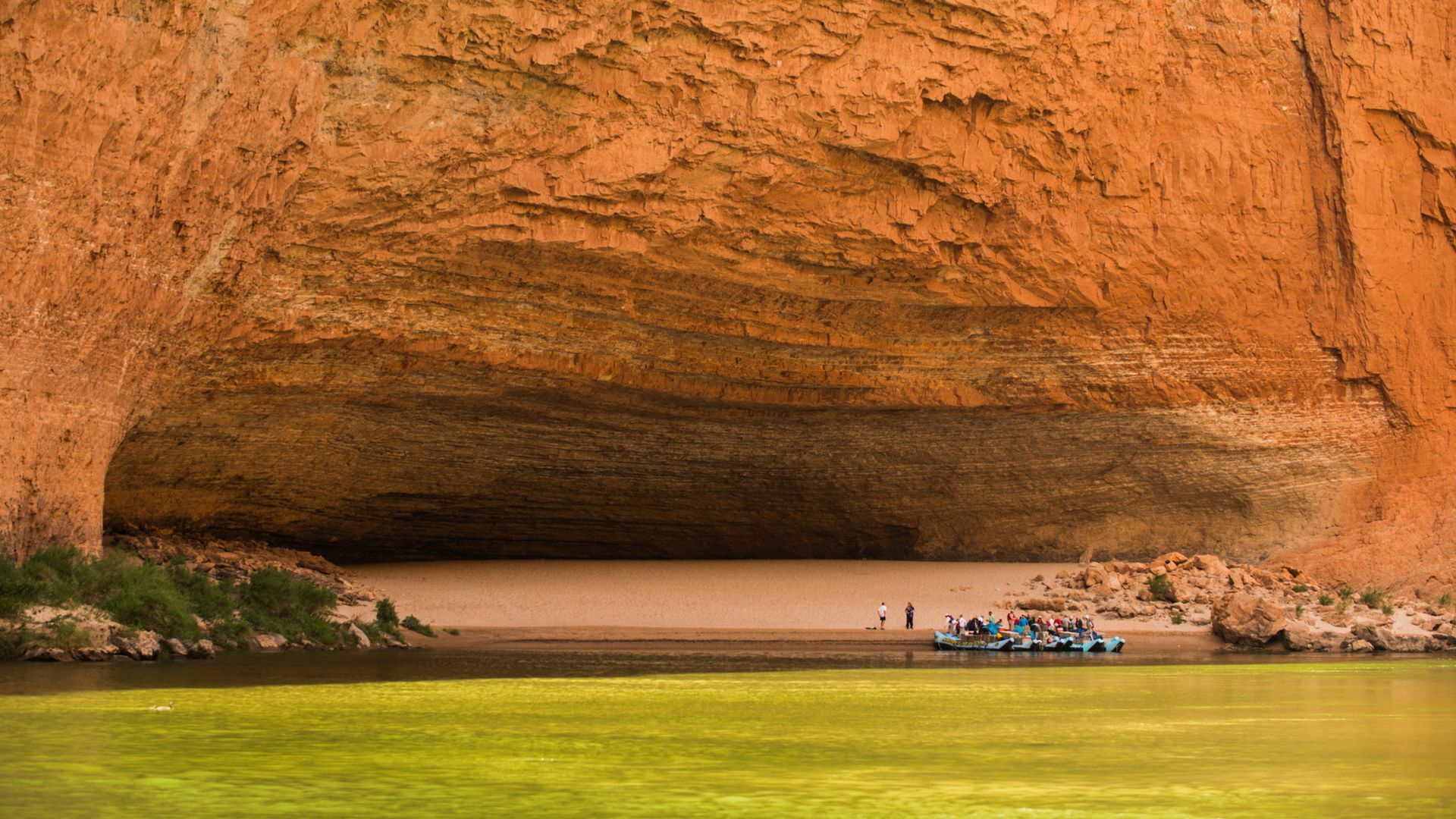
6-Day Grand Canyon Trip
Lees Ferry to just below Lava Falls with a helicopter out to Bar 10 Ranch. Return flight to Las Vegas or Page, AZ.
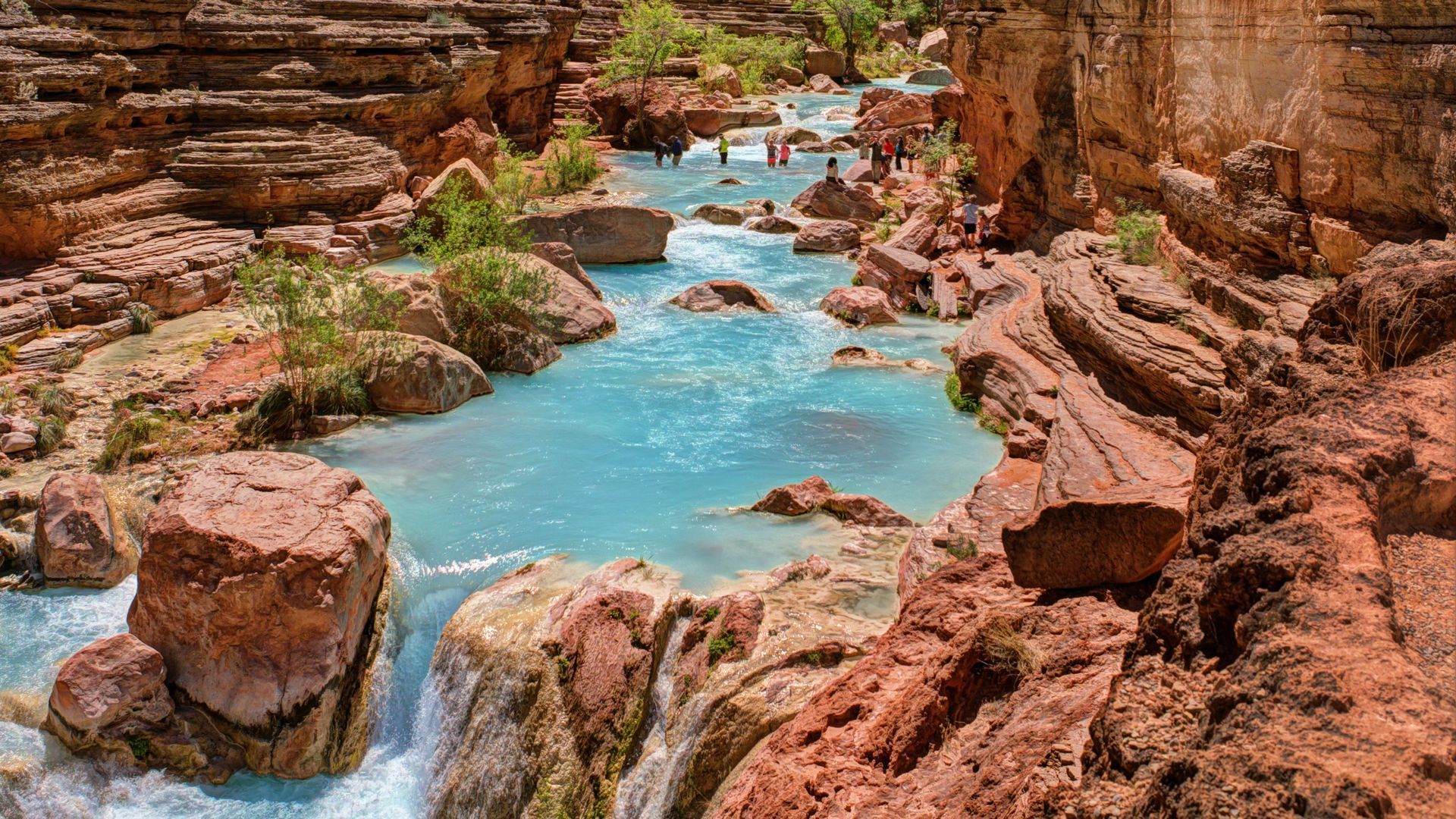
7-Day Grand Canyon Trip
Lees Ferry to just below Lava Falls with a helicopter out to Bar 10 Ranch. Return flight to Las Vegas or Page, AZ.
Let's explore Grand Canyon!
Everything on your packing list leads to one thing: days on the Colorado River you'll be retelling for years. Ride legendary whitewater, explore hidden waterfalls and side canyons, sleep beneath star-filled skies, and leave the meals, gear, and logistics to Western River's expert guides.
What Guests Say About Packing for the Canyon
"Don't skimp on high quality rain gear"
★★★★★
Follow their packing list suggestions, with these additional pro tips: don't skimp on high quality rain gear, bring several dry wicking sun hoodies, and pack twice as much sunscreen and lotion as you think you'll need
Thomas G. - Google Review
"I just show up with a small duffle"
★★★★★
I have done 11 whitewater rafting trips with Western and highly endorse them. They have the most comfortable boats in Grand Canyon, the food is excellent, and the logistics are left up to them. I just show up with a small duffle and they provide the rest.
Ashley - Google Review
"Still shaking sand out of my duffle bag"
★★★★★
Sure, I'm still shaking sand out of my duffle bag, and I won't soon forget just how chilly those early nights were, but more than anything, I'm walking away with lifelong friendships, incredible photos, and memories that will stay with me forever.
Paul A. - TripAdvisor

★★★★★
360+ REVIEWS

★★★★★
800+ REVIEWS

★★★★★
1K+ REVIEWS

★★★★★
80+ REVIEWS
Adventure with confidence
Frequently Asked Questions
How heavy can my bag be for the Grand Canyon rafting trip?
No more than 20 pounds, not counting your beverages. We know that sounds strict, but here's the reassuring part: once you see how little the river actually asks you to bring, 20 pounds is roomier than you'd expect. The limit comes from two real things, what our helicopters can safely carry on the fly-in trips and the space we have on the J-Rig rafts. The easiest approach is to pack your duffel at home, set it on the bathroom scale, and pull anything that tips you over. Most guests come in under without even trying.
What does Western River Expeditions provide on the trip?
We bring everything you need to sleep and camp comfortably: a cot, sleeping bag, sheet, ground tarp, tent, and camp chair. You'll also get a large waterproof gear bag that keeps your duffle dry through every rapid, a smaller day bag for the things you want with you on the water, and all your meals and non-alcoholic drinks for the whole trip. The one thing we don't hand you is a pillow, so tuck a small travel pillow into your duffle and you're all set. If you're curious what a night actually feels like down there, our Grand Canyon camping page walks you through it.
What kind of shoes work best for Grand Canyon rafting?
A strapped sport sandal is your best friend out here. Keen, Chaco, and Teva all make pairs that handle the J-Rig and the rocky canyon hikes equally well. The thing that really matters is a strap that holds the shoe to your foot, because open-toed slip-ons just don't give you the footing you need on wet rock. Bring a second light pair too, flip-flops are perfect for slipping on around camp while your river shoes dry. And here's the tip we give just about every caller: break your sandals in before you come. Brand-new footwear plus a canyon hike is how blisters happen, so wear them around the house and on a few walks first.
Do I really need rain gear if I'm going to the Grand Canyon in the summer?
Yes, and we promise it isn't about rain. The Colorado River runs around 52°F at Lees Ferry, so when you're sitting in the shade of the canyon walls in the morning with cold spray coming off the rapids, that chill is very real. Think of your rain jacket and pants less as storm gear and more as a windbreaker and a spray shield that keep you warm through the cool parts of the day. Desert weather can surprise you too, so it's nice to have either way. Go with quality coated nylon or Gore-Tex; the cheap vinyl kind tends to give out in the first few days on the water.
What goes in the day bag vs. my main duffle?
Your day bag (provided by Western at the launch) holds everything you need access to while on the water: rain gear, sunscreen, lip balm, medications, camera, water bottle, and a map if you're carrying one. A pro tip: pack these day-bag items into a separate grocery bag inside your duffle before leaving home. When you get to the launch site and receive your day bag, you transfer in one move, nothing forgotten in the excitement of departing.
Your main duffle holds everything else: camp clothes, extra river clothes, toiletries, sleeping pillow, and anything you won't need during the day. It rides in the waterproof gear bag Western provides, completely sealed against rapids.
Can I bring my phone or camera on the river?
Yes, but protect it. Your phone will need to be in a waterproof case or pouch while on the water. The day bag we provide is water-resistant but not fully submersion-proof; keep your phone in an additional case inside it. For cameras, waterproof point-and-shoots work great. If you're bringing expensive camera equipment, a Pelican case provides strong protection. There are no charging facilities on the river, bring an external battery pack.
What should I pack differently for a spring or fall trip?
Spring (April–May) and fall (September) trips can see morning temperatures in the 50s and evening temperatures well below summer norms, while daytime canyon temperatures remain warm. The same layers that keep you comfortable on a summer trip aren't enough. Add a beanie, polypropylene long underwear (top and bottom), a down jacket or heavy fleece, neoprene socks for wearing inside your sandals on cold mornings, and heavier gloves. You may not need all of it, but you'll be glad it's in the bag if you do. Check the Grand Canyon weather page for monthly temperature ranges.
Are there any items I should leave at home?
A few, yes. Skip the hard-sided suitcases and roller bags. Everything needs to fit into a soft-sided duffle so it can slide inside our waterproof gear bags. Leave delicate electronics behind unless you can protect them in a Pelican case. And try to resist packing extra clothes, this is the one we gently warn just about everyone about, because guests almost always bring more than they end up wearing and the weight adds up fast against that 20-pound limit. When in doubt, leave it out. You'll be happier with a lighter bag.
Still curious to learn more?
See more common questions or contact us.
Keep Planning Your Grand Canyon Trip
Grand Canyon River Trips
All Grand Canyon trip options with dates and rates.
Best Time To Visit
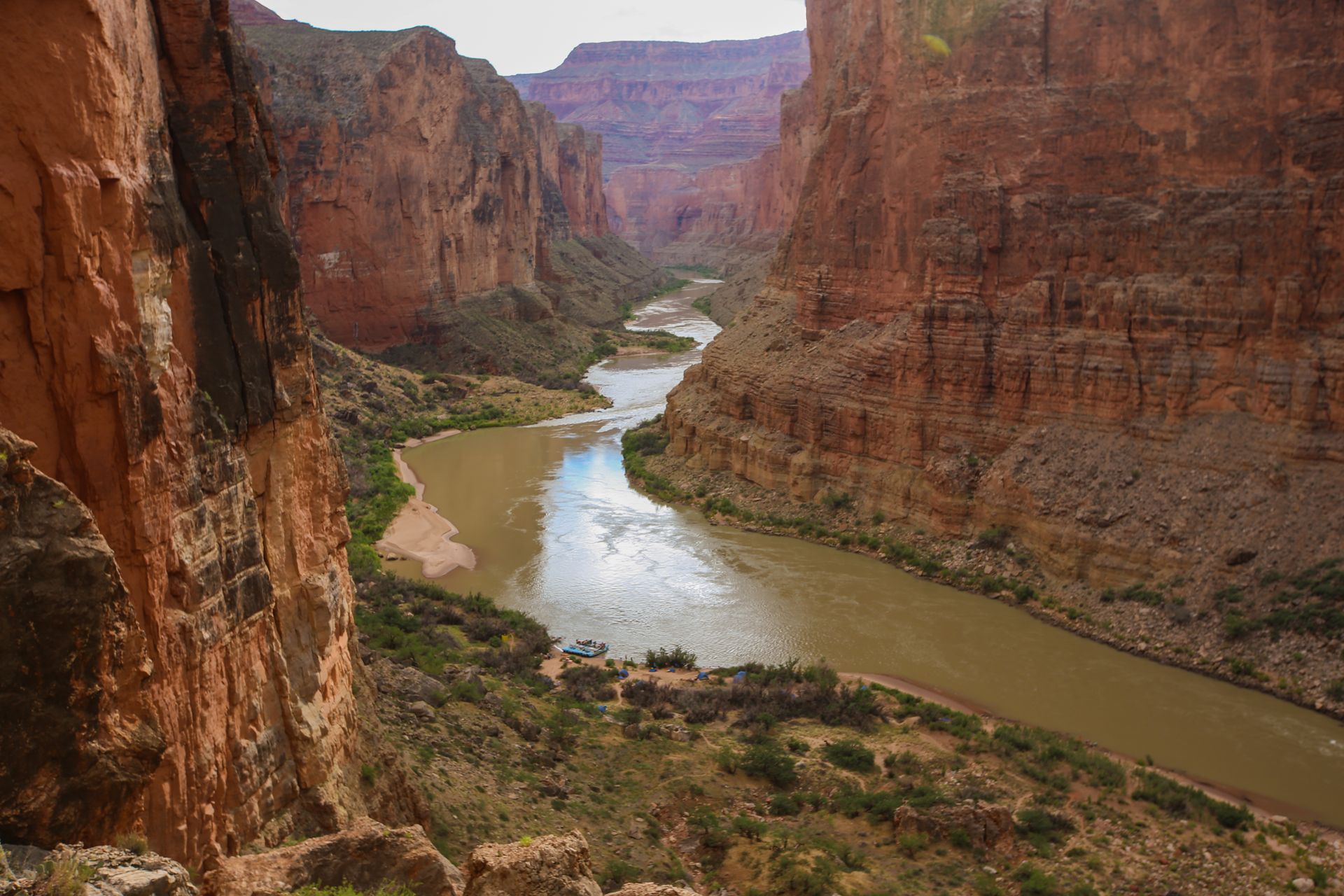
See the best times to visit Grand Canyon
Grand Canyon Rapids
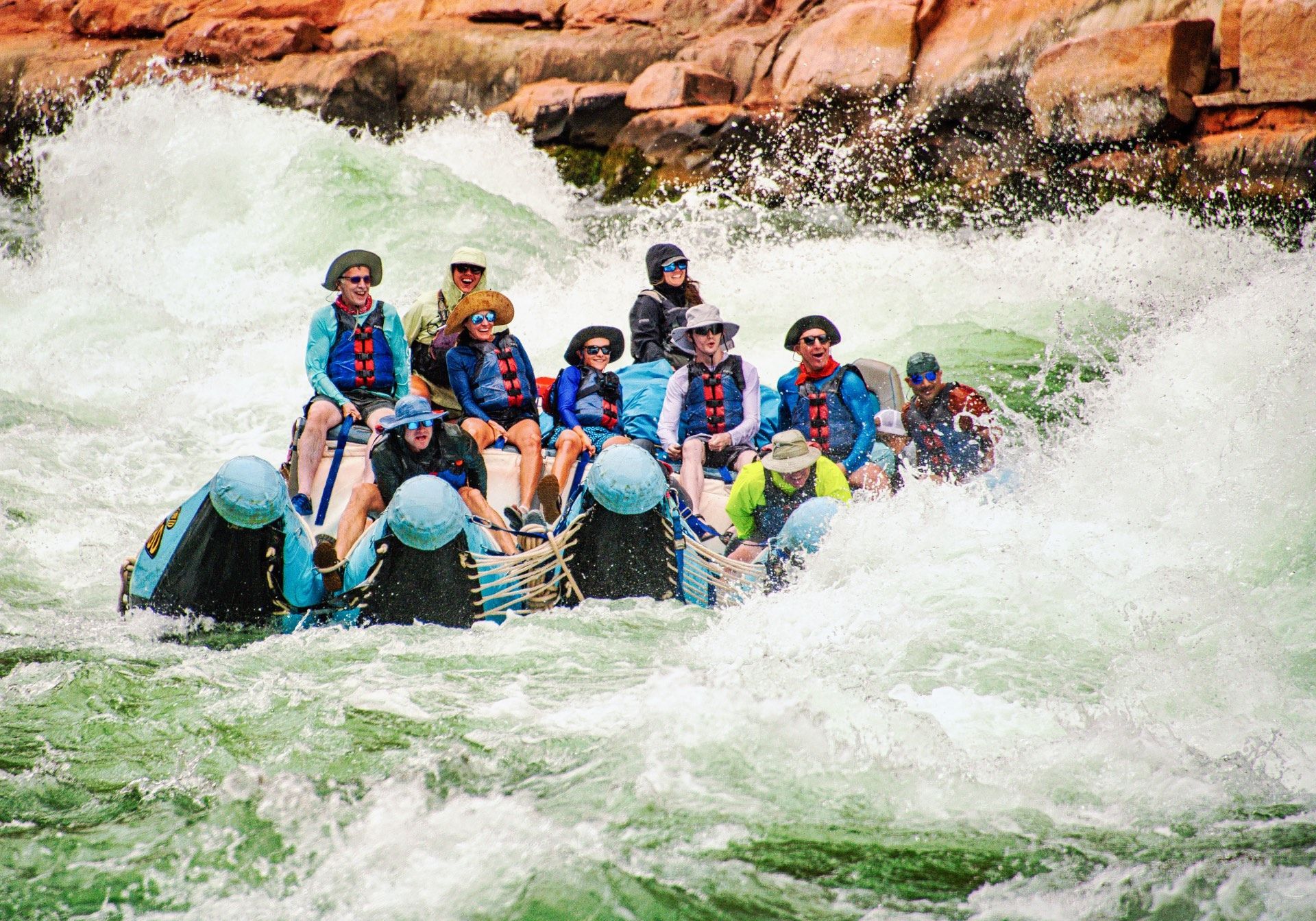
Learn more about the whitewater in Grand Canyon.
Grand Canyon Weather
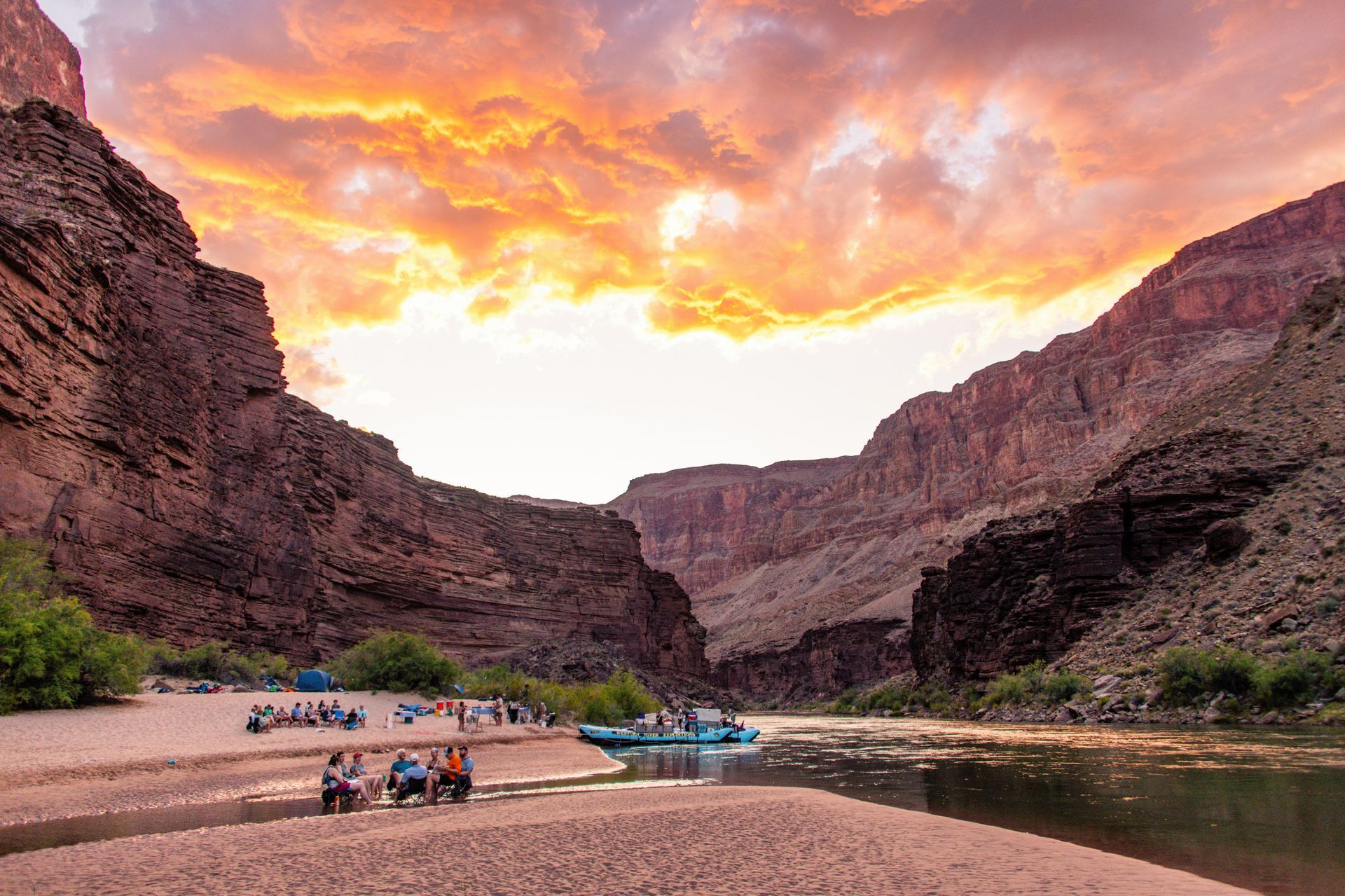
Temperature, water conditions, and what to expect by month.
Find the perfect Grand Canyon rafting trip.
Get river maps, itineraries, camping details, weather, packing lists, travel logistics and more, all in one place. Choose your trip length and we'll send you a PDF with all the details in one place.