GRAND CANYON, ARIZONA
Grand Canyon Weather by Month
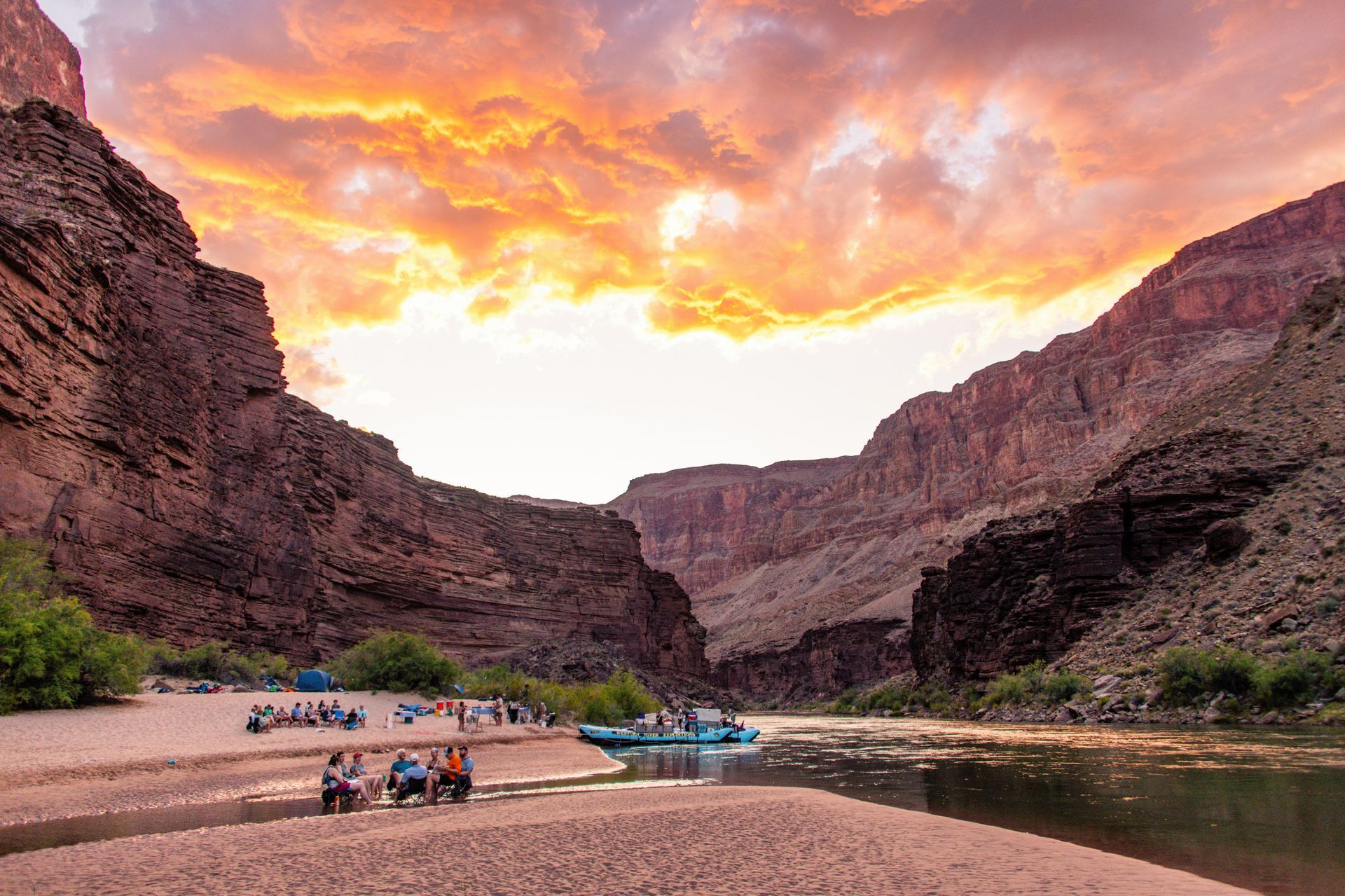
The weather at the bottom of the Grand Canyon is a different world from the rim. While the South Rim sits around 7,000 feet above sea level, roughly 5,000 feet above the river, the inner canyon is significantly warmer. Average river-level highs at Phantom Ranch range from about 81°F in April to 104°F in July. The Colorado River stays cold year-round, with water temperature varying by Lake Powell conditions, season, and how far downstream you travel.
Western’s motorized Grand Canyon rafting season runs from April through mid-September, with generally milder conditions in April, May, and September and more consistent heat from June through August. Conditions can still shift quickly from sun to storms during any trip. For help choosing the month that best fits your group’s comfort level and schedule, see our
Best Time to Raft the Grand Canyon guide.
Explore Grand Canyon Weather
Concerned About Grand Canyon Flood or Fire Reports?
Conditions reported in one creek, trail, or rim location do not necessarily describe conditions along the Colorado River. Learn how Colorado River conditions, side-canyon flash floods, fires, and local closures differ, and how Western River evaluates each departure.
Why the Canyon Bottom Is Hotter Than the Rim
The Grand Canyon’s dramatic elevation change creates very different conditions from rim to river. The South Rim sits around 7,000 feet above sea level, while the Colorado River is roughly 5,000 feet lower. As you descend, temperatures rise, and the canyon walls absorb and radiate heat throughout the day. That is why a mild forecast at the rim can mean much warmer conditions on a rafting trip, and why the Phantom Ranch forecast provides a better picture of temperatures along the river.
The Best Weather Forecast to Check for the River
Many visitors simply type in “Grand Canyon weather forecast” and find themselves checking the forecast on the rim, which is significantly different from the weather at the bottom of the canyon. Be sure to check the
Phantom Ranch weather forecast. If you’re rafting the lower canyon on a 3- or 4-day trip, the
Meadview forecast can provide another useful reference for conditions farther west in the canyon.
Grand Canyon Temperatures by Month
The data below show average high and low temperatures at Phantom Ranch, approximately 2,530 feet above sea level and near river level, compared with average South Rim highs. Water temperature is covered separately below because it varies by season, Lake Powell conditions, and river location.
| MONTH | INNER CANYON HIGH | INNER CANYON LOW | SOUTH RIM HIGH |
|---|---|---|---|
| MARCH | 73°F | 46°F | 52°F |
| APRIL | 81°F | 52°F | 60°F |
| MAY | 91°F | 61°F | 70°F |
| JUNE | 102°F | 70°F | 81°F |
| JULY | 104°F | 75°F | 84°F |
| AUGUST | 101°F | 72°F | 81°F |
| SEPTEMBER | 95°F | 66°F | 76°F |
| OCTOBER | 82°F | 55°F | 63°F |
Inner-canyon high and low temperatures are NOAA 30-year climate normals for Phantom Ranch (elevation 2,530 feet). South Rim temperatures are from Grand Canyon National Park. These are monthly averages measured in the shade; actual conditions vary, and temperatures in direct summer sun can be significantly hotter.
Choose Your Grand Canyon Adventure
The Grand Canyon doesn't feel the same in April as it does in July. The light is different. The temperatures are different. Even the waterfalls, wildflowers, and desert skies change with the season. What stays the same is the reason people remember these trips for the rest of their lives: spectacular canyon scenery, exciting days on the river, nights under the stars, and experiences that are impossible to recreate anywhere else.
Questions? Call (801) 459-3525
and talk to someone who has been there.
Adventure with confidence
Common Weather Questions
How hot does it get at the bottom of the Grand Canyon?
July is typically the hottest month, with an average river-level high of about 104°F and an average low of about 75°F at Phantom Ranch. Individual days can exceed 110°F, and temperatures in direct sun can feel considerably hotter. June, July, and August are the hottest months; September begins to cool. On summer trips, the cold Colorado River provides welcome relief through rapids and opportunities to cool off along the way.
What is the temperature difference between the South Rim and the canyon bottom?
During rafting season, daytime temperatures near the river are typically around 20°F warmer than at the South Rim, though the difference varies with weather and time of day. In July, for example, Phantom Ranch averages a high of about 104°F, compared with approximately 84°F at the South Rim. Standard Grand Canyon forecasts often reflect rim conditions, so the Phantom Ranch forecast is a better reference for temperatures along the river.
The temperature table above reflects inner-canyon conditions.
How cold is the Colorado River water?
The Colorado River stays cold throughout the Grand Canyon rafting season. Water released below Glen Canyon Dam has historically averaged in the low 50s, although lower Lake Powell levels have produced warmer releases in recent years. The river then gradually warms as it travels downstream, especially during summer, so water temperatures can vary considerably by year, season, and river mile.
Rain gear provides useful protection from cold splashes, particularly during cool mornings and early-season trips. Some guests also bring a splash jacket for added comfort in spring.
What is the rainy season in the Grand Canyon?
The Grand Canyon's monsoon season runs from approximately mid-July through mid-September. During this period, moisture from the Gulf of Mexico and Gulf of California moves north into the Southwest, generating afternoon and evening thunderstorms. The storms are often dramatic, sudden, intense, and short. In the canyon, monsoons can produce spectacular waterfalls on walls that are dry the rest of the year. Outside of monsoon season, the inner canyon averages less than 10 inches of rain per year.
What happens if there's a flash flood during a Grand Canyon rafting trip?
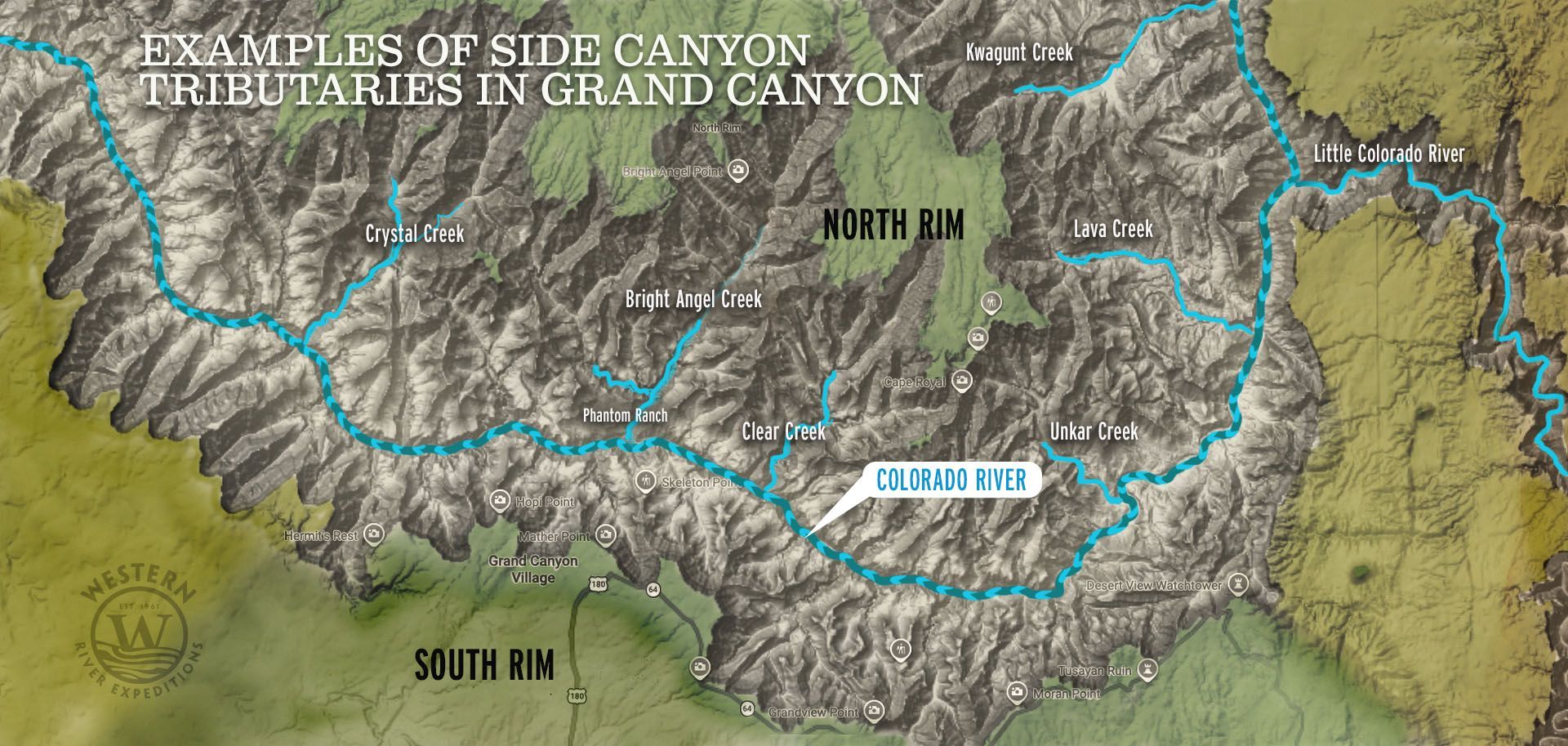
Flash floods in the Grand Canyon most often affect side canyons and tributaries rather than the entire Colorado River corridor. Western River guides monitor changing conditions, recognize warning signs, and may change a hike, camp, stop, or schedule to keep the group away from an affected area.
If a flash flood enters the main river channel from a side canyon, it generally doesn't make any significant difference to the water levels, but it can bring more sediment and debris (driftwood) into the river and change the water color temporarily.
Does the Grand Canyon get cold at night during rafting season?
Yes, especially in spring and early fall. April nights average about 52°F, while July—the warmest month—averages about 75°F overnight. Even in summer, the shift from intense daytime heat to cooler canyon air can feel noticeable, which is why Western’s packing list still includes layers. See the Grand Canyon packing list for what to bring.
What should I wear for summer Grand Canyon rafting?
Quick-dry clothes are essential for both early and late-season Grand Canyon rafting trips. During summer trips, guests appreciate having UV-protective long sleeves such as a sun hoodie and a protective hat. You'll want layers for morning and evening, as temperatures can vary significantly. The Grand Canyon packing list has the complete breakdown of what you'll need.
How reliable is the Phantom Ranch forecast?
The Phantom Ranch weather forecast should be fairly reliable for that location along the river, but note that Grand Canyon rafting trips cover 277 miles of river. While you can get a general idea of potential weather patterns for an upcoming rafting trip from the Phantom Ranch weather forecast, be sure to prepare for a variety of possible conditions on your trip.
If you are participating in a Grand Canyon three or four day trip, you might also consider checking the Lake Mead and Las Vegas forecasts.
Still curious to learn more?
See more common questions or contact us.
What Each Month Feels Like on the Colorado River
Spring
April & May
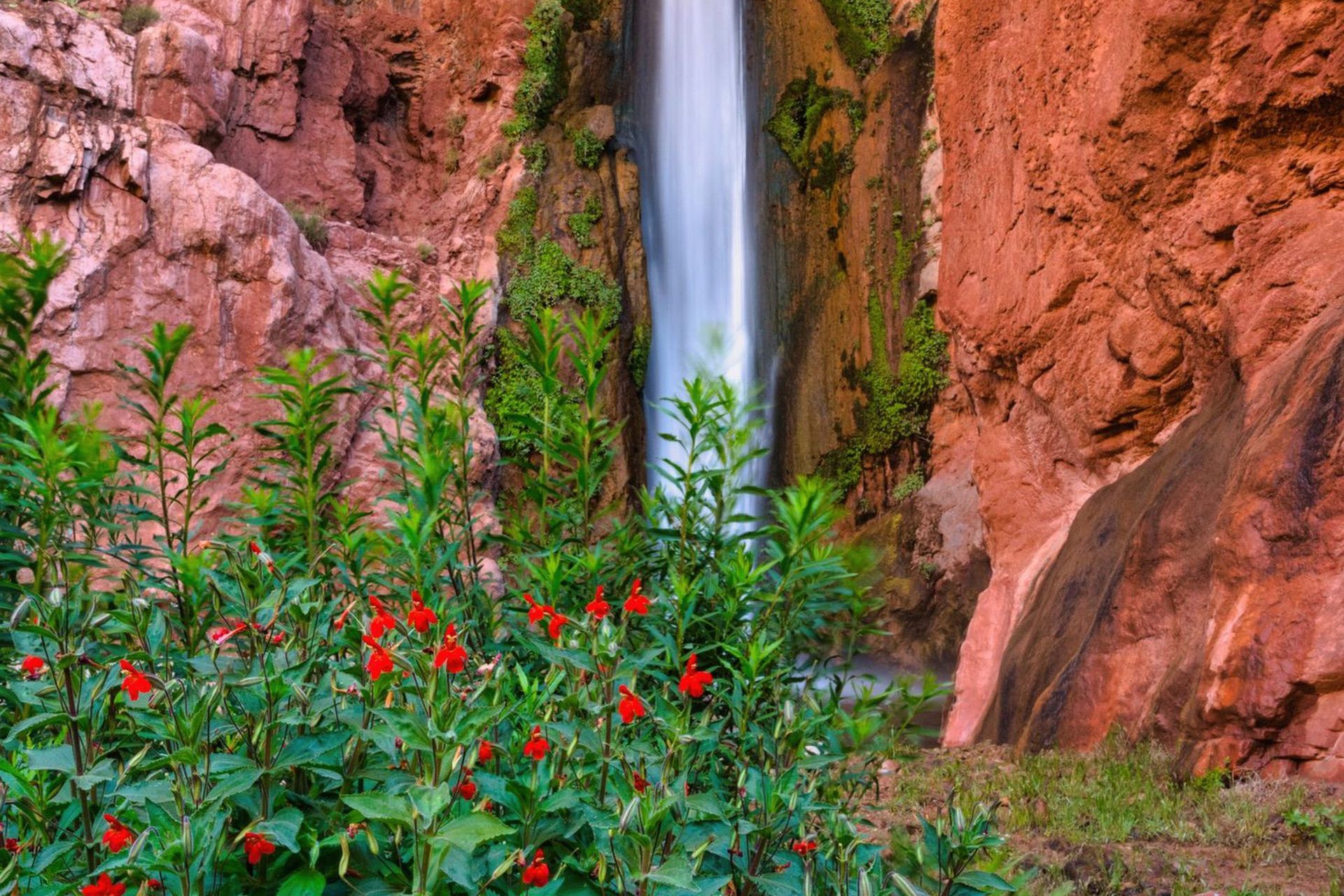
April and May are when the canyon begins to warm up. April can be unpredictable, with cool mornings, occasional cold fronts, and sudden swings into real heat, while May settles into more consistent warmth with highs climbing into the 90s. The river is still cool, creating a refreshing contrast that makes spring days on the water feel just right.
SUMMER
June & July
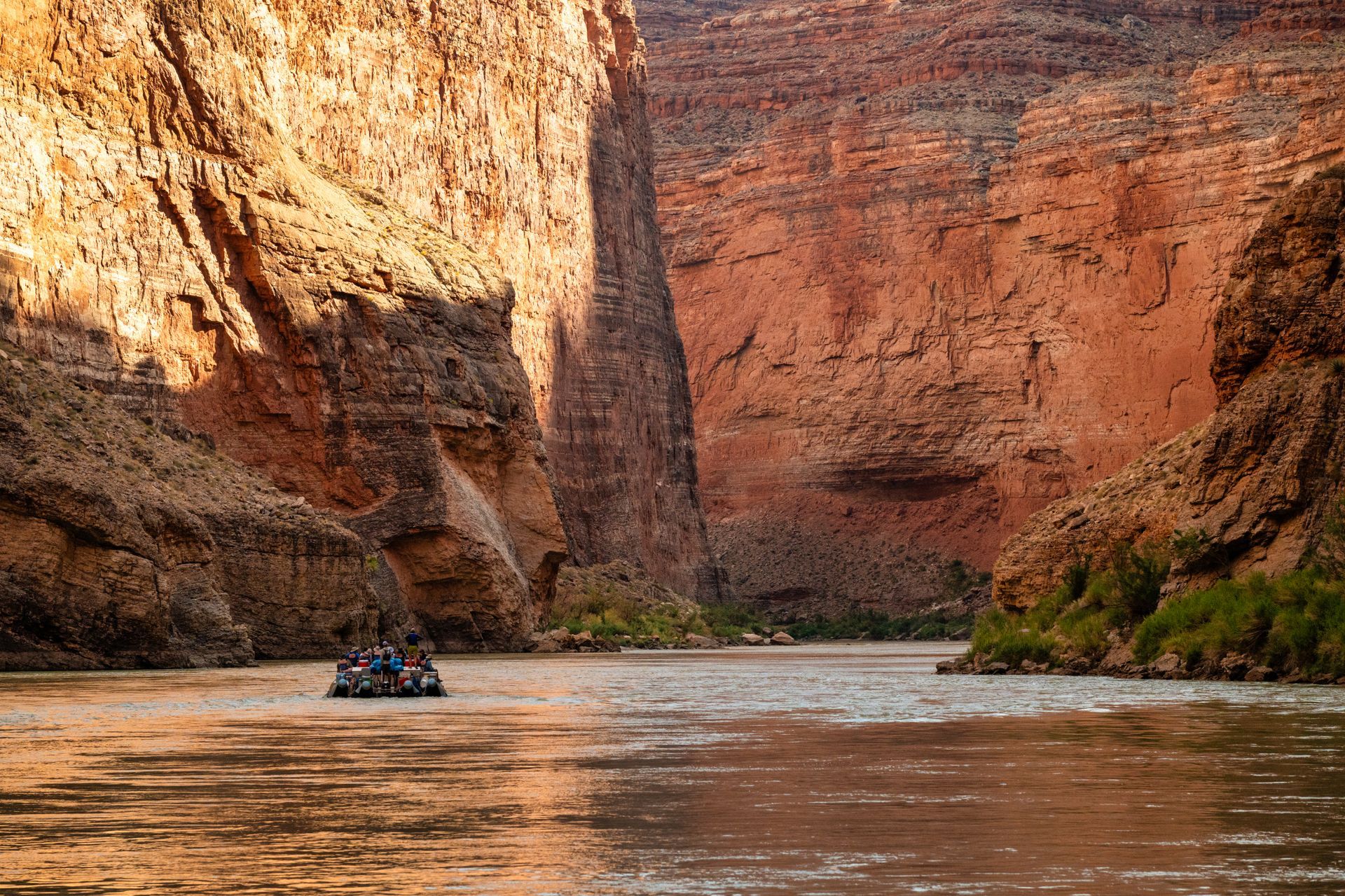
June is when the canyon fully settles into summer and average highs reach about
102°F. By July, the heat peaks with average highs around
104°F and warm nights around
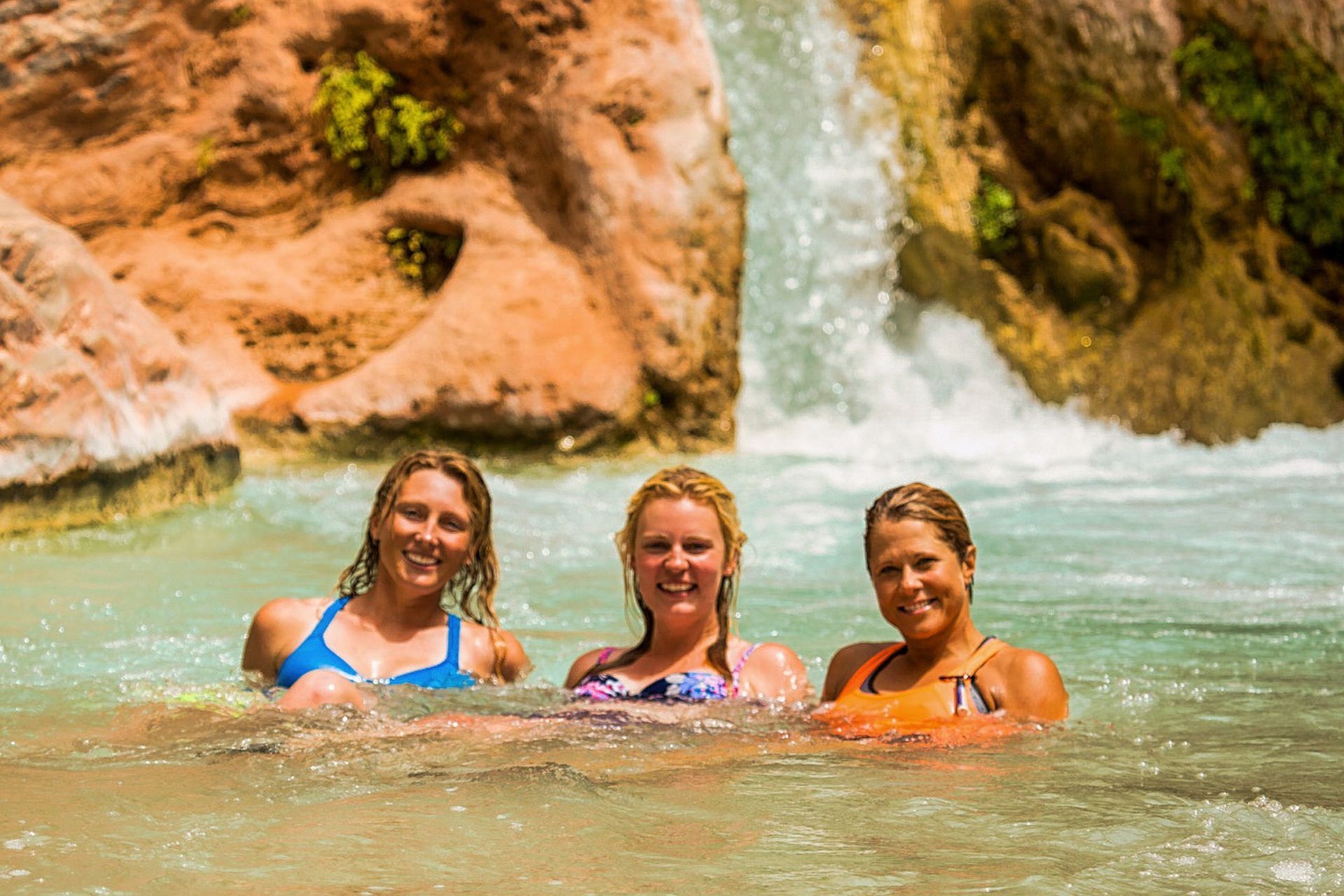
75°F. The cool river water is something you revel in, whether you’re splashing through rapids or cooling off in side streams and waterfalls. It becomes a rhythm guests quickly embrace: hot, cold, and amazing all in the same day.
SUMMER
August
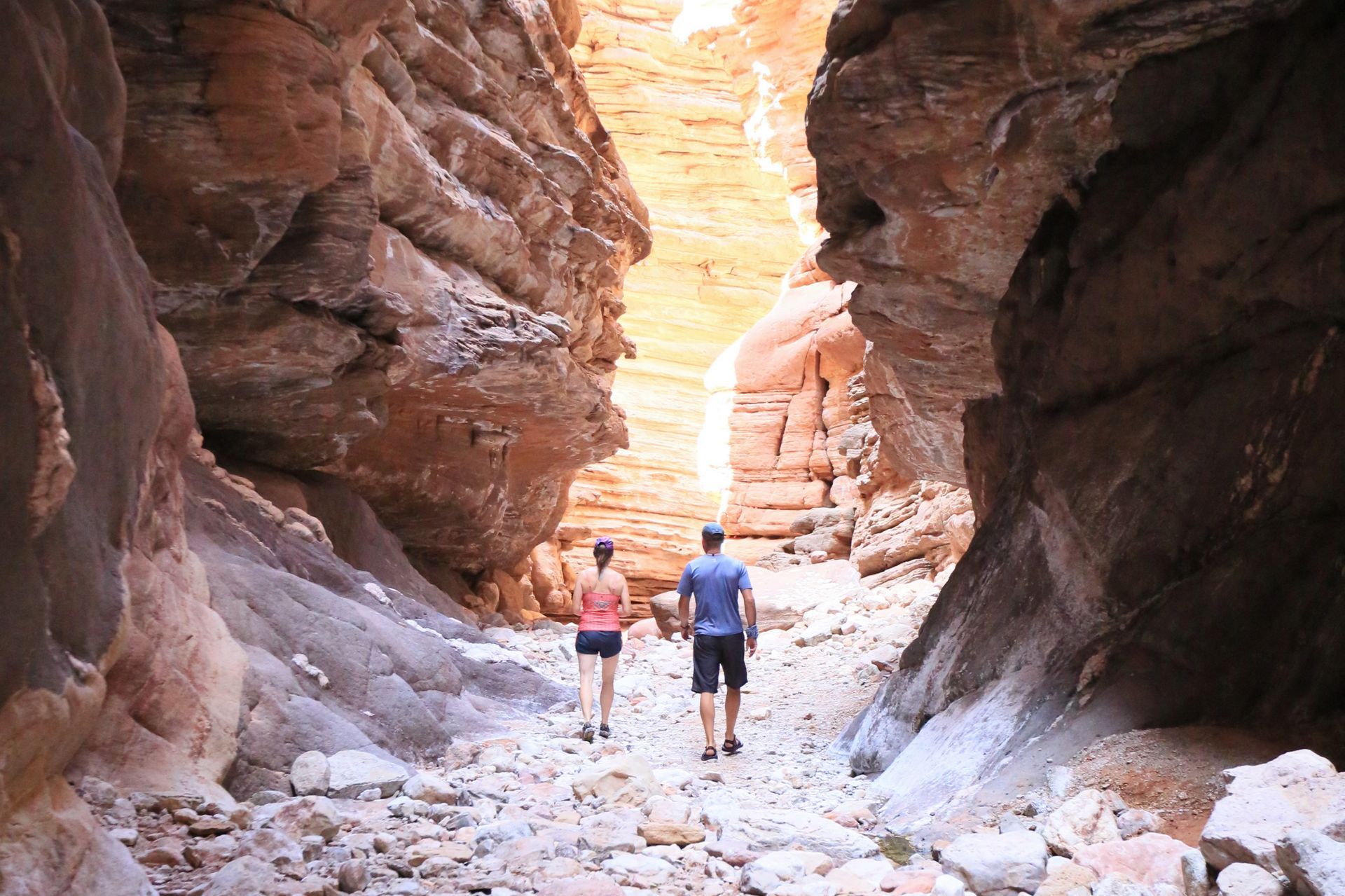
By August, the heat begins to ease slightly, but the canyon adds a new layer of awe. This is the peak of the North American Monsoon, when rain can fall in sudden bursts, and waterfalls appear where dry walls stood just hours before. The combination of lingering heat and dramatic weather is part of what makes August feel so alive, and why it’s the kind of trip people talk about for decades.
FALL
September
September gives us the first glimpse of fall. Average highs settle into the
mid-90s, and monsoon activity begins to taper. The canyon air shifts. Mornings feel sharper. Light comes in at a lower angle through the walls, and the colors in the rock change. It’s a quieter, more reflective time to be on the water, and one many guests come to love.
Colorado River Water Temperature
The Colorado River through the Grand Canyon releases from the base of Glen Canyon Dam, drawing water from the depths of Lake Powell. Water temperature starts around 46-52°F in early spring at Lees Ferry. As the season progresses and solar heating accumulates over miles of open canyon, river water temperatures climb, reaching the mid-to-upper 60s in peak summer, and occasionally approaching 70°F by late August at the downstream end of the full-canyon route. As Lake Powell water levels have declined in recent years, the dam draws from warmer surface water, and peak-season river temperatures have risen. Conditions vary year to year.
Finding Comfort in the Cool Water Temperatures
Raingear tops and bottoms provide added protection from whitewater excitement in the morning on the river. During earlier spring months, many guests like to bring a paddle jacket for added comfort.
Grand Canyon Monsoons and Flash Floods: What Rafters Need to Know
A flash flood in one tributary does not mean the entire Colorado River is flooding.
Local flooding can still affect a particular hike, stop, camp, access point, or nearby portion of an itinerary.
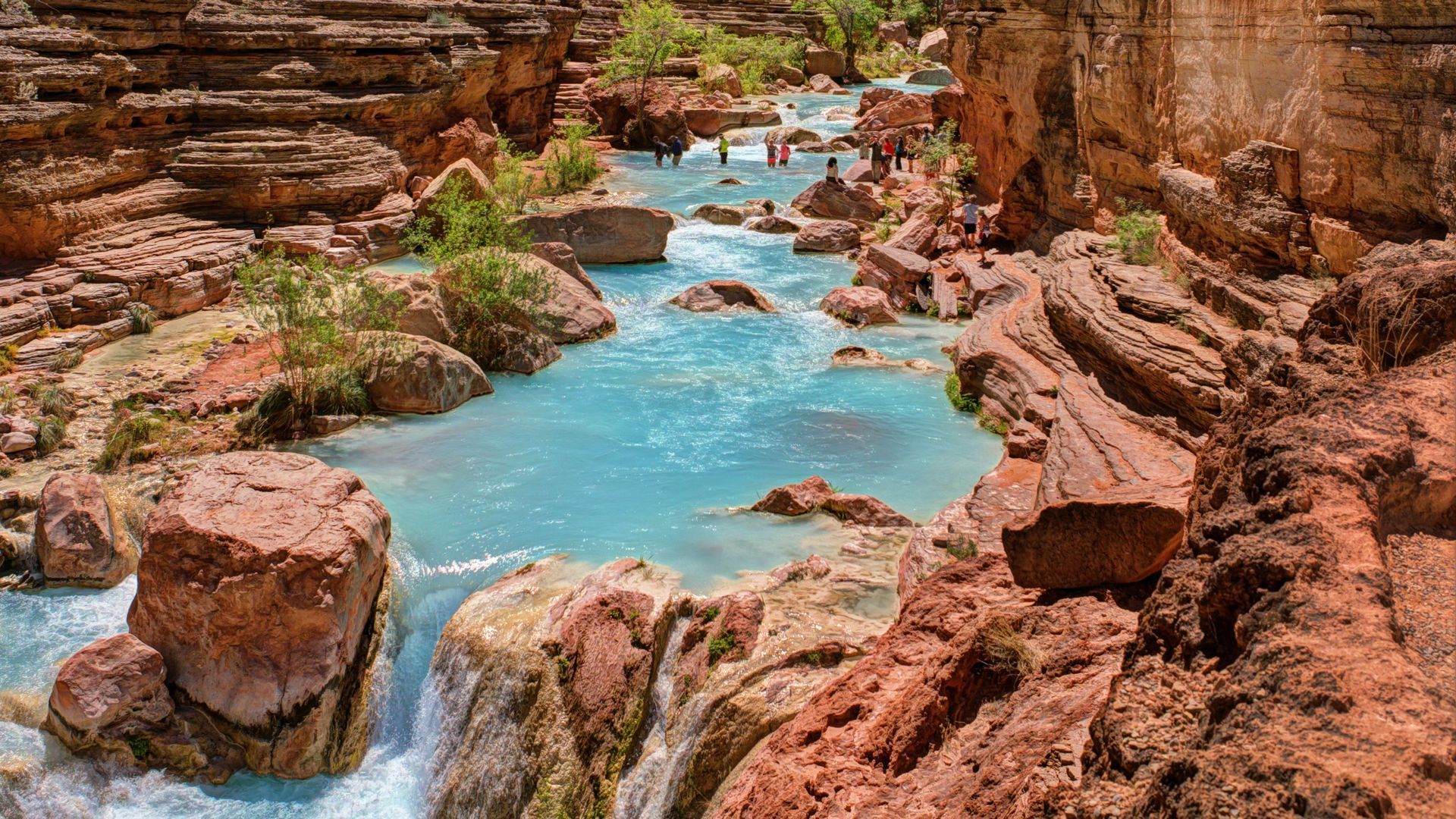
Rain, runoff, flowing water, and erosion helped shape the Grand Canyon—and those forces are still at work today. A monsoon may send waterfalls pouring from normally dry cliffs, turn a quiet side creek into rushing water, or temporarily change the color of the Colorado River. These events deserve respect, but they are also a normal part of this dynamic landscape and can be remarkable to witness from an appropriate location. With experienced guides making decisions for the conditions, changing weather can become part of the wonder of seeing a living canyon in motion.
How Western Guides Respond
Western guides monitor available weather information and watch conditions throughout each trip. Their training and experience help them recognize changing conditions and make decisions for the specific location.
When necessary, guides may change a hike, camp, stop, or schedule to keep the group away from an affected area.
The Park Service makes the determination about canyon closures in rare catastrophic events.
Plan Your Grand Canyon Adventure
Grand Canyon River Trips
All Grand Canyon trip options with dates and rates.
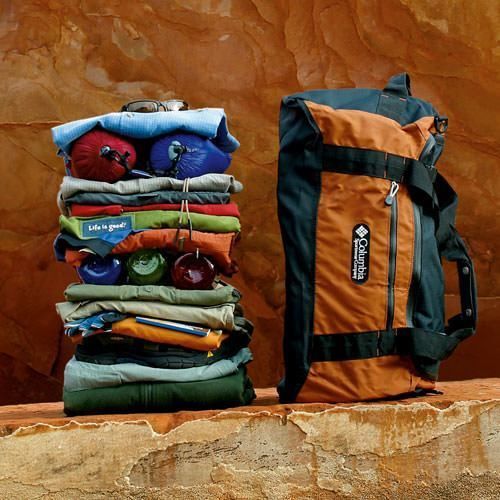
Grand Canyon Packing List
Exactly what to bring and what's provided.
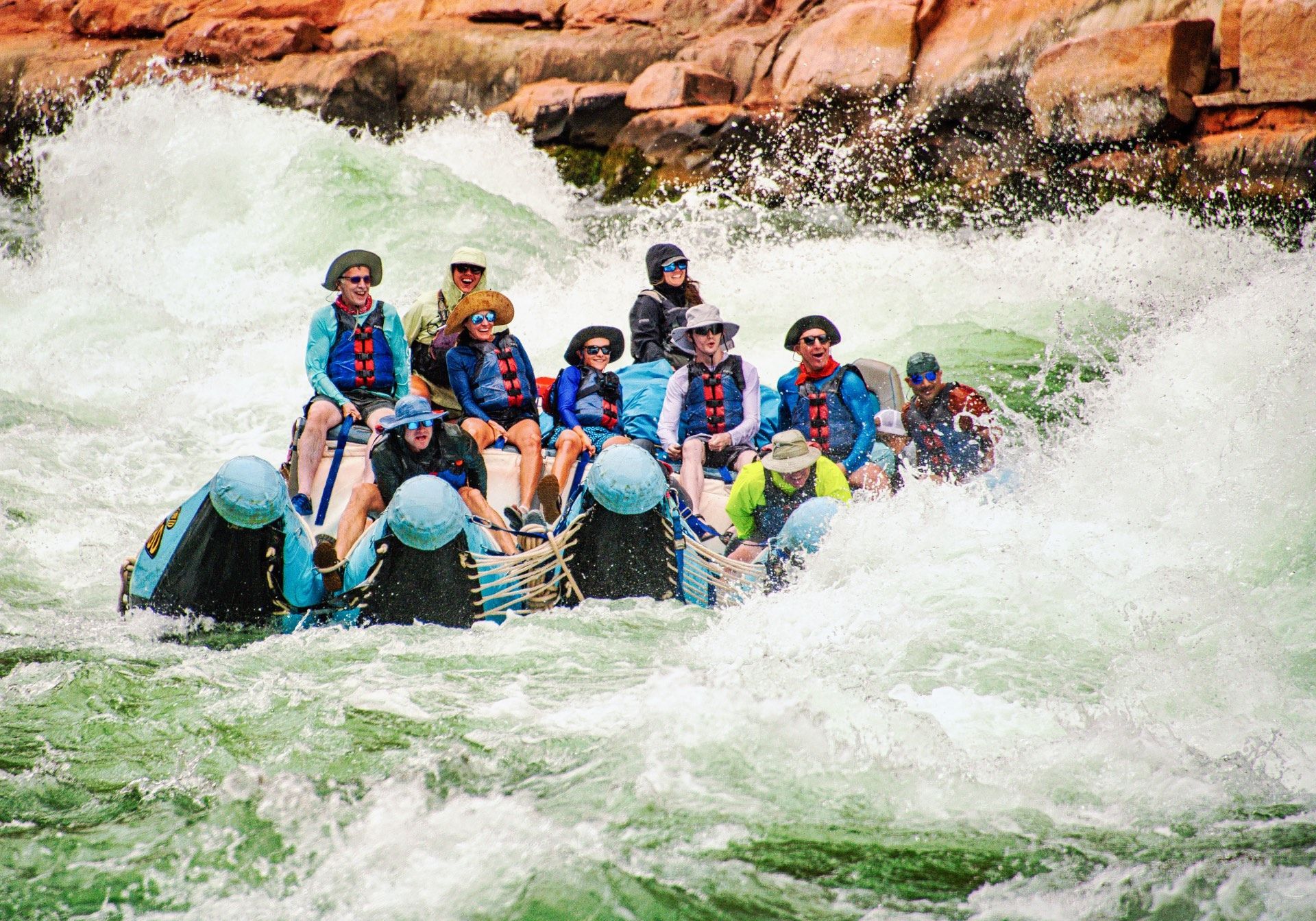
Grand Canyon Rapids
Learn more about the whitewater in Grand Canyon.
Best Time to Go
Find the best time to experience Grand Canyon.
What Guests Say About the Conditions
"River Was a Life Saver to Cool Down"
★★★★★
Middle of July in the Grand Canyon was very hot, as expected. Plenty of fresh water and lemonade were provided. River was a life saver to cool down, often. Can't emphasize enough how hard the staff worked to keep us comfortable.
Timothy S. - Google Review
"Their Experience Made Us Absolutely Safe"
★★★★★
We were on the river during a significant storm. Our second day of the trip was very rainy. The waterfalls were incredible! It was a little scary at times, but the guides' experience and judgement made us all feel absolutely safe.
Annette M. -TripAdvisor
"The Days Were Stunning"
★★★★★
The first two nights were cold — like, really cold — but that quickly became a distant memory as the weather shifted and the vibrant blue skies opened up. The days were stunning, and the nights? Sleeping under a blanket of stars.
Sammy Z. - Google Review

★★★★★
360+ REVIEWS

★★★★★
800+ REVIEWS

★★★★★
1K+ REVIEWS

★★★★★
80+ REVIEWS
Ready to Experience the Canyon?
Seven days exploring 188 miles of the Grand Canyon. Run famous rapids, hike hidden side canyons, camp beneath the stars, and helicopter out of the canyon.
- Begins: Las Vegas
- Best for: Extended Vacation
- Rapids: 60+ Class III-V
- Ages: 12+
Six days in the Grand Canyon. Run Crystal Rapid and Lava Falls, hike hidden side canyons, sleep on beaches no road will ever reach, and helicopter out of the canyon.
- Begins: Las Vegas
- Best for: Rapids & Hiking
- Rapids: 60+ Class III-V
- Ages: 12+
One night at Bar 10 Ranch with horseback riding and cowboy BBQ, then helicopter into the Lower Grand Canyon for three days of whitewater rafting and exploration.
- Begins: Las Vegas
- Best for: River + Ranch
- Rapids: 16 Class II-III
- Ages: 9+
Helicopter into the Lower Grand Canyon for three days of whitewater, hikes, and desert nights. Then continue downstream by jet boat to Pearce Ferry.
- Begins: Las Vegas
- Best for: Shorter trip
- Rapids: 16 Class II-III
- Ages: 9+
Find the perfect Grand Canyon rafting expedition.
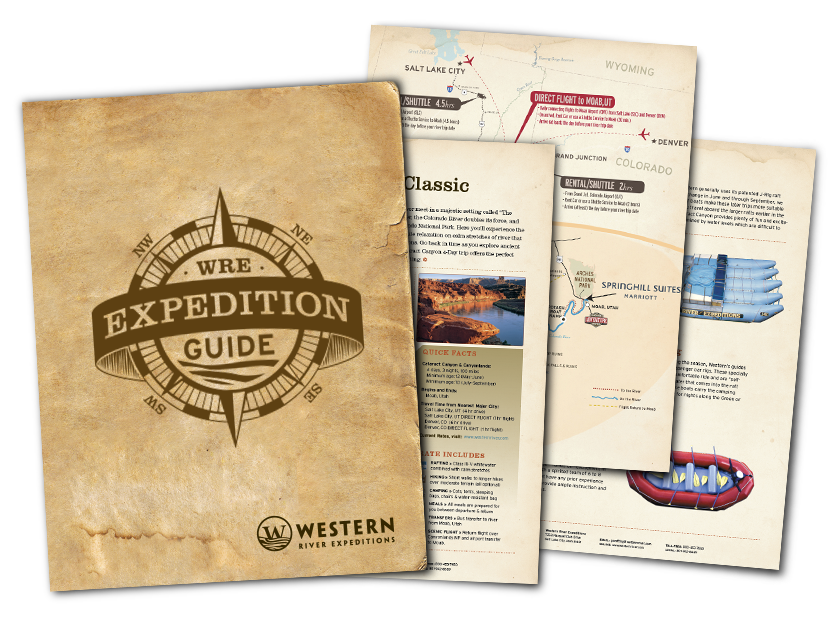
Get river maps, itineraries, camping details, weather, packing lists, travel logistics and more, all in one place. Choose your trip length and we'll send you a PDF with all the details in one place.