CATARACT CANYON, UTAH
Cataract Canyon Rapids
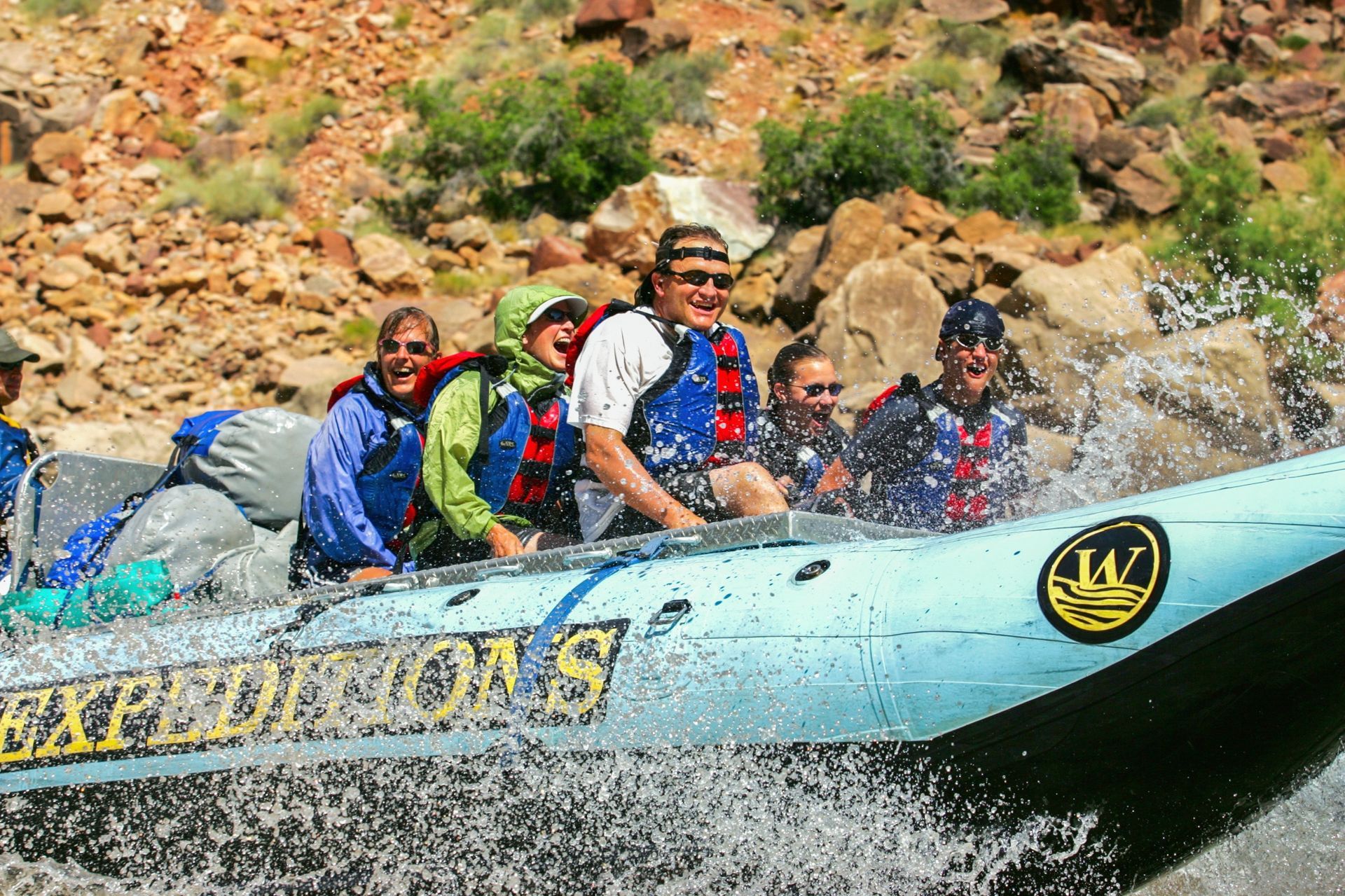
Cataract Canyon holds roughly 30 named rapids rated Class III to V, in the heart of
Canyonlands National Park, Utah. It begins at the Confluence, where the
Green River and
Colorado River meet and double the Colorado's volume, then steepens and builds toward the notorious "Big Drops," three rapids stacked in under a mile that hold Cataract Canyon's biggest whitewater. During higher spring water flow, several rapids in Cataract Canyon can reach Class V on the
whitewater classification scale, even surpassing the size of some
Grand Canyon rapids.
How Cataract Canyon Rapids Are Rated
Cataract Canyon uses the standard International Scale of River Difficulty, the
Class I to V rapid rating system used on most whitewater rivers in the United States. That makes it easy to line up against any river you have run before, so it helps to know where each class sits before you read the rapid descriptions below.
| CLASS | WHAT IT MEANS |
|---|---|
| CLASS I | Easy. Small waves, few obstructions, little risk. |
| CLASS II | Novice. Wide, clear channels and moderate waves. |
| CLASS III | Intermediate. Strong, irregular waves that can swamp an open boat; clear passages that require maneuvering. |
| CLASS IV | Advanced. Powerful, predictable rapids in turbulent water; precise handling required. |
| CLASS V | Expert. Long, violent rapids with large, unavoidable features and powerful currents. |
One note for guests comparing trips: the Grand Canyon, located just below Cataract Canyon, uses a different scale. Cataract, like most rivers, uses the standard Class I to V scale above, whereas Grand Canyon uses a unique 1 to 10 rapid rating scale explained in our Grand Canyon Rapids guide. For a comparison against other rivers, see our rapid classification guide.
The rating on the page is only half the story, because water levels change. Cataract is free-flowing, with no dam upstream to regulate, so the river rises and falls with the snowmelt season. At the high water of May and June, several rapids climb toward Class V and the three Big Drops can begin to feel like one continuous rapid.
As flows drop through summer, the same rapids can take on a completely different personality. Some rapids that may have been washed out at higher levels become more technical or with even bigger waves than earlier in the season. Explore the
best time to raft Cataract Canyon for a month-by-month breakdown.
By the Numbers: Cataract Canyon Rapids
30 Rapids
Approximately 30 named rapids rated Class III to V, concentrated in the whitewater section below the Confluence.
95 Miles
95 total miles, most of it through Canyonlands National Park, opening with about 47 miles of calm water before the rapids start.
3 Big Drops
The Big Drops: three rapids stacked in under a mile, climaxing at Satan's Gut, especially in higher water flows.
Why Cataract Rapids Get So Big
Cataract sits on one of the last major free-flowing stretches of the Colorado, with no upstream dam to even out its flow. Two things make the water this big in Cataract Canyon: The river arrives doubled, carrying the combined volume of the Green River and the Colorado River from the Confluence just above. From there, the canyon floor steepens sharply, dropping the river fast over a riverbed crowded with boulders.
Those boulders make the rapids: over thousands of years, flash floods washed rock from the side canyons onto the riverbed, and where it piles steepest, the water falls hardest. The Big Drops sit at the steepest constriction, which is why three of the canyon's biggest rapids land within a single mile. They are profiled section by section below.
The Major Cataract Canyon Rapids
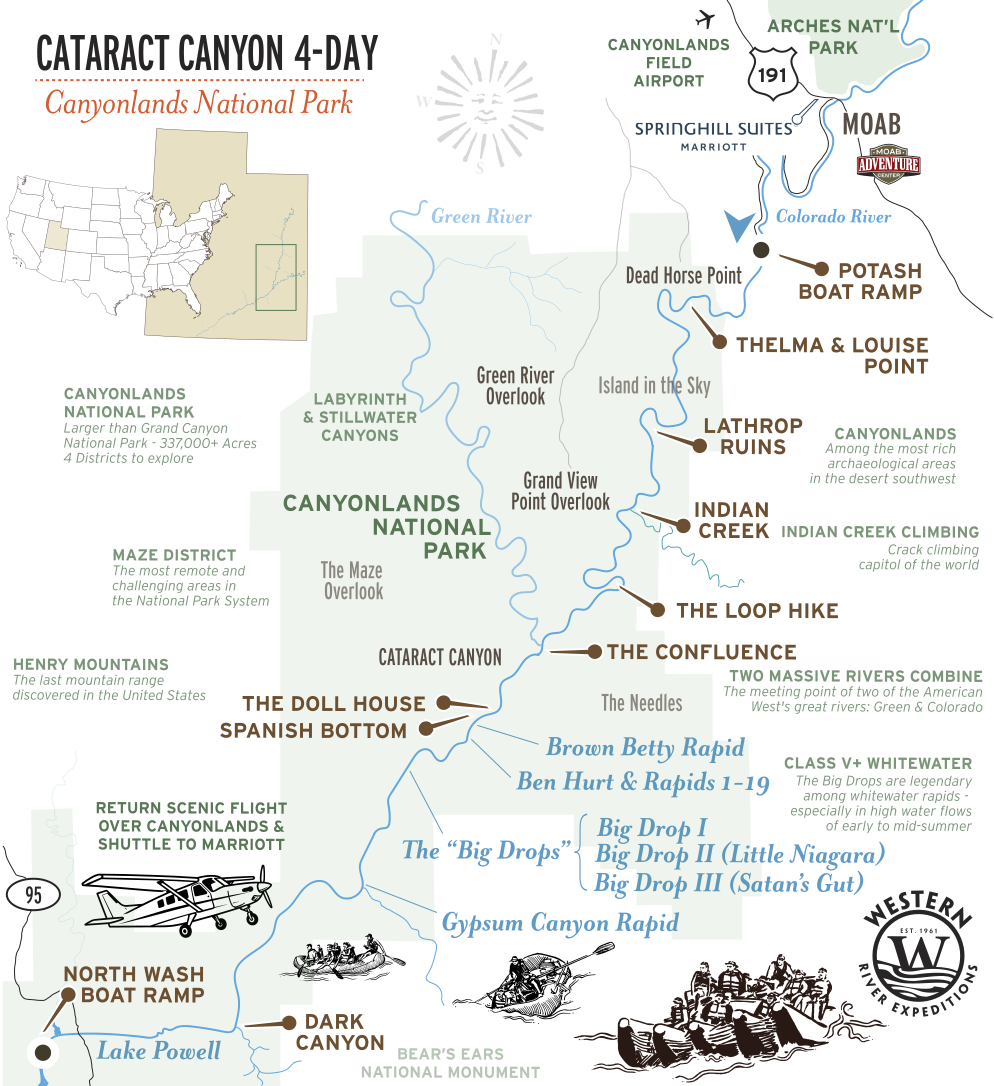
These are the rapids people ask about most, in the order you meet them as you head downstream from the Confluence. You'll experience all of these rapids on both the 2-Day Cataract Canyon Express Trip and the 4-Day Cataract Canyon Classic Trip. Rapid ratings can shift as water levels change, so the rapids range from Class III to V throughout Cataract Canyon's rafting season.
A note about river miles: All river miles in this area are counted up or down from the confluence of the Green and Colorado Rivers. For simplicity in this guide, we will state how many miles each rapid is below the Confluence.
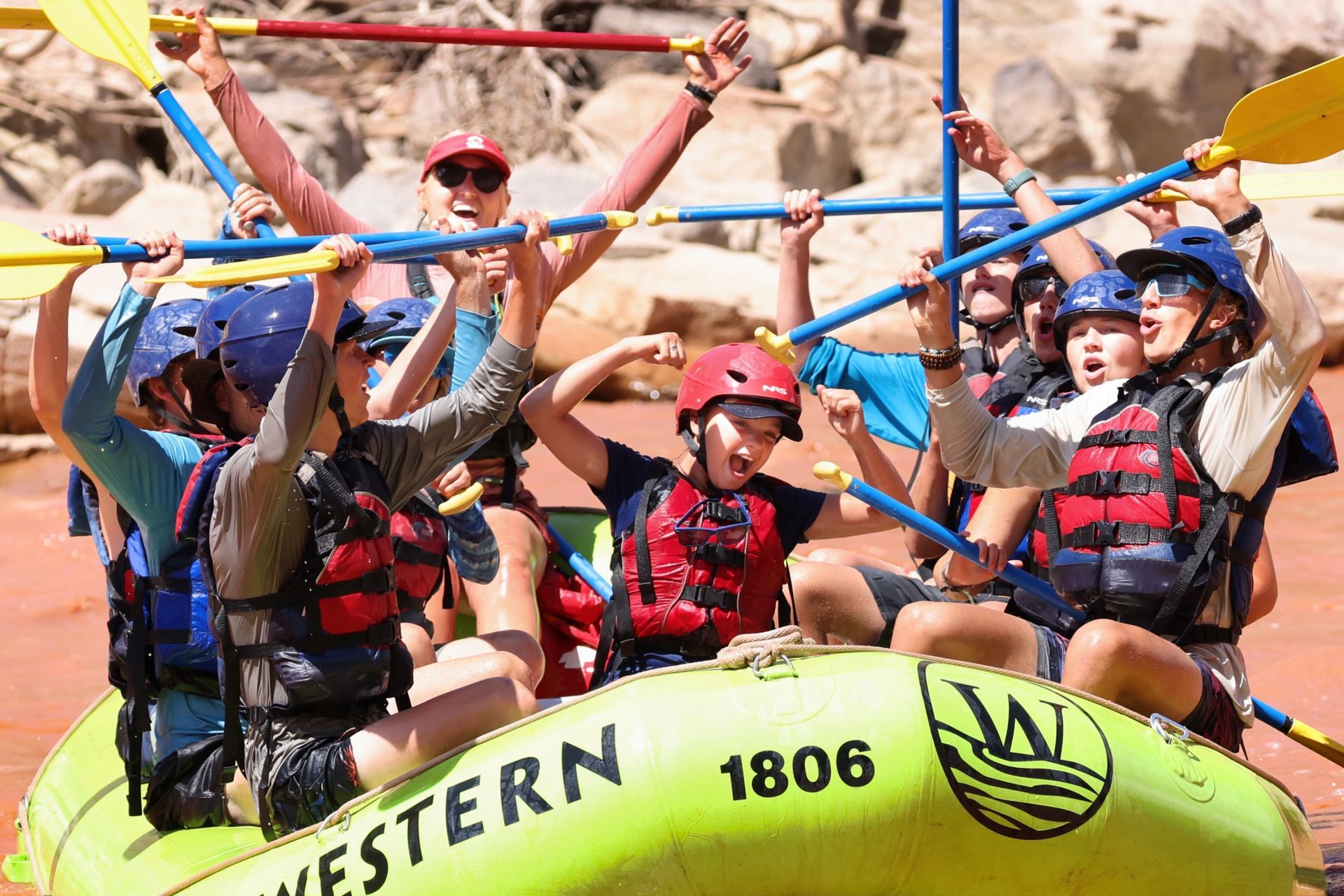
Brown Betty
4.7 MILES BELOW THE CONFLUENCE
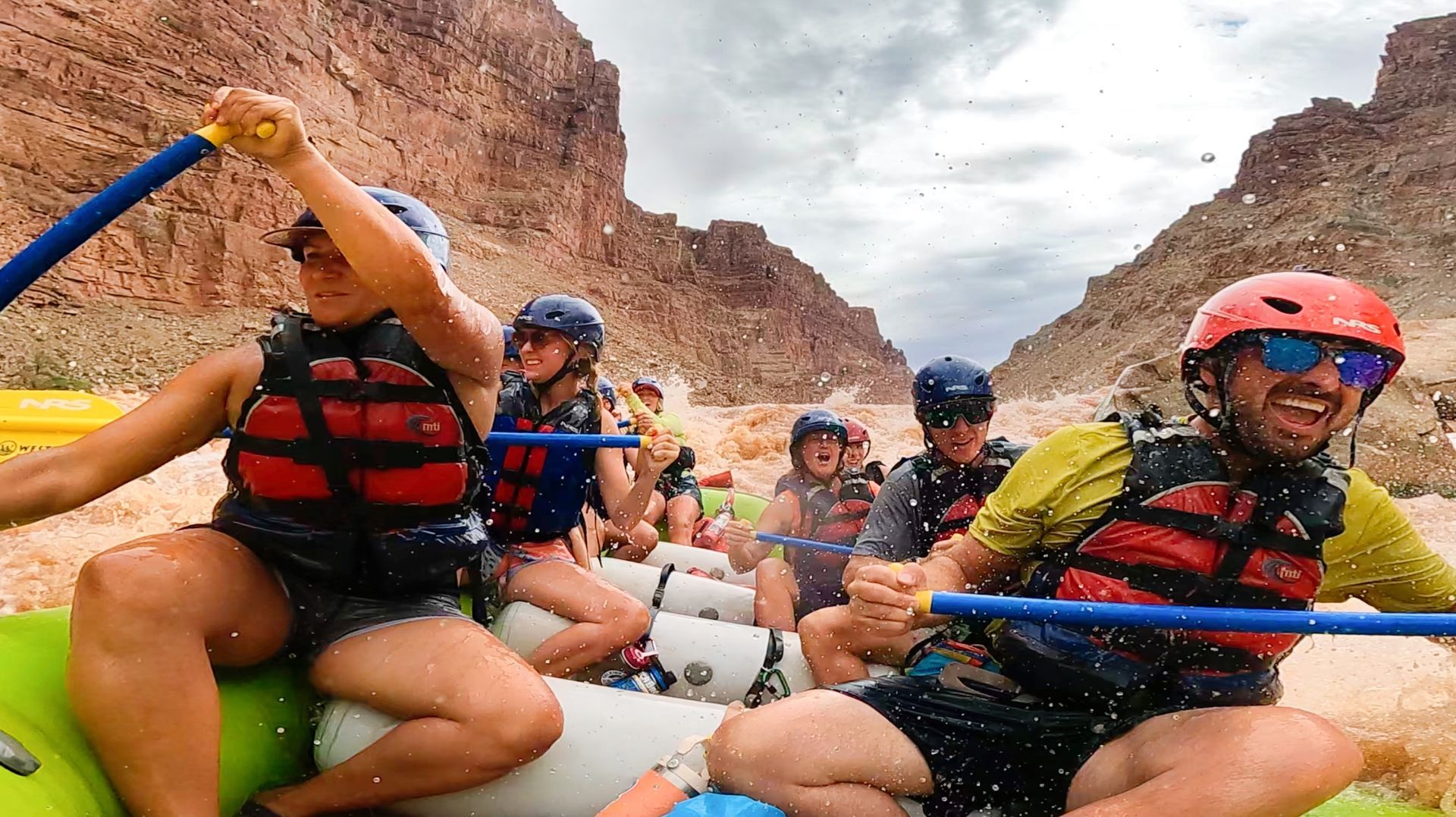
Brown Betty is the first real rapid below the long calm water float that approaches the confluence; the moment the trip changes character. After miles of red-rock calm, the current quickens and the first waves stand up. It is an introduction rather than the main event, but it gets everyone sitting forward and gripping the rope and paddles.
Mile Long Rapids
10.5 MILES BELOW THE CONFLUENCE
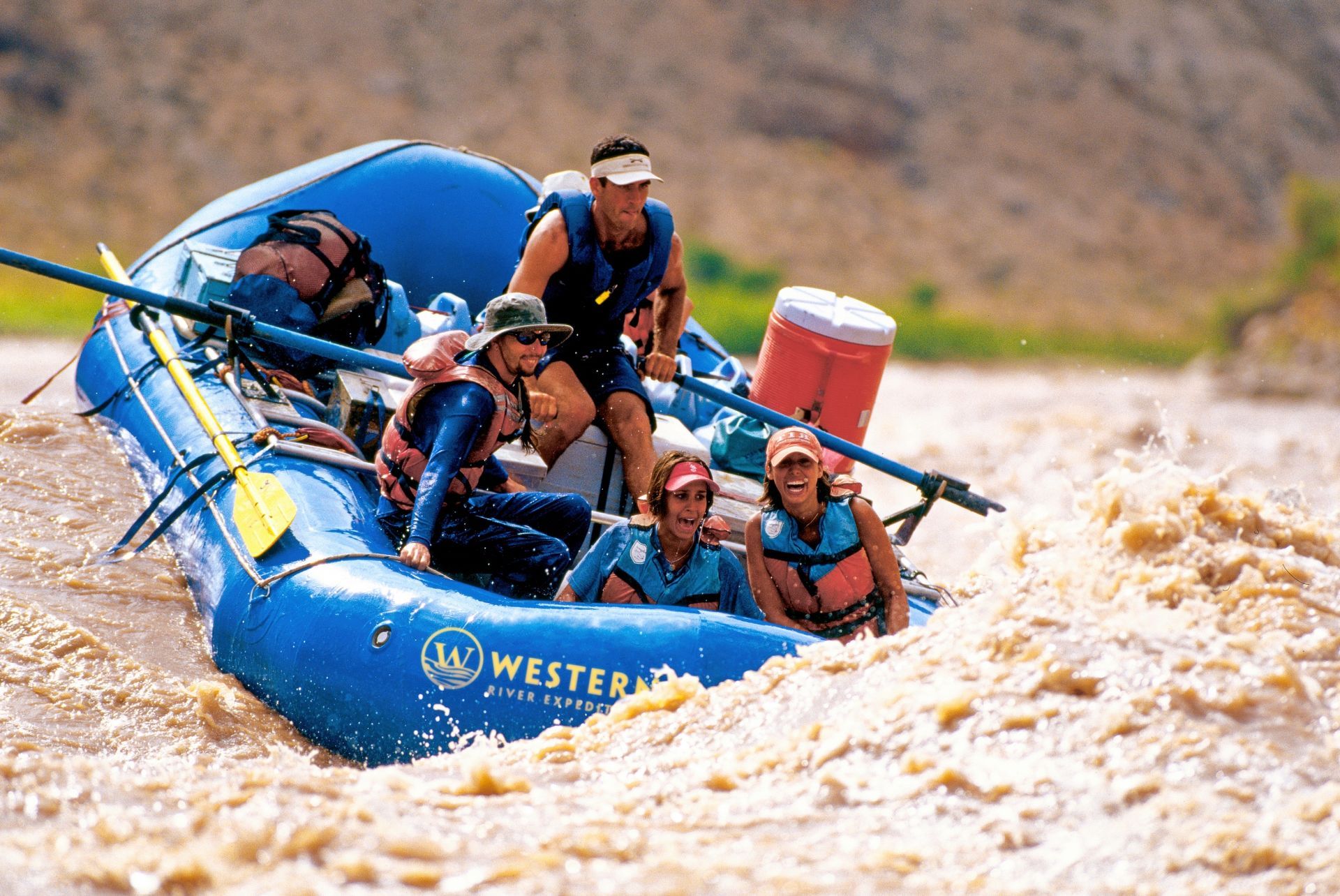
True to the name, this is a long, near-continuous stretch of wave trains rather than one drop, with little flat water between them. The ride is sustained: climb a wave, crest, drop, and rise into the next. It is one of the most purely fun stretches of the canyon, big enough to soak you and forgiving enough to enjoy on the first run.
Capsize Rapid
12 MILES BELOW THE CONFLUENCE
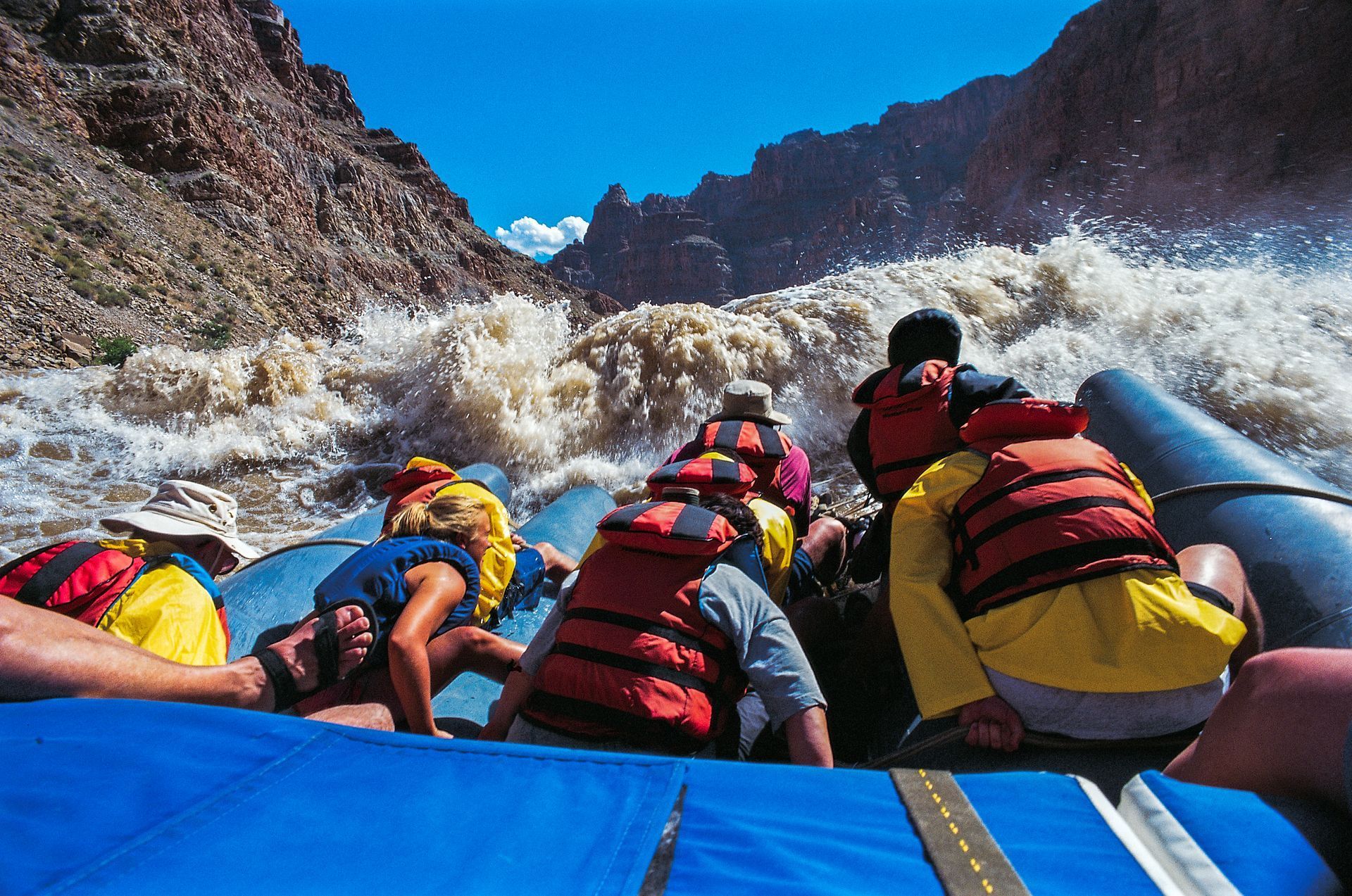
Capsize earns attention by name and reputation. Guides read it carefully on the approach, where the features reward a clean entry line. On a Western River boat the line is set early and the run is over in seconds, but it sets the tone for the bigger water just downstream.
Big Drop 1
ABOUT 14 MILES BELOW THE CONFLUENCE (START OF THE BIG DROPS SEQUENCE)
The Big Drops are the climax of Cataract: three rapids named in order, packed into less than a mile about 14 miles below the Confluence. Big Drop 1 is the opening act, a powerful wave train that sets you up for the two larger drops below. At high water the three blur into one continuous run.
Big Drop 2 and Little Niagara
ABOUT 14 MILES BELOW THE CONFLUENCE
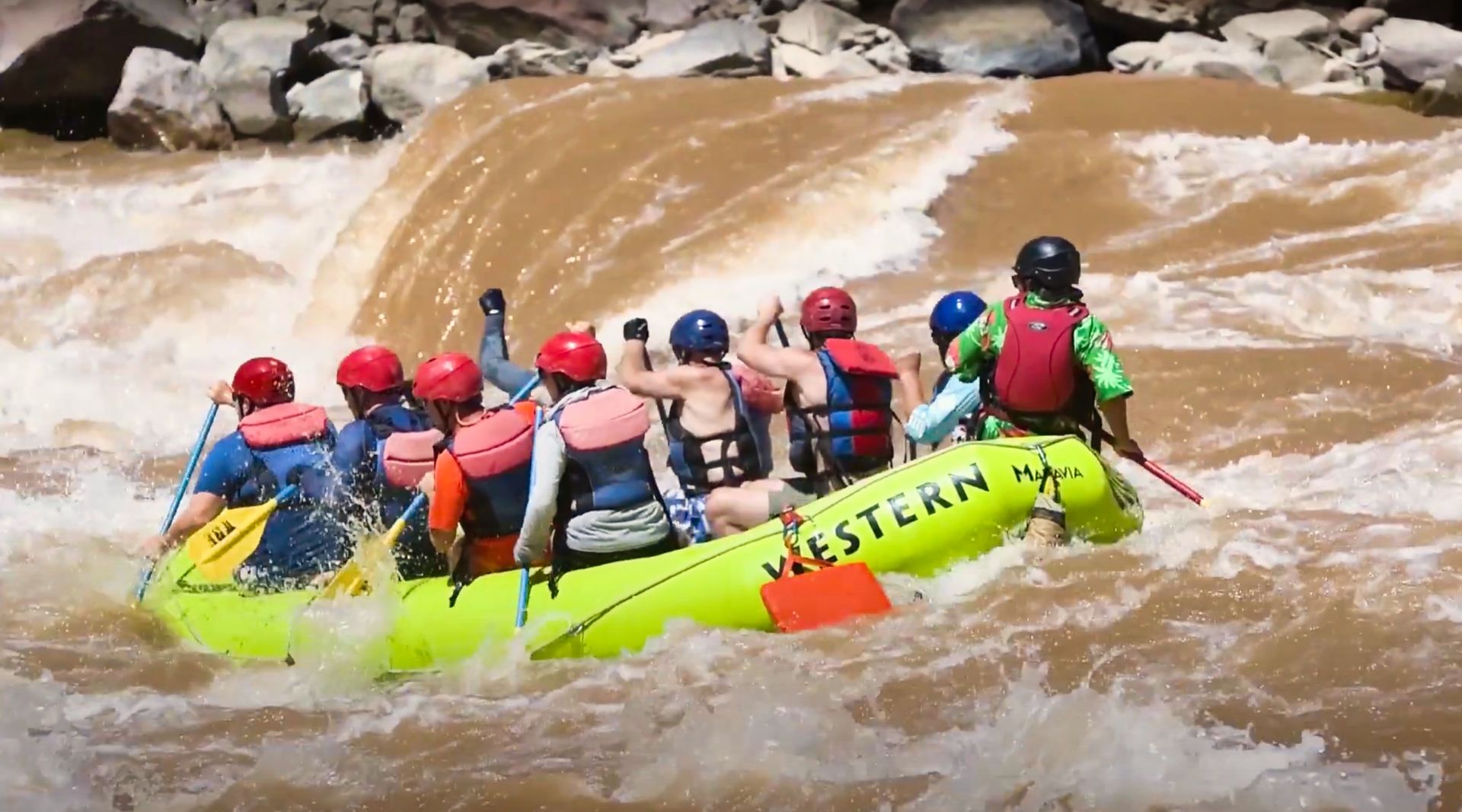
Big Drop 2 holds Little Niagara, a sharp hole or a massive pour over that gives the drop its punch. This is one of the two rapids that demand the most precise line, and at higher flows, it links straight into Big Drop 3 with little room to reset between them.
Big Drop 3 and Satan's Gut
ABOUT 14 MILES BELOW THE CONFLUENCE
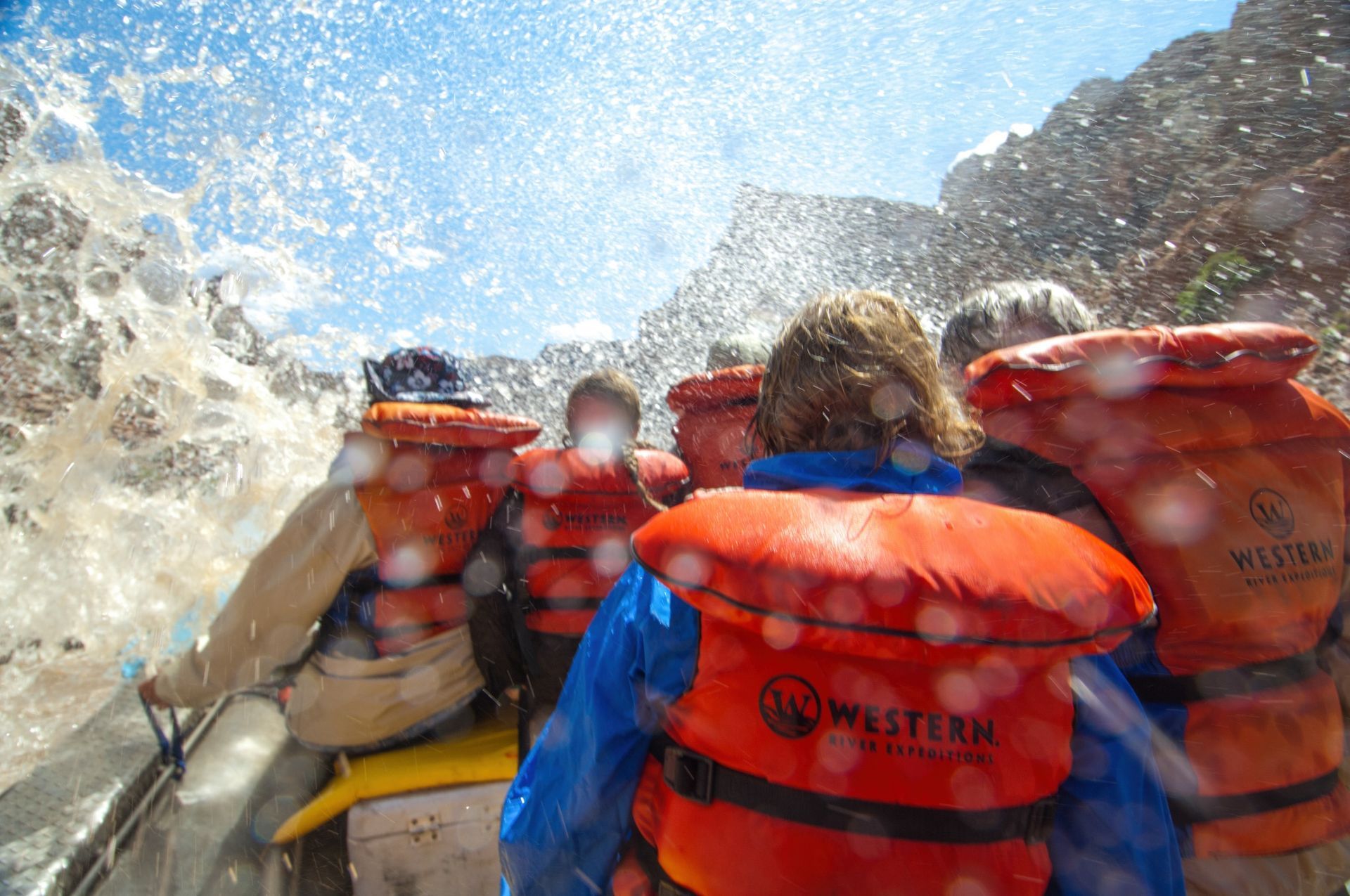
Big Drop 3 holds Satan's Gut, the biggest single rapid on the river, where the main current concentrates and falls hardest. It is the rapid the trip remembers. Guides set the line well above the entry and carry the boat through with momentum. Then the canyon opens and the roar falls behind you.
Imperial Rapid
16 MILES BELOW THE CONFLUENCE
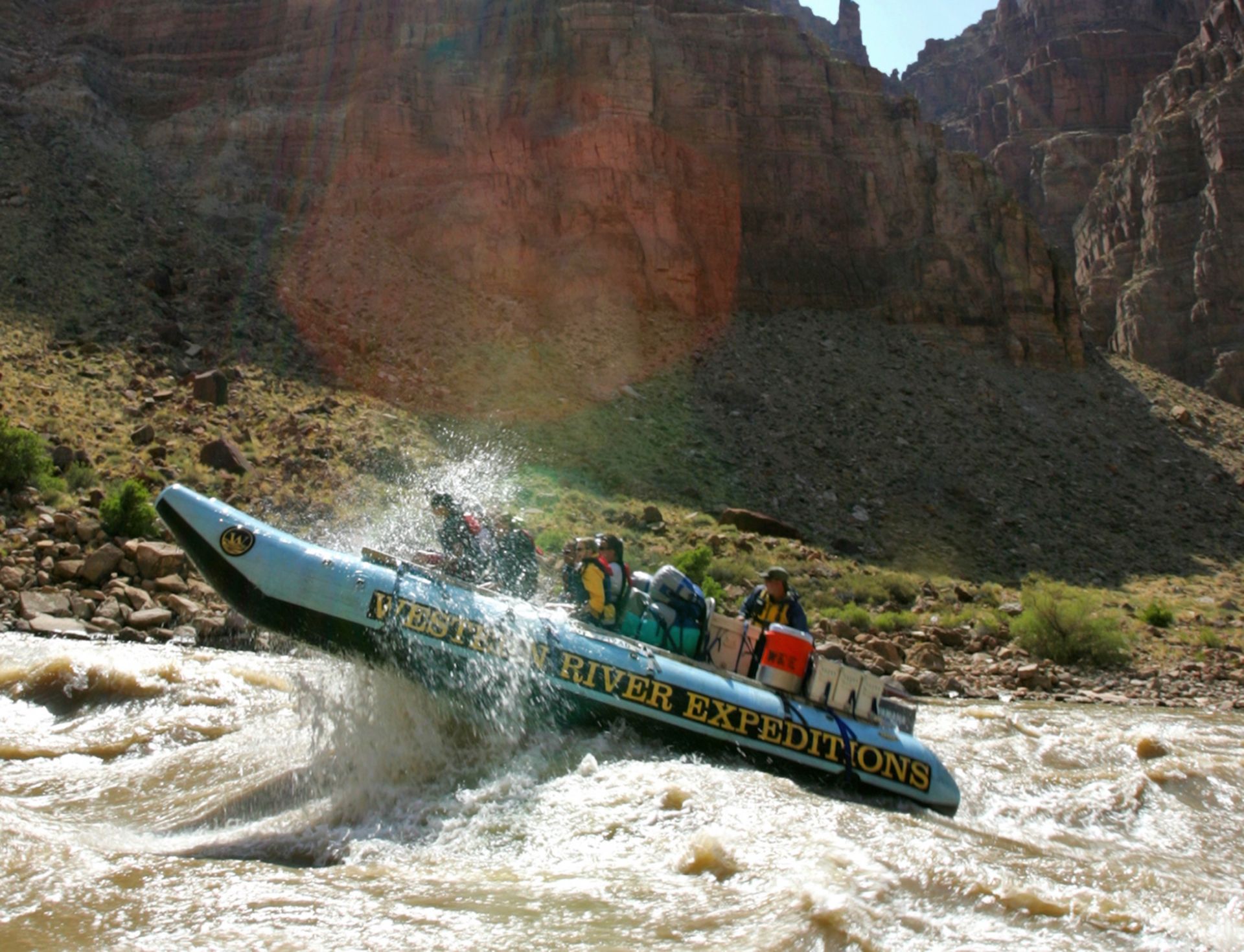
Below the Big Drops, Imperial delivers one more long wave train after a calm lead-in, a final stretch of big water before the canyon eases toward Lake Powell. Less famous than Satan's Gut, but a genuine rapid that reminds you the river is not finished with you yet.
How You'll Experience It: The Right Boat for the Water
The boat you ride in Cataract depends on the trip you choose and the level of the river, because Western River matches the craft to the conditions rather than running one boat for everything.
On the
4-Day Classic, the fleet shifts with the season. At the high water of May and June, the trip runs the
J-Rig, Western River's exclusive motorized raft, a large, stable platform whose mass and length let it settle into the biggest features and carry through them.
As flows drop later in summer, the Classic moves to oar & paddle boats, where a guide works the oars and rows each rapid while you ride the bow with a front-row view of every wave. Higher water rewards the J-Rig's stability; lower water rewards the oar boat's size.
The
2-Day Express runs the
Snout-Rig, a custom high-speed motorized raft built to cover the corridor quickly, at the higher flows of late spring and early summer. On lower-water departures the Express runs an alternate format: a jet boat in, then oar and paddle rafts through the whitewater. Western River confirms the format closer to departure, once the river conditions are known.
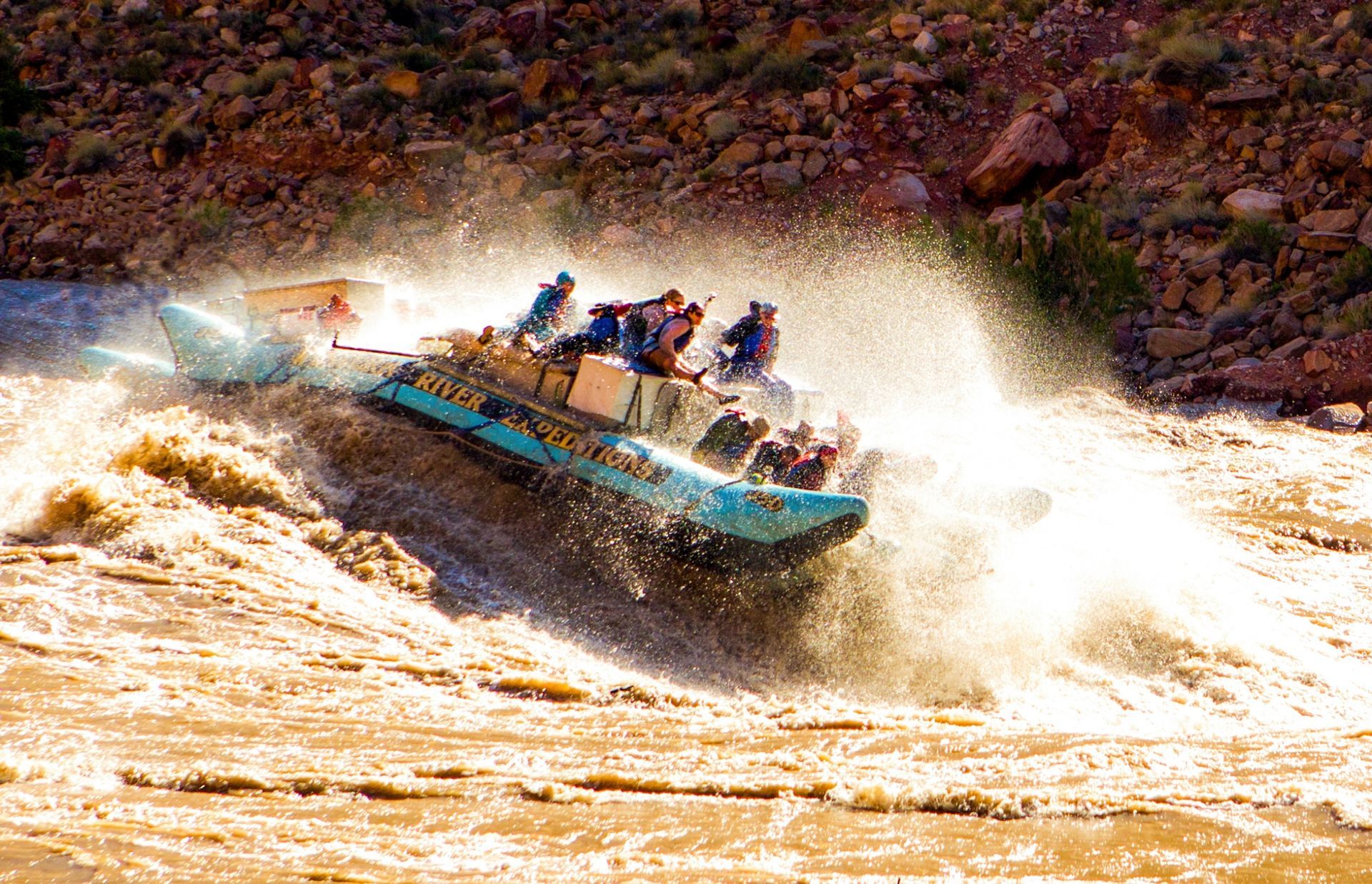
Many guests worry about the whitewater. Guides brief the guests before every major rapid, you wear a Coast Guard-approved life jacket the entire time you are on the water, and every rapid is run by guides who have read this canyon in every kind of flow. If the whitewater is the part that makes you nervous, rest assured that many guests have felt the same way and come through conquering their fears. The guides will prep you for what to expect at every turn.
| TRIP | BOAT | BEST AT |
|---|---|---|
| CLASSIC 4-DAY | J-Rig (motor) or oar & paddle boats | High water (J-Rig) / lower water (oar/paddle) |
| EXPRESS 2-DAY | Snout Rig (motor); jet boat + oar/paddle at low water | Full corridor, fast |
What Happens at Each Rapid
The sequence is consistent across the major rapids, and guides who know it in advance arrive ready rather than surprised. Every Western River guide comes to this canyon with nearly 300 hours of training behind them, including swiftwater-rescue certification and the outfitter's own
"Western Way" program, so the reading and the run you are about to feel are practiced, not improvised.
The Approach
A half mile or so before a big rapid, the guide reads the water ahead. You often hear the rapid before you see it, a building rumble distinct from the moving river behind you.
The Scout
At the Big Drops, guides study the line before committing, especially at higher flows when Big Drop 2 and Big Drop 3 link together with no room to reset between them. This is how a guide confirms where today's line falls in today's water.
The Briefing
Back on the boat, the guide explains their plan for the rapid ahead and what you should do: where to hold, where to put your weight, what the entry will feel like. This is the communication that makes a big rapid feel managed rather than chaotic.
The Run
From entry to exit, the major rapids last a matter of seconds. Cold water hits from above and below, the boat rises and drops and rights itself, and the mass of a fully loaded raft carries through features that would stop a smaller boat. Then it is behind you, the conqueror.
The Calm
Below every major rapid the river slows and broadens. Some guests shout, some sit quietly, and some are already asking how far it is to the next one.
What Guests Say About the Rapids
"It was a dream!"
★★★★★
After lunch we cruised a little bit further before the real fun began. This stretch has 30 or so rapids back-to-back-to-back...and when I say rapids I am not talking about some little rapid that might rock the raft a little. I am talking massive walls of water pelting you in the face! After one rapid there would be another right away. It was a dream!
Gregory R. - TripAdvisor
"I can't say enough good things."
★★★★★
Our recent four-day Cataract Canyon rafting trip had everything: Class IV-V rapids, peaceful floats, hikes, stargazing between canyon walls, morning coffee by the river and desert magic. And the flight back to Moab over Canyonlands NP was a great way to cap off the trip.
Susan - TripAdvisor
"The water was epic level."
★★★★★
The water was epic level, which created an exhilarating experience for all 32 participants on our two J-rig rafts. First time campers and a non-swimmer in our group of five! Every detail from Western River Expeditions was perfect.
VacationBringsJoy - TripAdvisor

★★★★★
360+ REVIEWS

★★★★★
800+ REVIEWS

★★★★★
1K+ REVIEWS

★★★★★
80+ REVIEWS
Adventure with confidence
Frequently Asked Questions
How many rapids are in Cataract Canyon?
Cataract Canyon has approximately 30 named rapids rated Class III to V, concentrated in the whitewater section below the Confluence of the Green and Colorado rivers. The trip begins with about 47 miles of calm, winding through Canyonlands National Park before the first rapid.
What class are the Cataract Canyon rapids?
They range from Class III to Class V on the standard International Scale, depending on water level. At the spring high water of May and June, several reach Class V and the three Big Drops can merge into one continuous run. As summer flows drop, the rapids separate into more distinct, technical drops.
What are the Big Drops?
The Big Drops are three rapids stacked in under a mile, about 14 miles below the Confluence, holding the biggest whitewater in the canyon. They are named in order: Big Drop 1, Big Drop 2 which holds the wave and hole called Little Niagara, and Big Drop 3 which holds Satan's Gut, a nasty rock-strewn churn of whitewater best avoided. In higher water flows it is difficult to avoid, but guides plan their line in Big Drop 2 to do just that.
What is Satan's Gut?
Satan's Gut is the infamous hydraulic that makes up Big Drop 3, widely regarded in high water as the most powerful feature in Cataract Canyon. At many river levels, the Colorado pours into a deep, turbulent hole capable of stopping or flipping boats that enter at the wrong angle. Commercial guides read the river long before reaching it, often setting up their line in Big Drop 2 so they can avoid the strongest part of the hole. At higher water, that line narrows and Satan's Gut becomes one of the defining moments of a Cataract Canyon expedition.
Is Cataract Canyon dangerous?
Cataract holds genuine big water that deserves respect. All guests must wear a Coast Guard-approved life jacket at all times on the water, and guides provide an orientation before you reach the river's whitewater section.
When is the best time to raft Cataract Canyon?
May and June bring the highest water, the biggest rapids, and the chance of Class V, along with cooler water that calls for an extra layer. July through September bring warmer days, warmer water, and rapids that are still genuine but often more relaxed, although some rapids will be larger at lower water levels than at higher flows. Our Cataract Canyon best-time guide breaks down the season month by month.
Do you need experience to raft Cataract Canyon?
No. Both Western River trips are fully guided, and no prior rafting experience is required. Guides handle the boat and the line through every rapid; your job is to hold on, follow the briefing, and enjoy the ride.
Is Cataract Canyon part of the Grand Canyon?
No. They are separate canyons, both carved by the Colorado River but hundreds of miles apart, with Lake Powell between them. Cataract Canyon is in Utah, inside Canyonlands National Park. The Grand Canyon is in Arizona, beginning downstream at Lees Ferry. The two also use different rating systems: Cataract uses the standard Class I to V scale, the Grand Canyon its own 1-to-10 scale.
Still curious to learn more? Contact us.
Choose Your Cataract Canyon Rapids Experience
Raft through Canyonlands National Park, run the legendary Big Drops, and camp beside the Colorado River beneath the stars. Return to Moab on a scenic flight.
- Begins: Moab, Utah
- Best for: Whitewater
- Rapids: 30+ Class III-V
- Ages: 12+ (10+ Jul–Sep)
Raft 95 miles of the Colorado River in two days. Run the legendary Big Drops and sleep beside the river in Canyonlands National Park before a shuttle back to Moab.
- Begins: Moab, Utah
- Best for: Quick Thrills
- Rapids: 30+ Class III-V
- Ages: 12+
Both trips begin and end in Moab, Utah.
Not sure which trip fits your group?
See all Cataract Canyon trips or call us:
(801) 459-3525
Still researching the best Cataract Canyon trip?
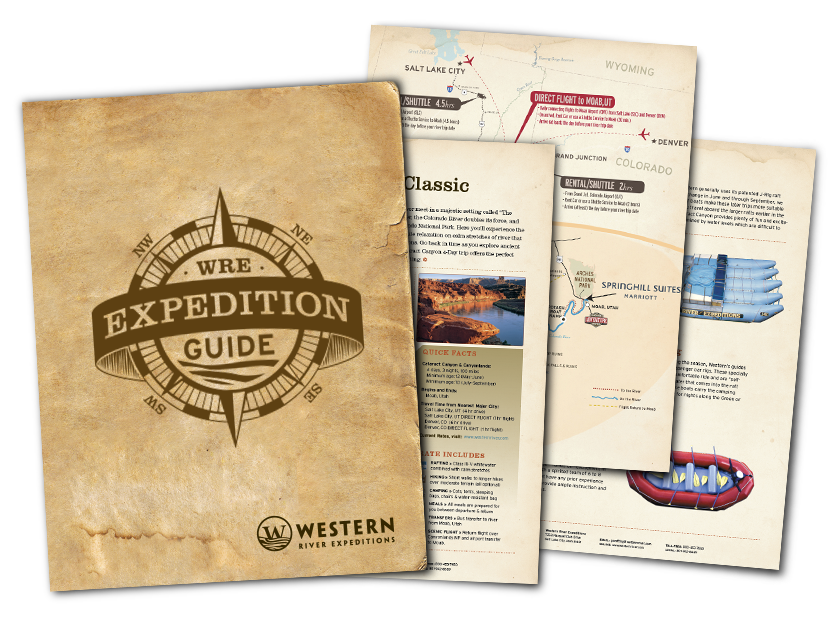
Maps, itineraries, camping details, weather, packing lists, travel logistics and more, all in one place. Choose your destination or trip and get the Expedition Guide that fits.